


The endocrine system serves as the body's long-distance communication network, utilizing chemical messengers known as hormones to regulate everything from metabolism and growth to reproduction and stress responses. Unlike the nervous system, which uses electrical impulses for rapid, localized signaling, the endocrine system releases hormones into the bloodstream to affect distant target cells. However, not every cell in the body will respond to every hormone; a cell only reacts if it possesses matching, highly specific receptors designed to "catch" that particular chemical signal.
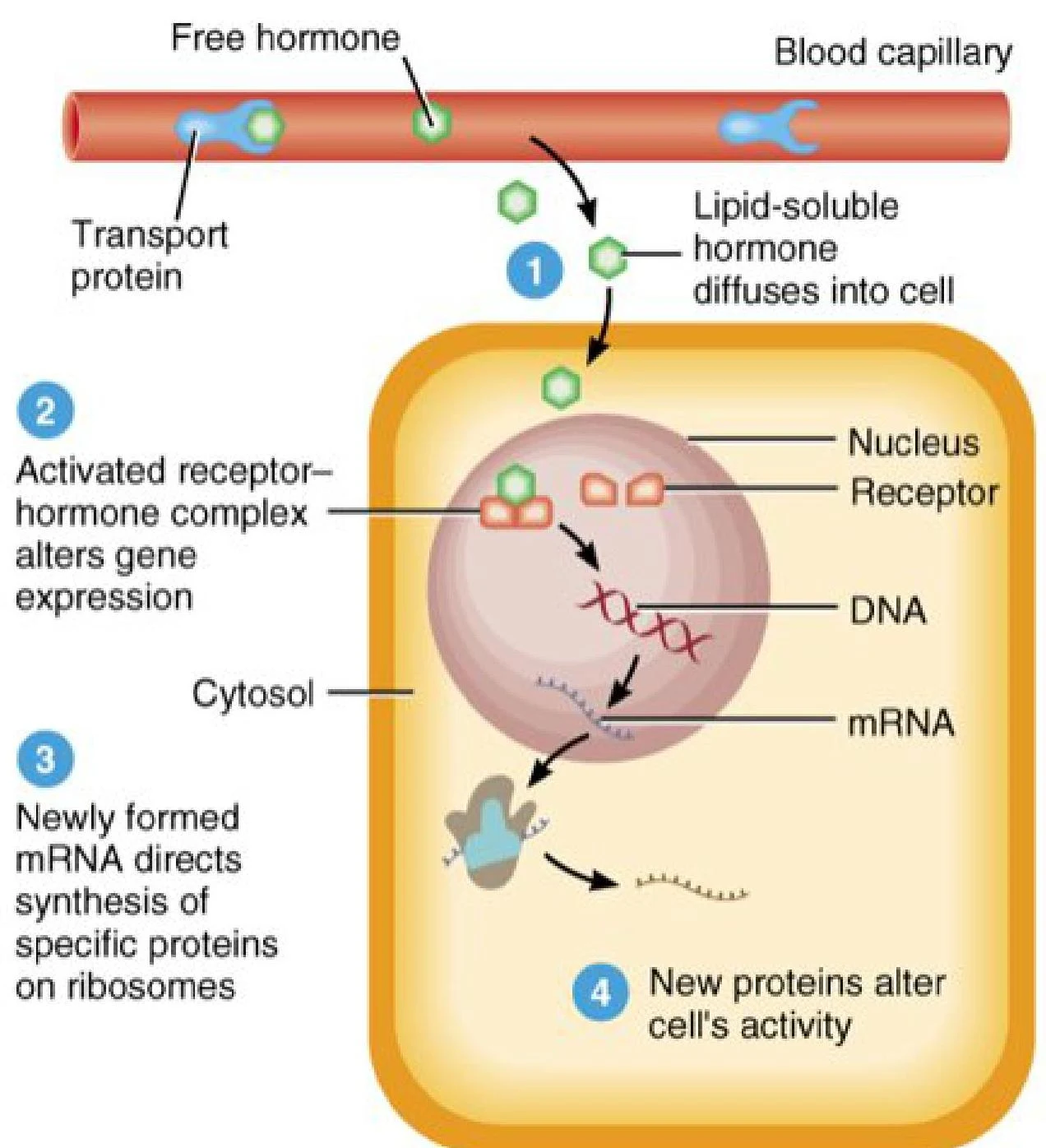
The way a hormone communicates with its target cell is dictated by its chemical nature—specifically, whether it is water-soluble or lipid-soluble. This distinction determines whether the hormone interacts with the cell from the outside or enters the cell to interact with its internal machinery.
Extracellular Receptors: The Second Messenger System
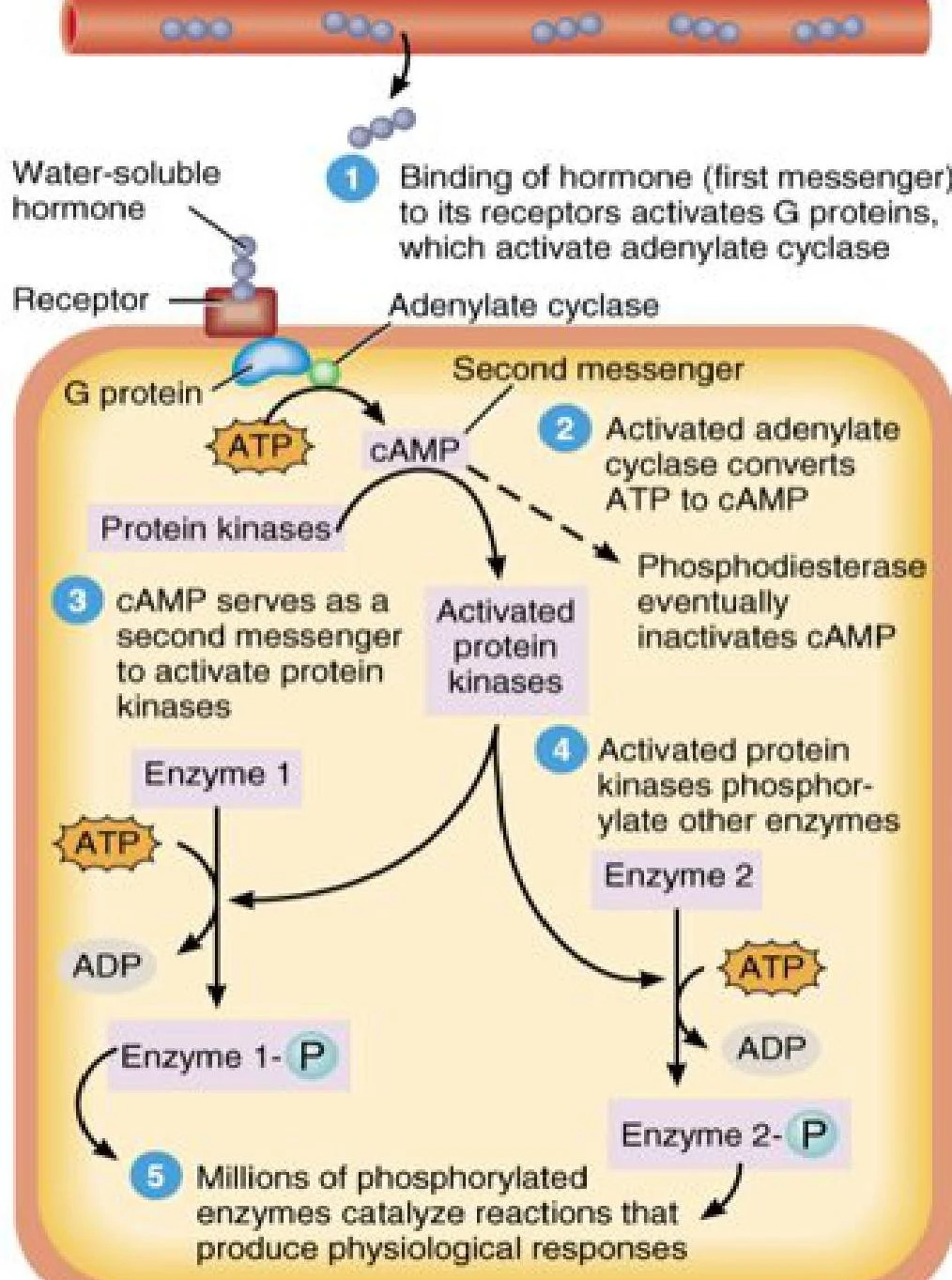
Many hormones are hydrophilic (water-soluble), meaning they dissolve easily in the blood but struggle to pass through the fatty, lipid-rich bilayer of the cell membrane. This category includes peptide/protein hormones (such as insulin and glucagon) and amino acid derivatives (such as epinephrine). Because they cannot enter the cell, they must rely on extracellular receptors located on the outer surface of the plasma membrane.
The process of signaling through these receptors is known as the Second Messenger System:
- The First Messenger: The hormone itself acts as the "first messenger." It travels through the blood and binds to a specific receptor on the cell's surface.
- Signal Transduction: Once the hormone binds, it triggers a conformational change in the receptor that activates an internal protein called a G protein.
- Enzyme Activation: The activated G protein then stimulates an enzyme embedded in the membrane called adenylate cyclase.
- The Second Messenger: Adenylate cyclase catalyzes the conversion of into cyclic AMP (cAMP). Because the hormone remains outside the cell, cAMP acts as the "second messenger," carrying the signal into the cell's interior.
- The Phosphorylation Cascade: cAMP activates protein kinases, which are enzymes that add phosphate groups to other proteins (a process called phosphorylation). This creates a rapid biochemical cascade that amplifies the original signal, allowing a single hormone molecule to trigger the activation of millions of enzymes, resulting in a swift physiological response.
- Termination: To prevent the signal from running indefinitely, an enzyme called phosphodiesterase eventually inactivates cAMP, bringing the response to a halt.
Keep reading for free.
Create an account to finish this reading and make it part of your study routine.
Continue reading freeAlready have an account? Log in
Updated