


In the study of chemistry, understanding how atoms and ions combine to form stable substances is fundamental. While some molecules, like glucose, exist as large, discrete units with specific numbers of atoms, many substances—especially ionic compounds—exist in vast, repeating networks. To describe these substances efficiently, chemists use two distinct types of notation: empirical formulas and formula units. This article explores how to determine the smallest whole-number ratio of ions required to create a neutral compound and why this distinction is vital for chemical accuracy.
Understanding the Empirical Formula
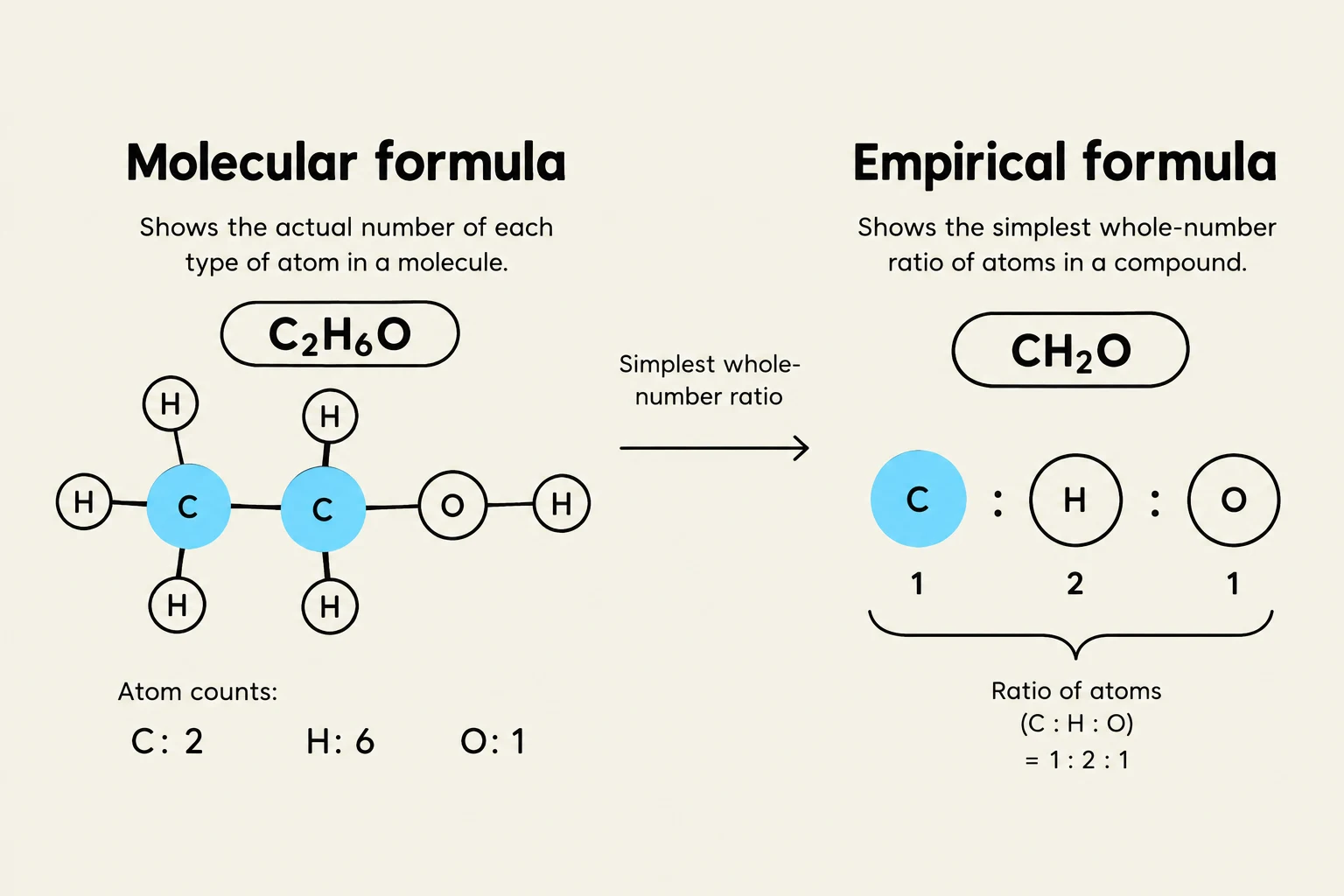
An empirical formula is the simplest representation of a compound. It expresses the lowest whole-number ratio of the elements present in the substance. Unlike a molecular formula, which tells you exactly how many atoms of each element are in a single molecule (e.g., for hydrogen peroxide), the empirical formula only provides the "recipe" or the fundamental ratio (e.g., for hydrogen peroxide).
In many cases, particularly with ionic compounds, the empirical formula is the only way to accurately represent the substance because the particles do not exist as individual, isolated molecules. Instead, they form a continuous lattice of alternating positive and negative ions.
The Concept of the Formula Unit
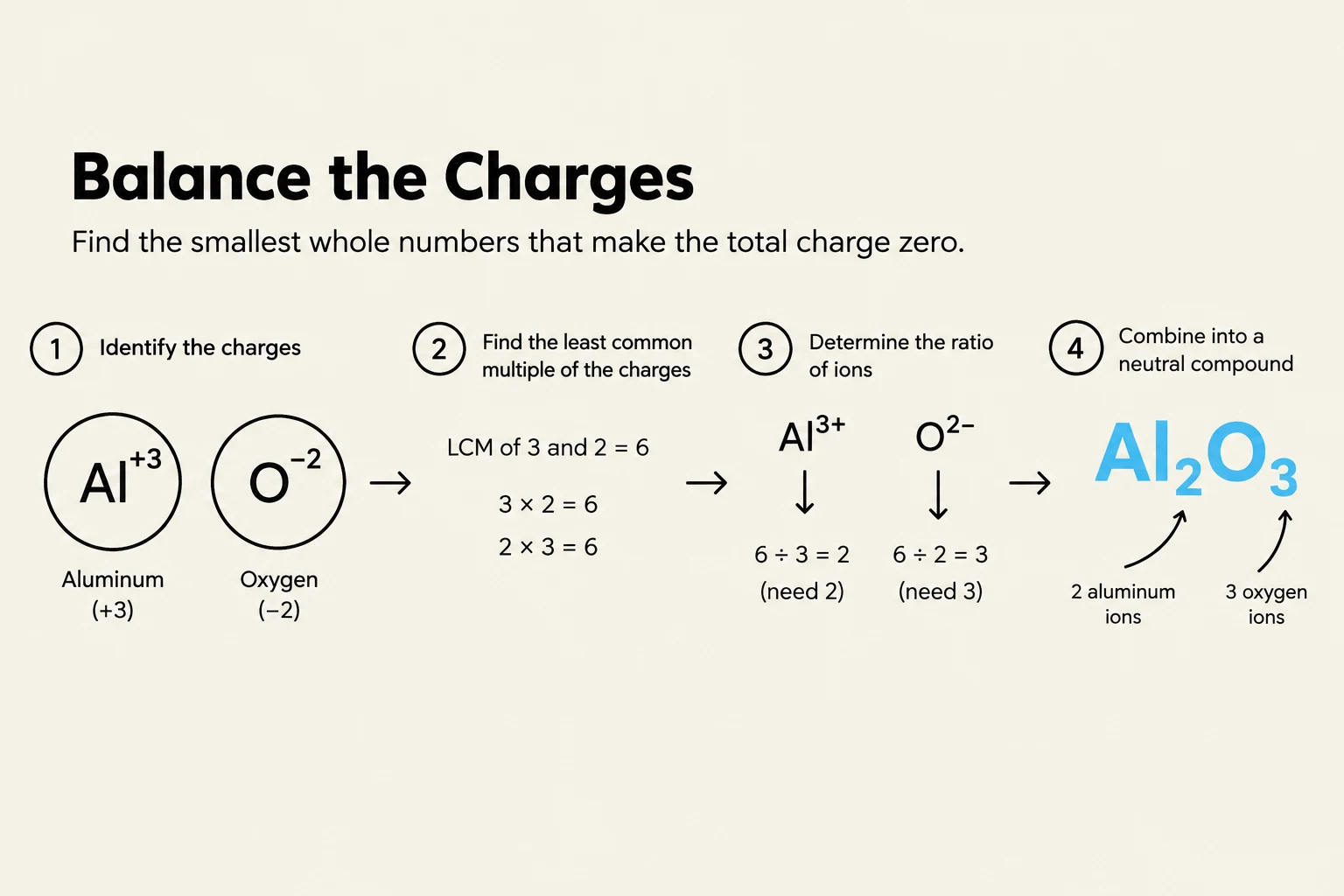
When dealing with ionic compounds, we avoid the term "molecule" because the ions are bonded in a three-dimensional structure rather than a single, contained group. Instead, we refer to the formula unit. A formula unit represents the smallest repeating unit of an ionic compound that maintains the electrical neutrality of the substance.

Keep reading for free.
Create an account to finish this reading and make it part of your study routine.
Continue reading freeAlready have an account? Log in
Updated