


The liver is a central metabolic hub, performing a vast array of essential functions that maintain homeostasis. Because of its complex role in processing nutrients, detoxifying substances, and synthesizing critical proteins, any disruption to its structure or function can lead to systemic, life-threatening consequences. Understanding liver disease requires a dual approach: recognizing the anatomic changes in the tissue and the functional failures that manifest clinically.
Essential Liver Functions
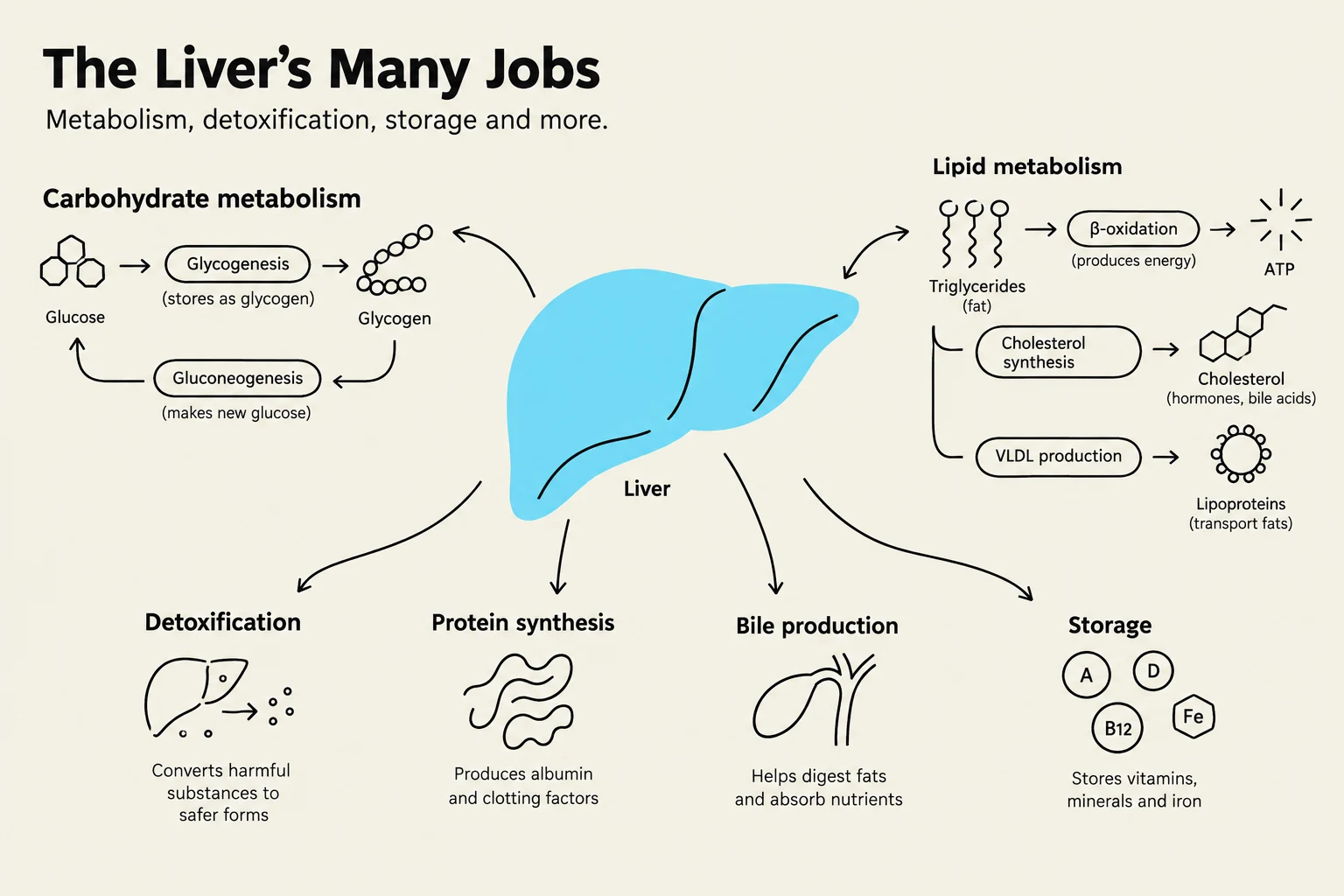
The liver serves as the body's primary chemical processing plant. Its functions can be categorized into several vital metabolic and secretory processes:
- Metabolism: The liver is central to lipid and carbohydrate metabolism, regulating blood glucose levels and processing fats.
- Protein Synthesis: It produces many essential plasma proteins, including albumin and clotting factors.
- Detoxification: The liver metabolizes drugs and toxins, converting them into forms that can be safely excreted.
- Biliary Function: The liver synthesizes and excretes bile acids, which are necessary for the digestion and absorption of dietary fats.
- Bilirubin Processing: It is responsible for the conjugation and excretion of bilirubin, a byproduct of red blood cell breakdown.
Patterns of Liver Injury
When the liver is damaged, the injury can be classified by how it affects the tissue (anatomic patterns) or how it affects the patient's physiology (functional patterns).

Keep reading for free.
Create an account to finish this reading and make it part of your study routine.
Continue reading freeAlready have an account? Log in
Updated