


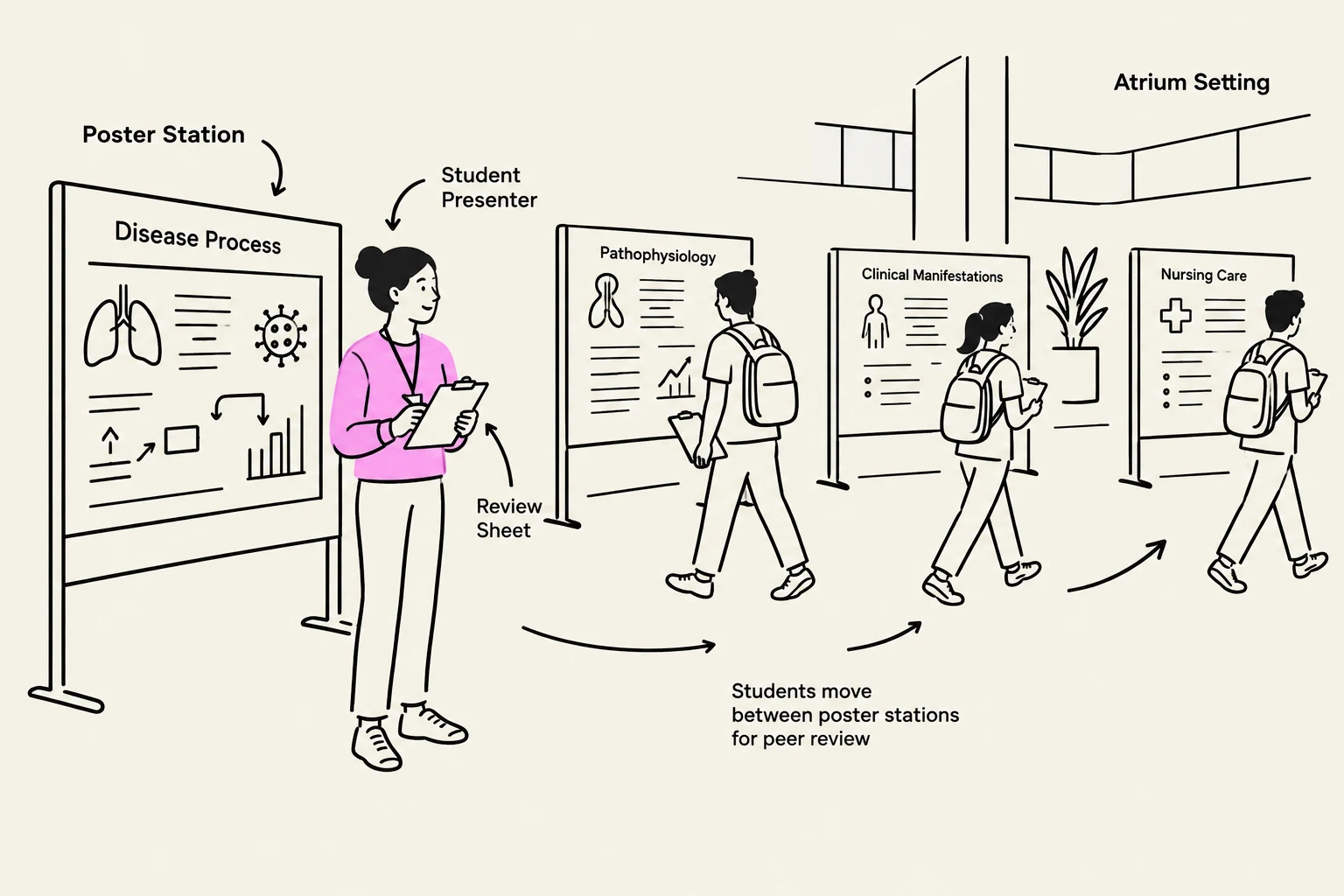
The Disease Process Poster Project is a cumulative assignment designed to integrate knowledge from various nursing courses, including Anatomy & Physiology, Pathophysiology, Fundamentals, and Pharmacology. This project requires students to work in groups of 6 to 7 to create a holistic view of a specific assigned disorder. The final presentation will take place in the atrium during Week 15, where students will present their findings to the instructor and engage with their peers' work.

Core Content Requirements
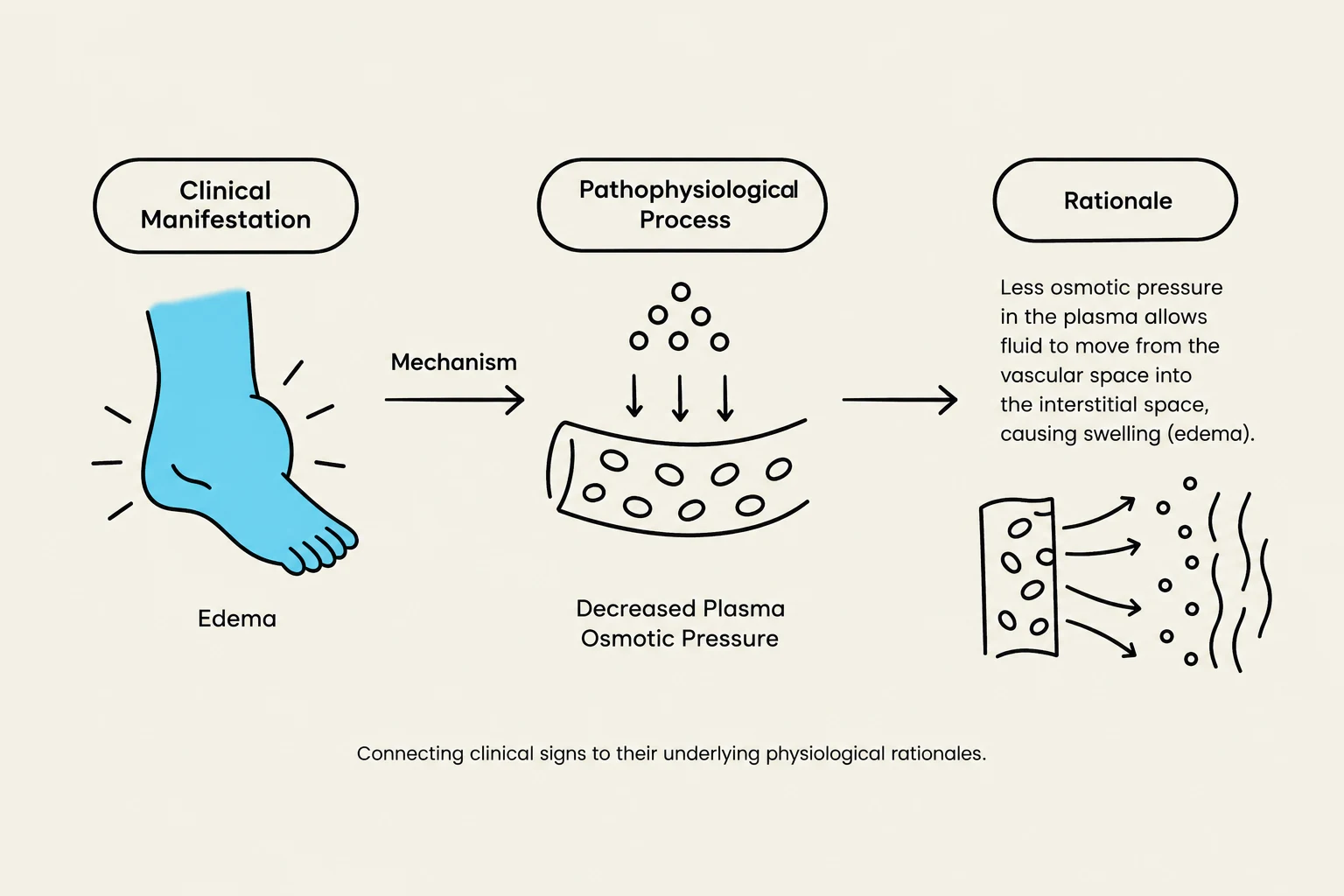
- Normal Physiology: Explain how the body system or organ functions under healthy conditions (e.g., the normal role of the pancreas and insulin).
- Pathophysiology: Describe the disease process and what is occurring at a cellular or systemic level to cause the disorder.
- Clinical Manifestations: Identify the signs and symptoms of the disorder.
- Diagnostic Testing: List the tests used to confirm the diagnosis and explain why they are effective.
- Social Determinants of Health (SDOH): Analyze how social factors might impact an individual living with this specific condition.
- Nursing Assessment & Skills: Detail the hands-on physical assessments (e.g., neurological or skin assessments) and the technical skills (e.g., IV starts or subcutaneous injections) required for safe patient care.
- Pharmacological Interventions: Identify the medications a patient might receive in the hospital or take long-term.
Keep reading for free.
Create an account to finish this reading and make it part of your study routine.
Continue reading freeAlready have an account? Log in
Updated