


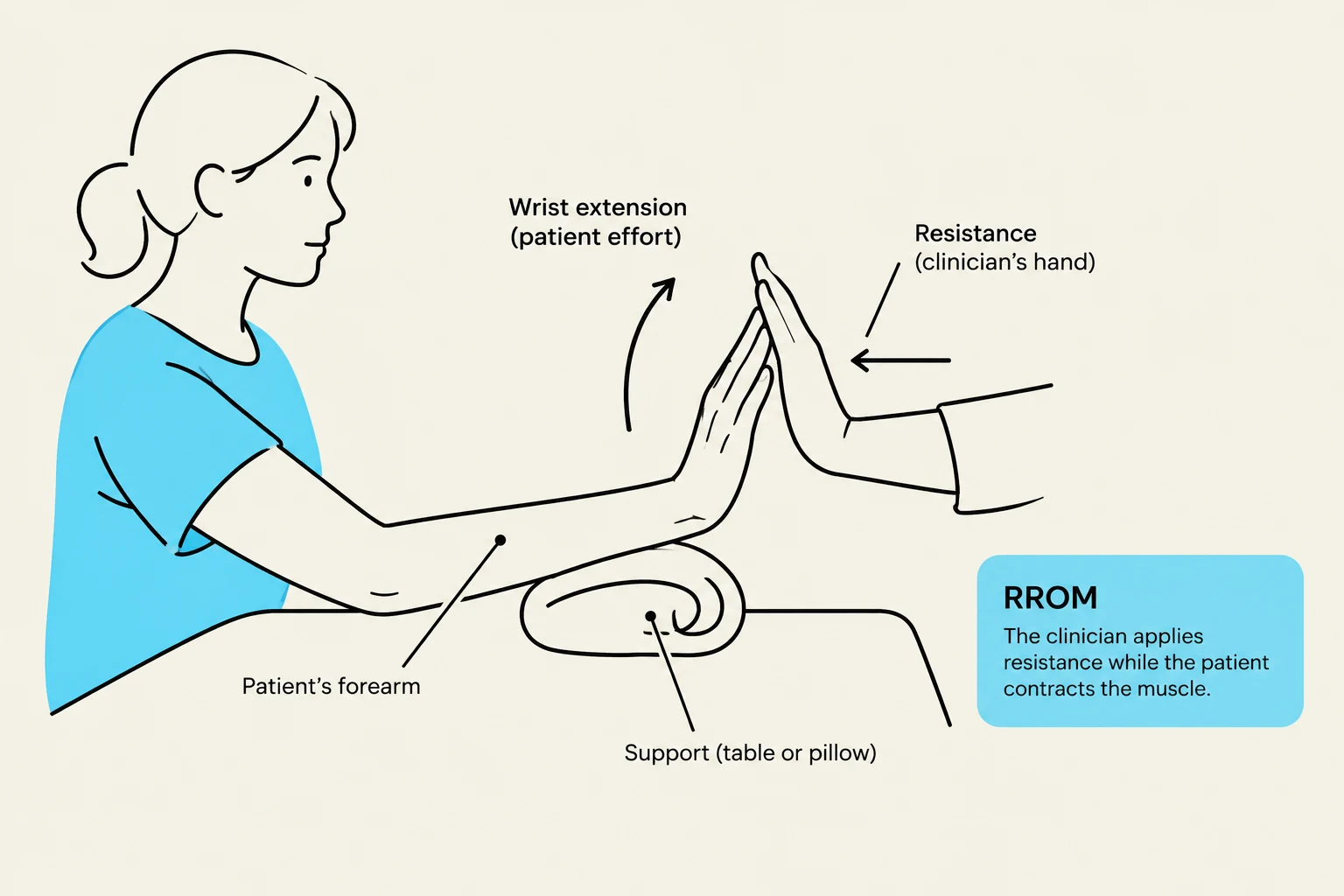
In clinical musculoskeletal assessment, the ability to distinguish between different types of movement is the cornerstone of differential diagnosis. When a patient presents with pain or dysfunction, the clinician's primary goal is to isolate the anatomical structure responsible for the symptom. Is the issue the muscle itself, the joint capsule, or the neurological pathway controlling the movement? By systematically testing Active Range of Motion (AROM), Passive Range of Motion (PROM), and Resisted Range of Motion (RROM), clinicians can create a "map" of the patient's pathology.
Active Range of Motion (AROM)
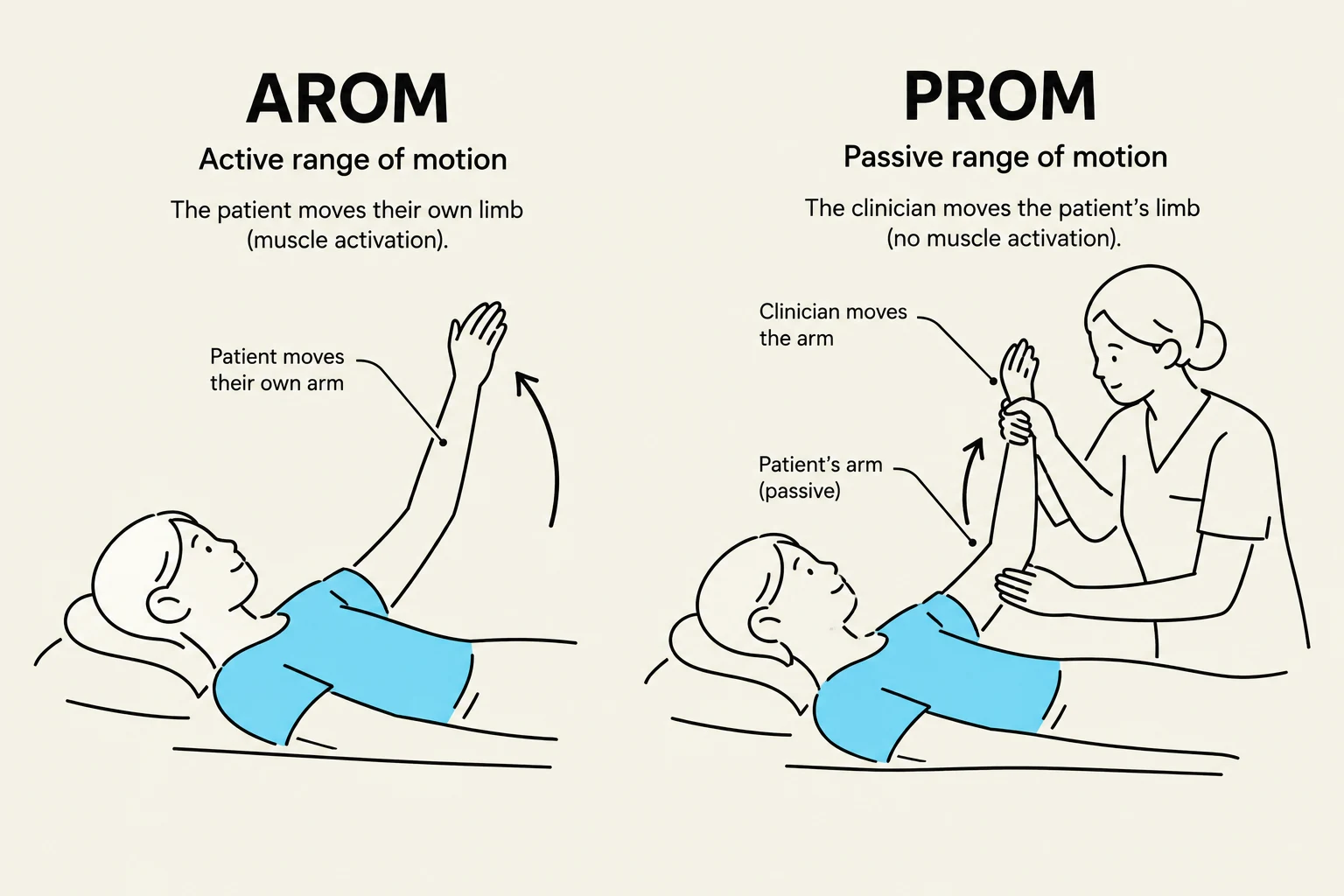
Active Range of Motion refers to movement produced entirely by the patient's own muscular contraction. During AROM testing, the clinician observes the patient as they move a limb through its available range without any external assistance.
AROM is a holistic test because it involves the entire kinetic chain. It requires intact neurological signaling (the brain telling the muscle to move), healthy muscle tissue (the ability to contract), and functional joints (the ability to glide and rotate). If a patient has limited AROM, it could be due to any of these three components.
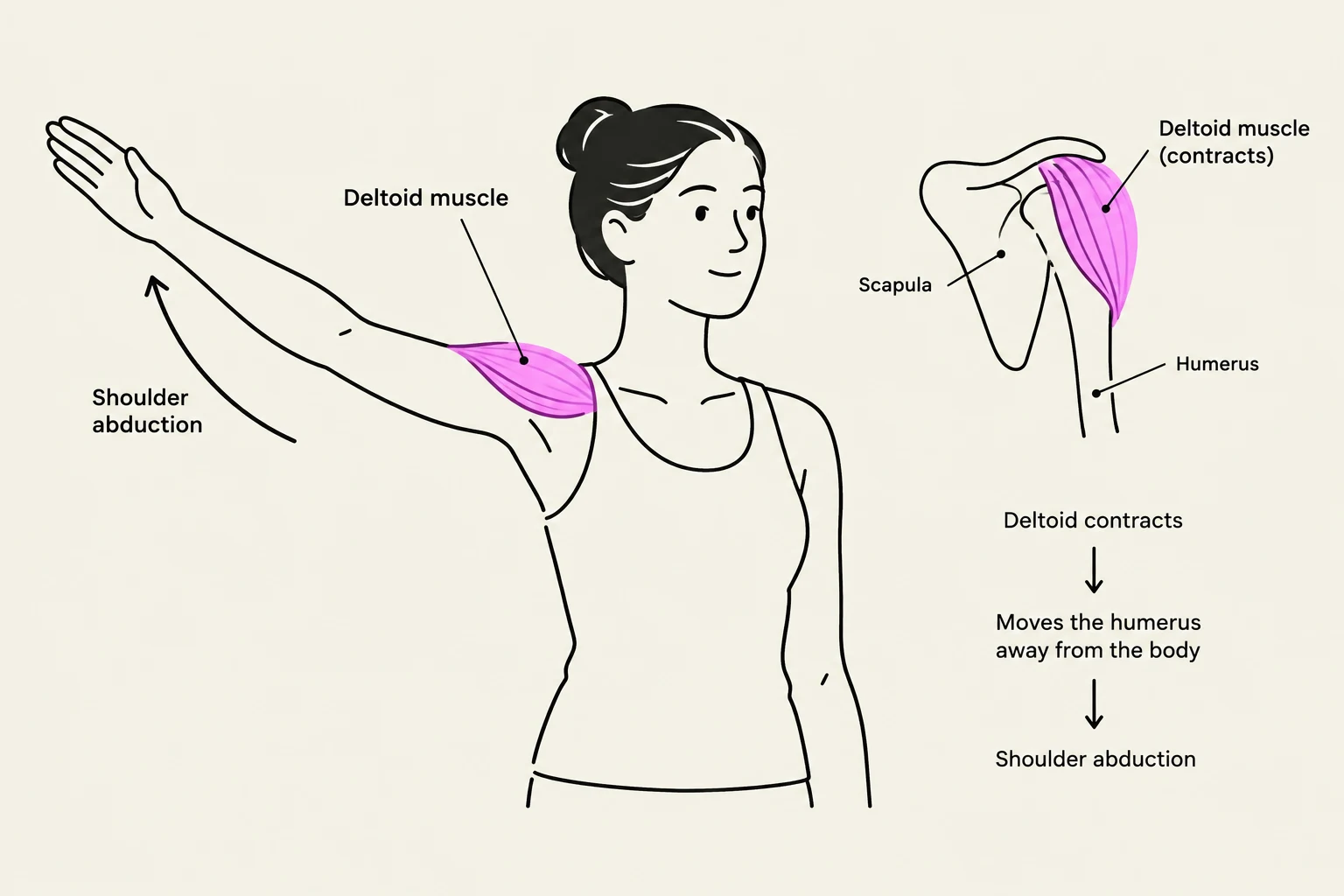
When assessing AROM, clinicians look for:
- Range: Is the movement complete or restricted?
- Quality: Is the movement smooth, or is there "catching" or tremors?
- Pain: Does the pain occur at a specific angle (arc of pain)?
Passive Range of Motion (PROM)
Passive Range of Motion is performed when the clinician (or a machine) moves the patient's joint while the patient remains completely relaxed. In this scenario, the patient's muscles are not contributing to the movement; the clinician is providing the force to move the bones through the joint space.
Keep reading for free.
Create an account to finish this reading and make it part of your study routine.
Continue reading freeAlready have an account? Log in
Updated