


In the study of chemistry, understanding how matter changes is fundamental. A chemical reaction is defined as a change in matter, often referred to as a chemical change, which results in the production of new substances. To communicate these changes effectively, scientists use various types of equations to represent what is happening at a molecular level.
The Anatomy of a Reaction
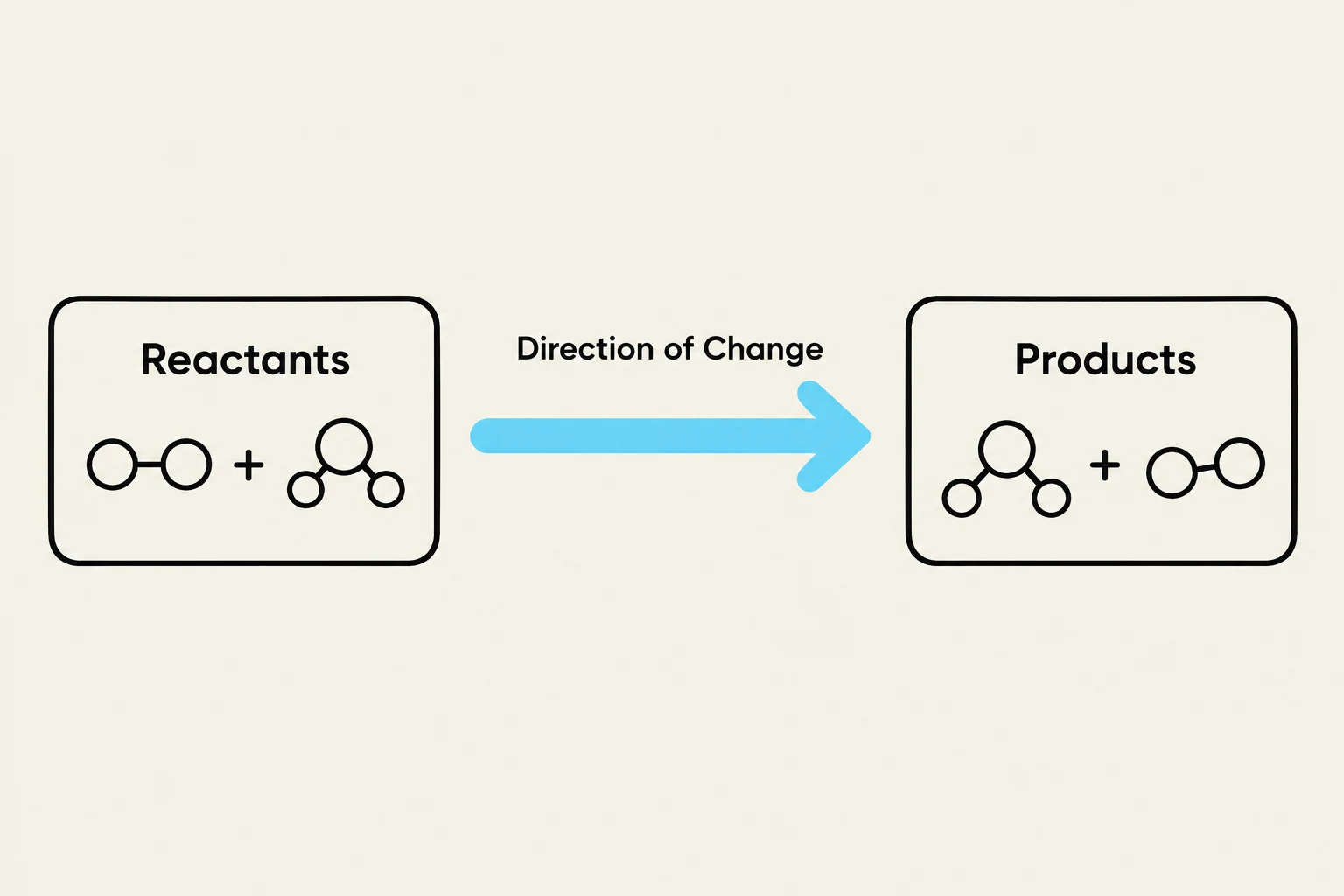
Every chemical reaction involves two main components: the starting materials and the resulting substances. These are represented by a standard directional format:
- Reactants: These are the substances present at the "start" of the reaction.
- Products: These are the "new substances formed" as a result of the reaction.
- The Arrow (): This symbol represents the direction of the change, indicating that the reactants are being transformed into products.
Exam Tip: Always identify your reactants and products before you begin writing an equation. If you confuse the two, your entire equation will be backwards!
Levels of Chemical Representation
Depending on how much detail is required, chemists use different methods to describe a reaction.
1. Word Equations
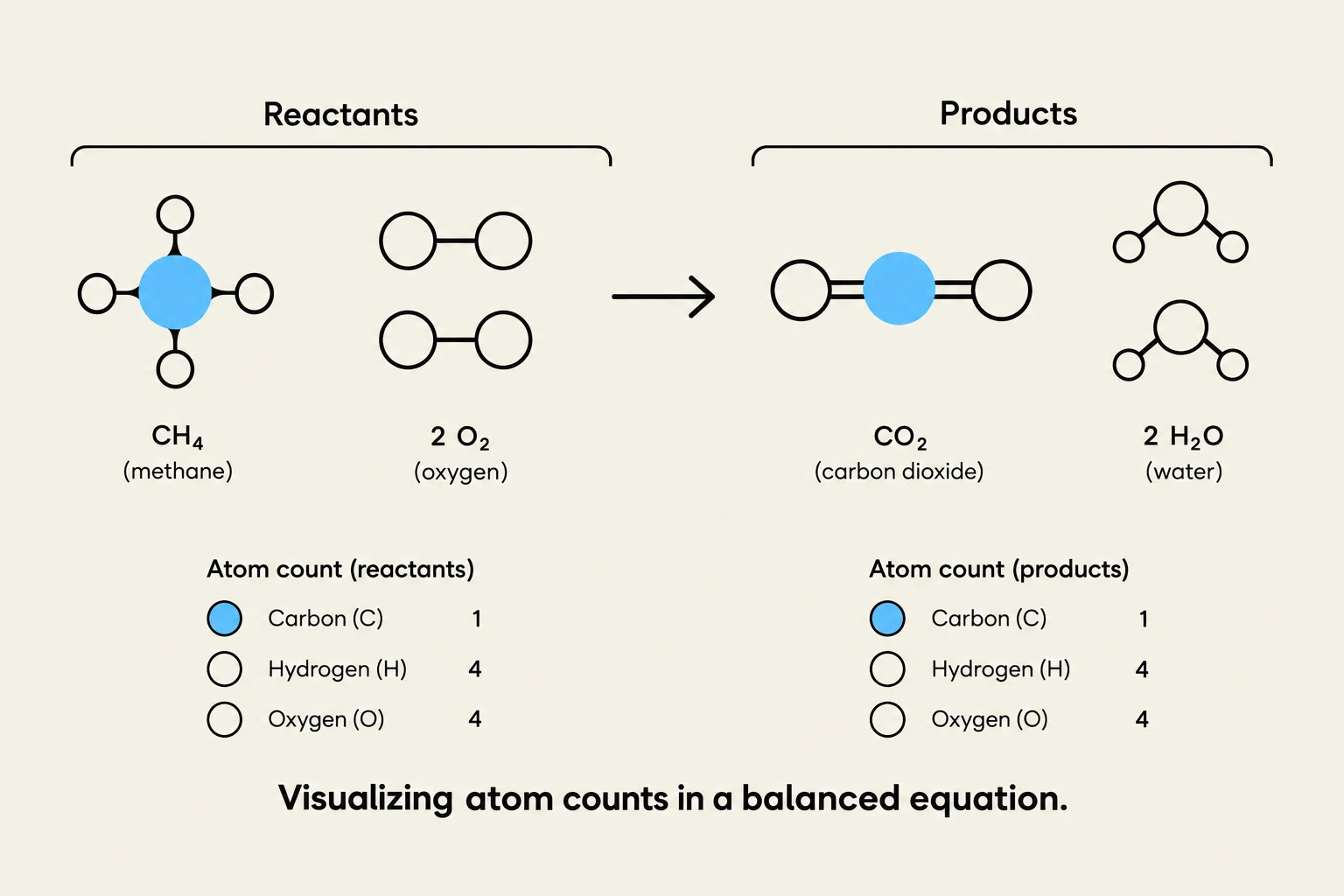
A word equation is the simplest way to describe a reaction. It uses the full chemical names of the substances involved to explain what is happening.

Keep reading for free.
Create an account to finish this reading and make it part of your study routine.
Continue reading freeAlready have an account? Log in
Updated