


What distinguishes a rock from a frog? What separates a complex forest ecosystem from a collection of inanimate minerals? These questions lie at the heart of biology, a field that seeks to understand the very essence of existence. While we often take the distinction between "living" and "non-living" for granted, defining life is one of the most profound challenges in modern science.
The Scope of Biology
Biology is formally defined as the science of life and living organisms. This expansive field does not merely catalog animals and plants; it encompasses the study of their structure, function, growth, origin, evolution, and distribution.
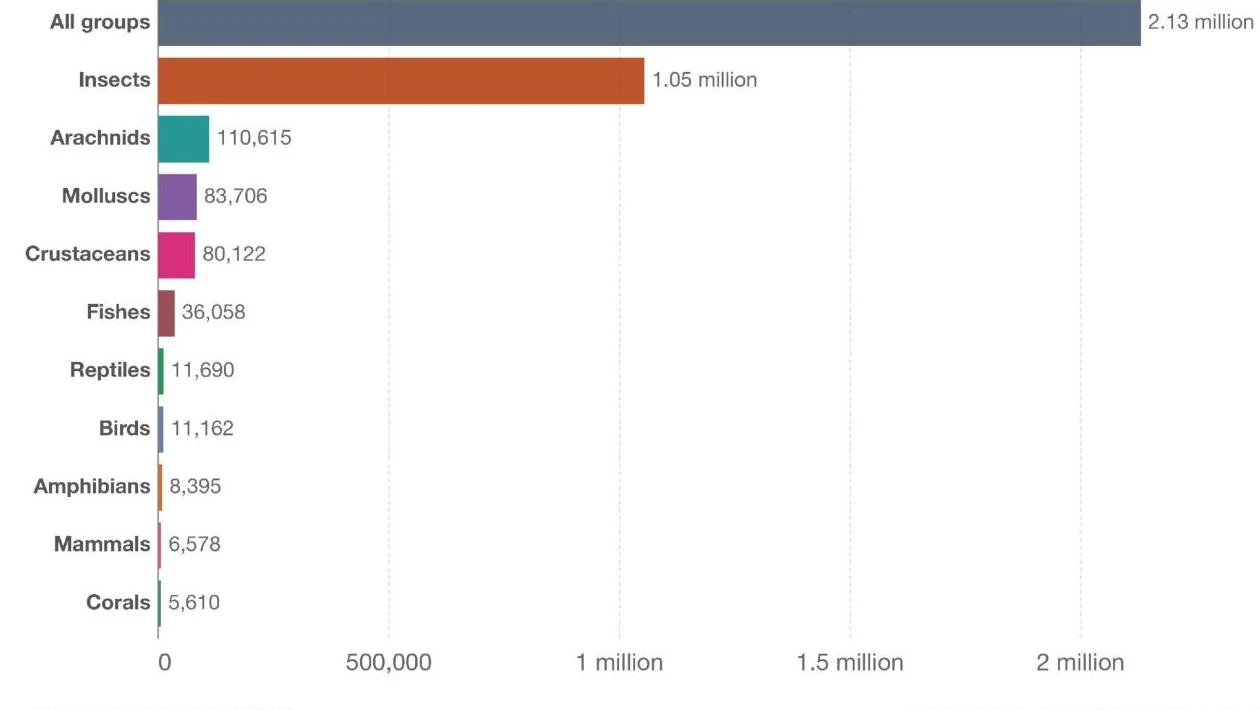
By studying biology, researchers attempt to answer humanity's most fundamental questions: How did life begin? What is the nature of life itself? And, perhaps most provocatively, is there life on other planets?. Despite centuries of progress, our understanding is far from complete. As of 2021, millions of species have been identified and named, yet this represents only a fraction of Earth's total biodiversity.
Characteristics of Life
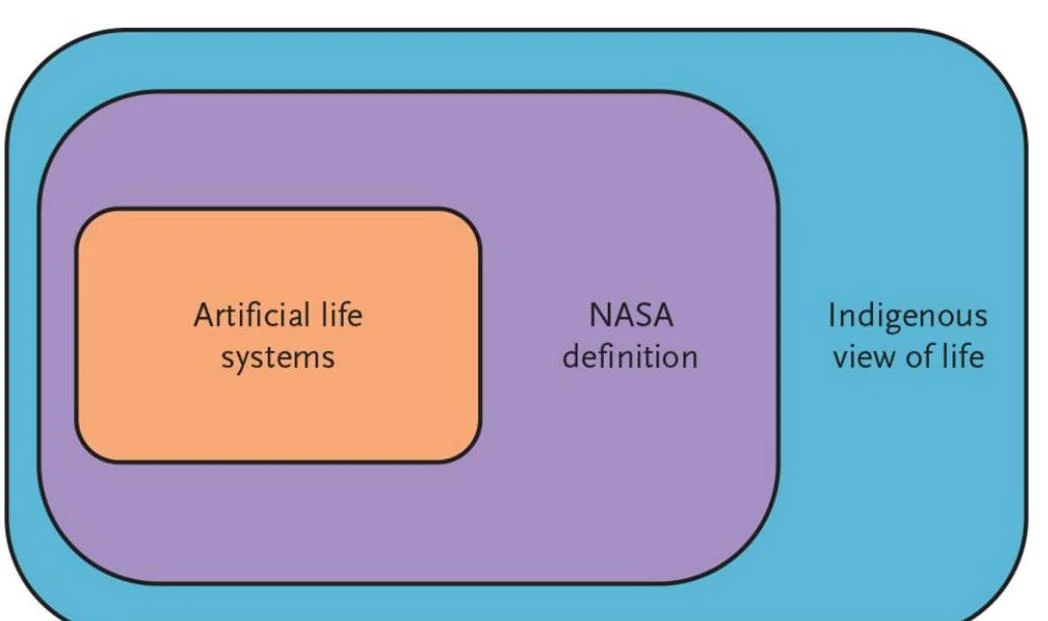
Because biological organisms are incredibly diverse—ranging from microscopic bacteria to massive blue whales—scientists cannot rely on a single physical trait to define life. Instead, they look for a set of consistent characteristics that appear across the spectrum of living things.
One way to conceptualize life is as a complex system where proteins and nucleic acids interact in specific ways to allow for growth and reproduction. Generally, biologists look for the following traits:
Keep reading for free.
Create an account to finish this reading and make it part of your study routine.
Continue reading freeAlready have an account? Log in
Updated