


In a medical emergency, every second counts. When a person's heart stops beating effectively, the window for life-saving intervention is incredibly narrow. Understanding the difference between various stages of medical crisis and knowing how to perform Cardiopulmonary Resuscitation (CPR) and use an Automated External Defibrillator (AED) can mean the difference between life and death.
Understanding Cardiac Arrest and Death
To respond effectively, one must first understand what is happening physiologically. Cardiac arrest is a condition where the heart stops beating or beats too irregularly or too weakly to pump blood effectively to the rest of the body. This is often referred to as sudden cardiac arrest when it occurs without warning.
When the heart stops, the body enters a state of clinical death, characterized by the cessation of breathing and heartbeat. At this stage, the condition is potentially reversible for approximately 4 to 6 minutes. However, if oxygenated blood is not restored to the brain, the person will progress to biological death, where irreversible brain damage occurs, typically after 8 to 10 minutes.
Exam Tip: Remember the distinction between clinical and biological death. Clinical death is the cessation of vital signs (reversible), while biological death is the permanent cessation of brain function (irreversible).
Cardiopulmonary Resuscitation (CPR) Techniques
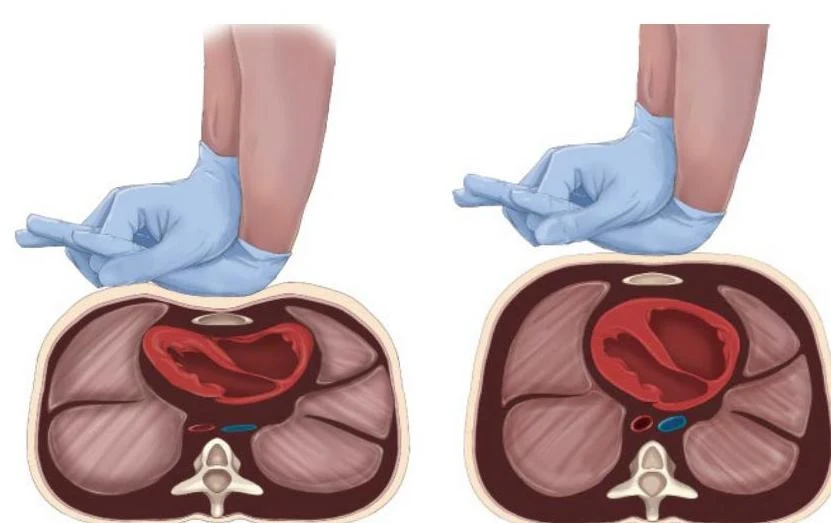
Cardiopulmonary Resuscitation (CPR) is a life-saving technique that combines chest compressions and rescue breaths to maintain oxygenated blood flow to the brain and vital organs.
The Standard CPR Ratio
For adults, children, and infants, the standard ratio for performing CPR is 30 chest compressions followed by 2 rescue breaths.
Keep reading for free.
Create an account to finish this reading and make it part of your study routine.
Continue reading freeAlready have an account? Log in
Updated