


In the field of psychology, researchers are constantly seeking to understand the complex relationships between different mental processes and behaviors. While some studies aim to prove that one thing causes another, many others are designed simply to see if two things change together. These are known as correlational methods. By observing how variables co-occur, psychologists can make predictions and identify patterns that are essential for understanding human nature.
Understanding Surveys and Self-Reports
One of the most common ways to gather data in correlational research is through the use of surveys. A survey is a structured method used to collect information about a large number of people's thoughts, feelings, or behaviors.
To make these thoughts and feelings quantifiable, researchers often rely on self-report measures. Self-reporting occurs when participants provide information about themselves, such as answering questions on a questionnaire or participating in a telephone interview. While self-reports are a powerful tool for accessing internal states like anxiety or attitudes, researchers must ensure these measures are reliable (consistent) and valid (actually measuring what they claim to measure).
Exam Tip: When evaluating a study, remember that self-reports are a type of "measured variable." Unlike "manipulated variables" in experiments, researchers do not control the participant's response; they simply observe and record it.
Correlational Methods and the Association Between Variables
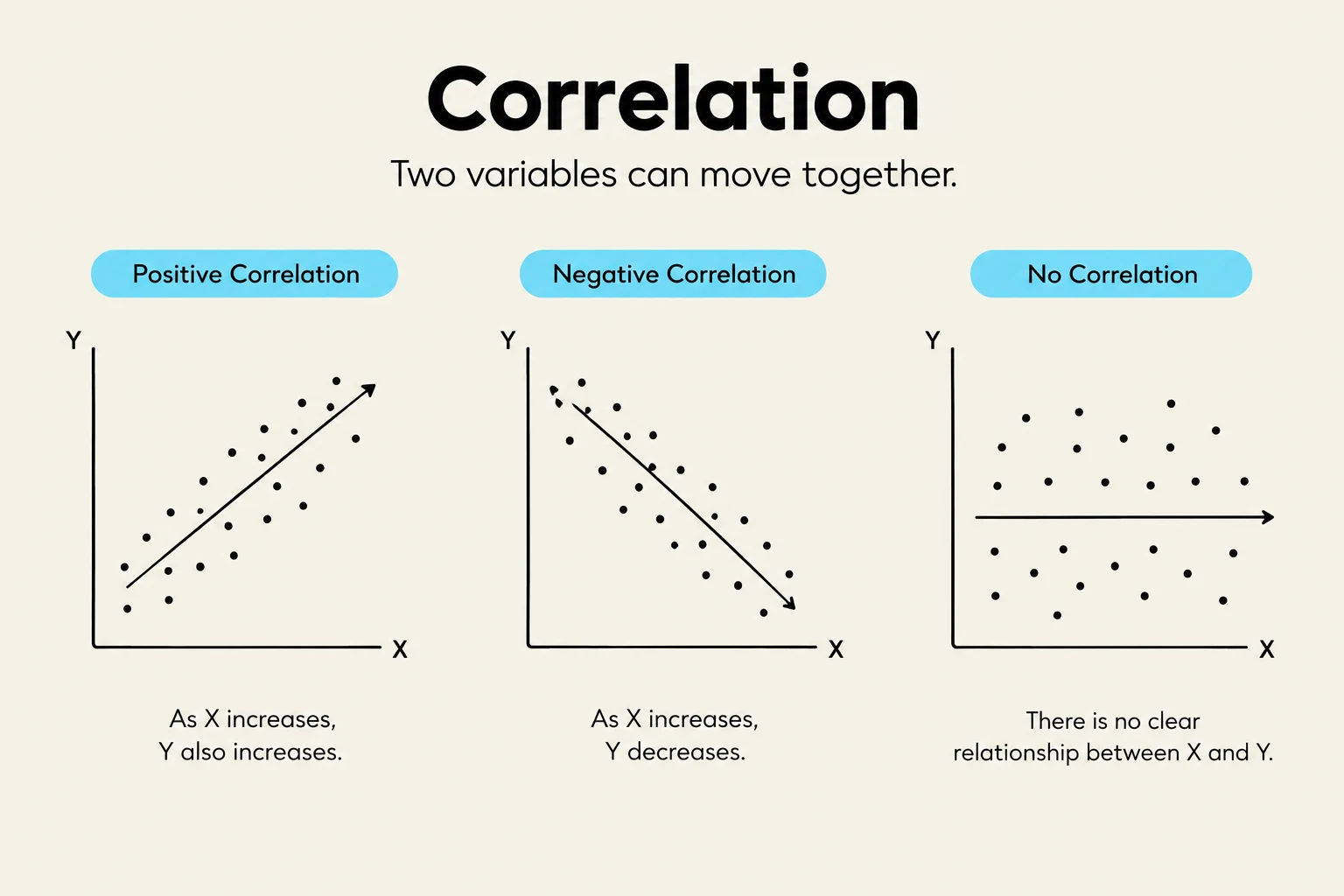
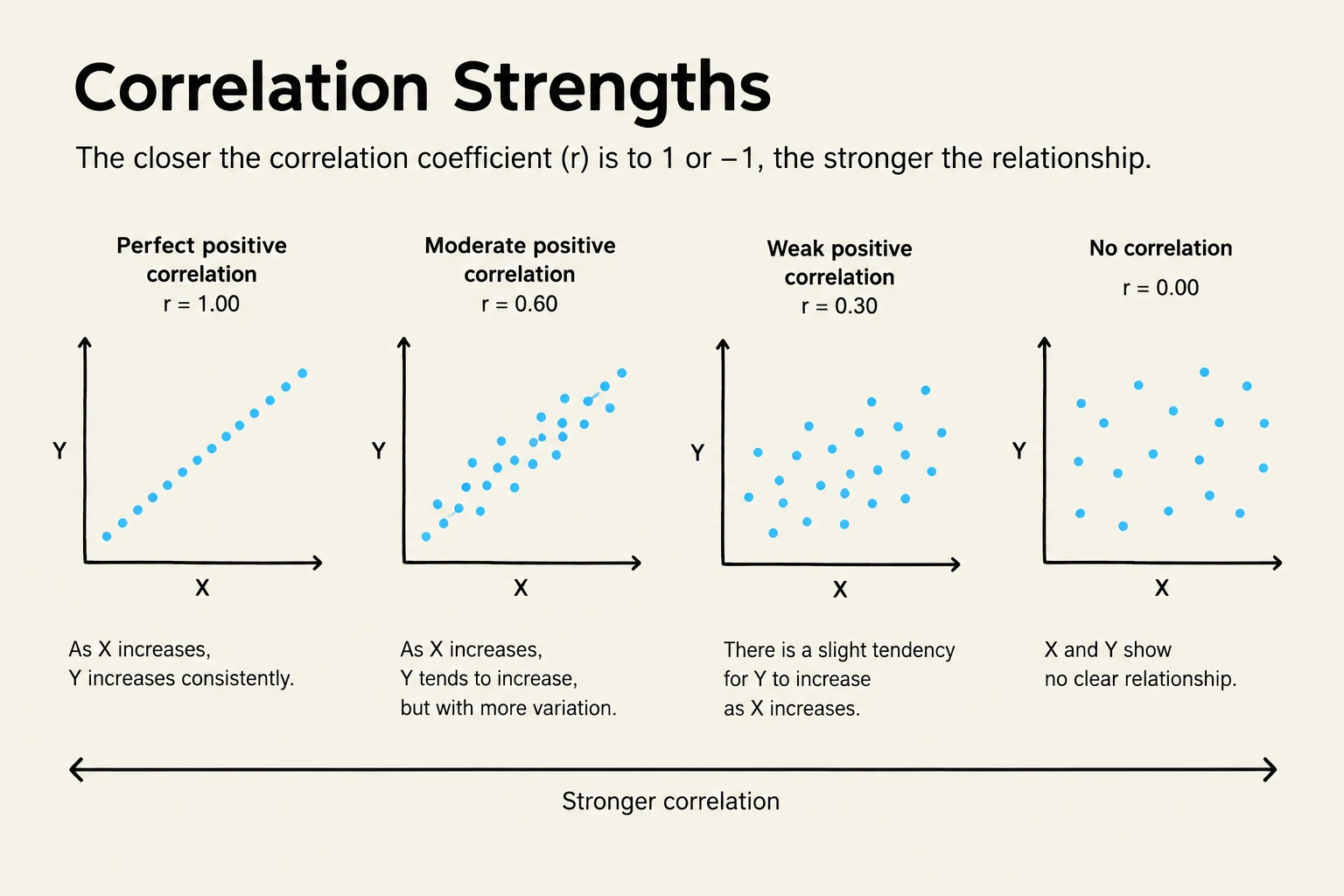
The primary goal of correlational methods is to observe the association between variables. An association (or correlation) tells us the extent to which two variables co-occur. For example, a researcher might want to know if there is a relationship between a person's level of self-esteem and their level of depression.
Keep reading for free.
Create an account to finish this reading and make it part of your study routine.
Continue reading freeAlready have an account? Log in
Updated