


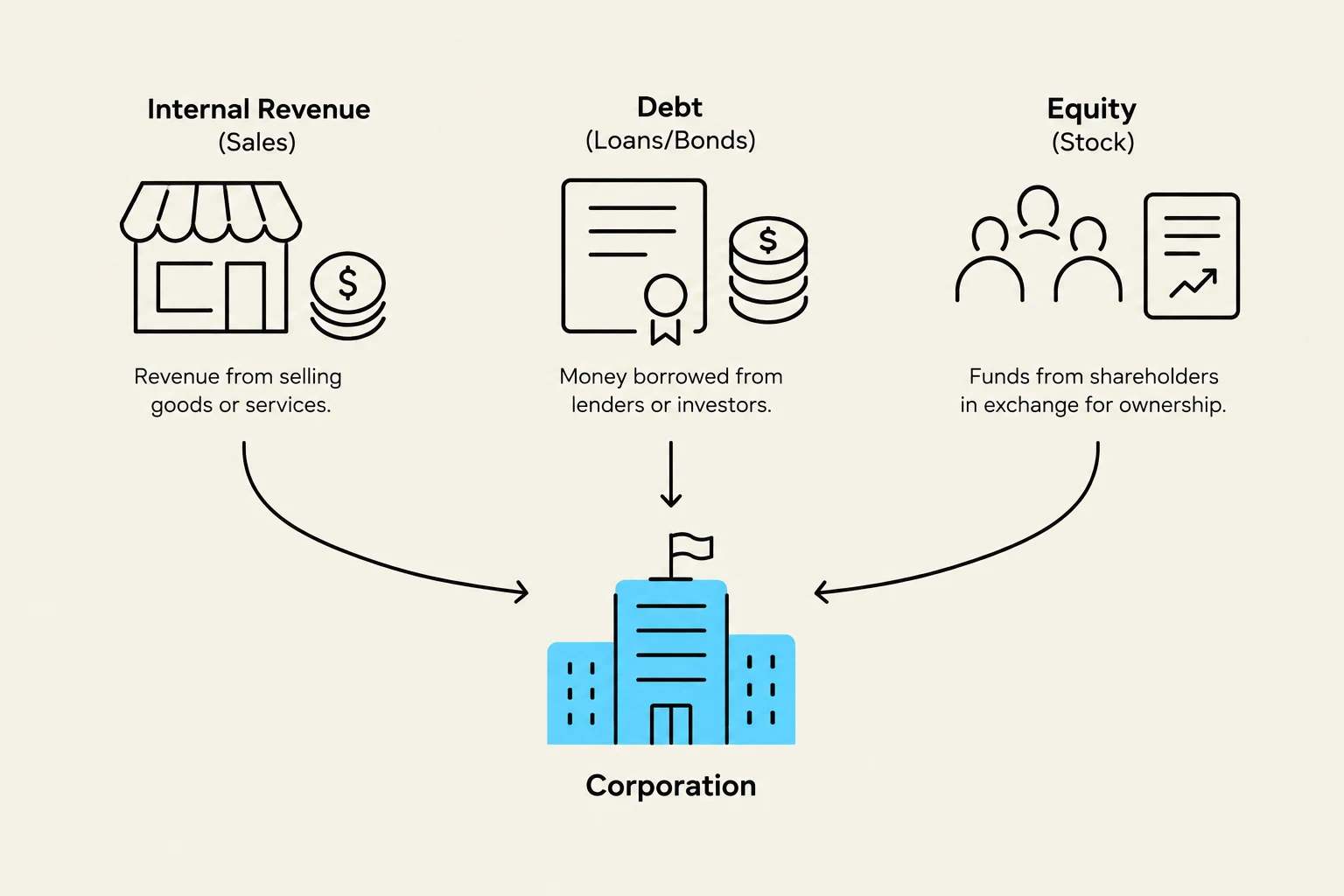
In the landscape of Canadian business, choosing the right vehicle for operation is a critical decision that impacts liability, taxation, and continuity. While sole proprietorships and partnerships offer simplicity, the corporation stands as the most common business vehicle due to its ability to create a separate legal entity. This article explores how corporations are formed, how they are structured through different share classes, how they secure funding, and how they eventually cease to exist.
The Process of Incorporation
Incorporation is the legal process of creating a "legal fiction"—an entity that has a legal personality separate from the people who own or manage it. This separation means that the corporation can own assets, enter contracts, and sue or be sued in its own name.
In Canada, the method of incorporation depends on the jurisdiction. While the core concept of filing founding documents remains consistent, the specific terminology and requirements vary:
| Jurisdiction | Charter Documents | Bylaws |
|---|---|---|
| Nova Scotia | Memorandum | Filed |
| Prince Edward Island | Letters patent | Not filed |
| British Columbia | Notice of articles | Not filed |
| Other provinces/Federal | Articles of incorporation | Not filed |
Key Concept: The Corporate Veil One of the greatest benefits of incorporation is limited liability, which protects shareholders from the corporation's unexpected obligations. However, courts may "lift the corporate veil" to hold individuals personally liable in rare cases involving fraud or the avoidance of regulations.

Corporate Structure and Share Classes
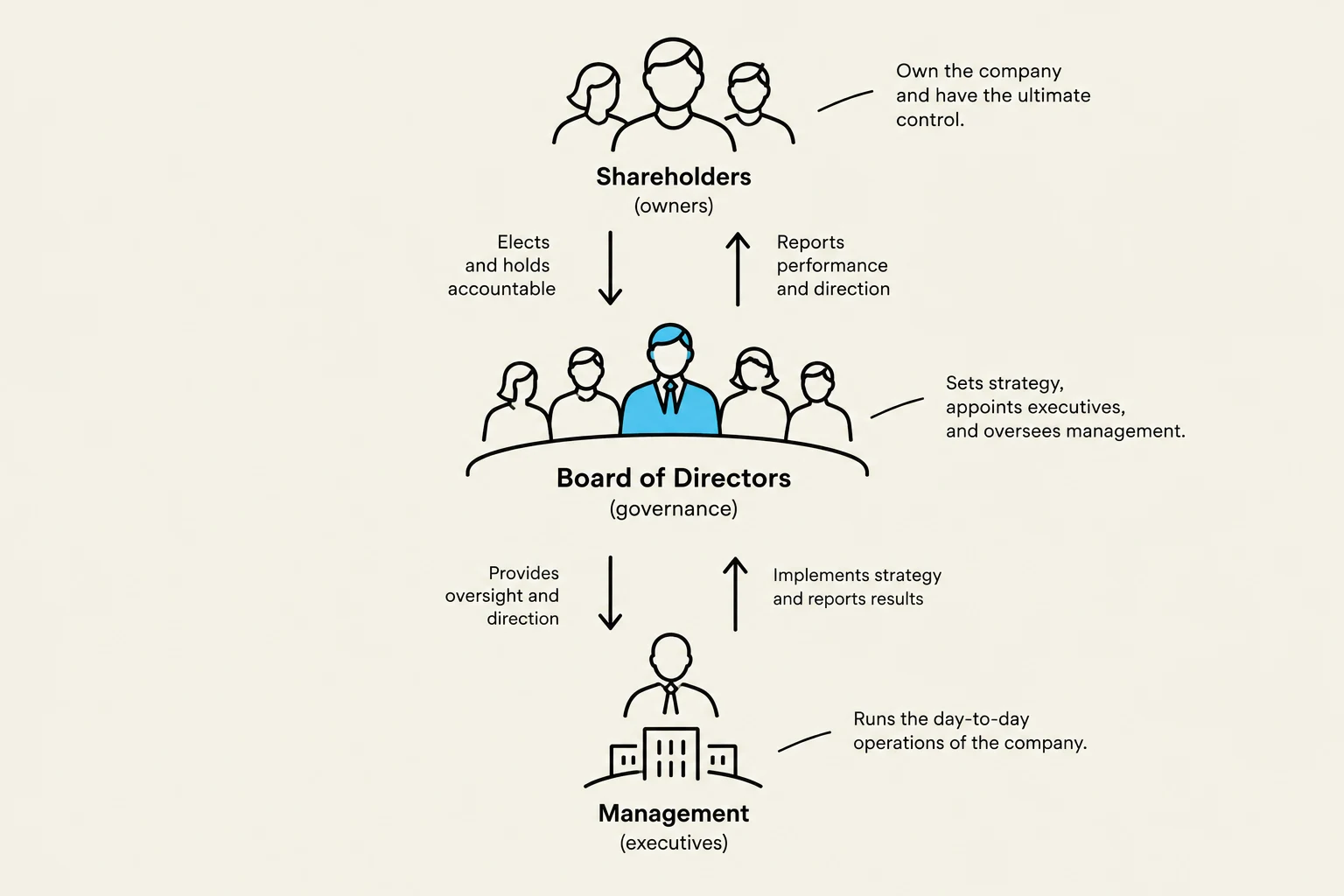
A corporation is typically organized into three distinct roles: Shareholders (the financiers), Directors (the governance and strategy), and Officers (the day-to-day operations).
Keep reading for free.
Create an account to finish this reading and make it part of your study routine.
Continue reading freeAlready have an account? Log in
Updated