


Chronic Obstructive Pulmonary Disease (COPD) is a progressive respiratory condition characterized by persistent airflow limitation. Because the disease is progressive, early diagnosis and personalized management are critical to slowing lung function decline and improving the patient's quality of life. This review covers the essential clinical pillars of COPD: risk factors, pathological manifestations, diagnostic criteria, symptom assessment, and targeted pharmacological therapy.
Pathophysiology and Risk Factors
The development of COPD is most strongly linked to environmental exposures that cause chronic inflammation in the airways.
Smoking: The Primary Driver
The number one risk factor for developing COPD is smoking. Tobacco smoke introduces irritants that trigger a chronic inflammatory response in the lungs, leading to structural changes in the airways and lung parenchyma.
Clinical Manifestations: Bronchitis vs. Emphysema
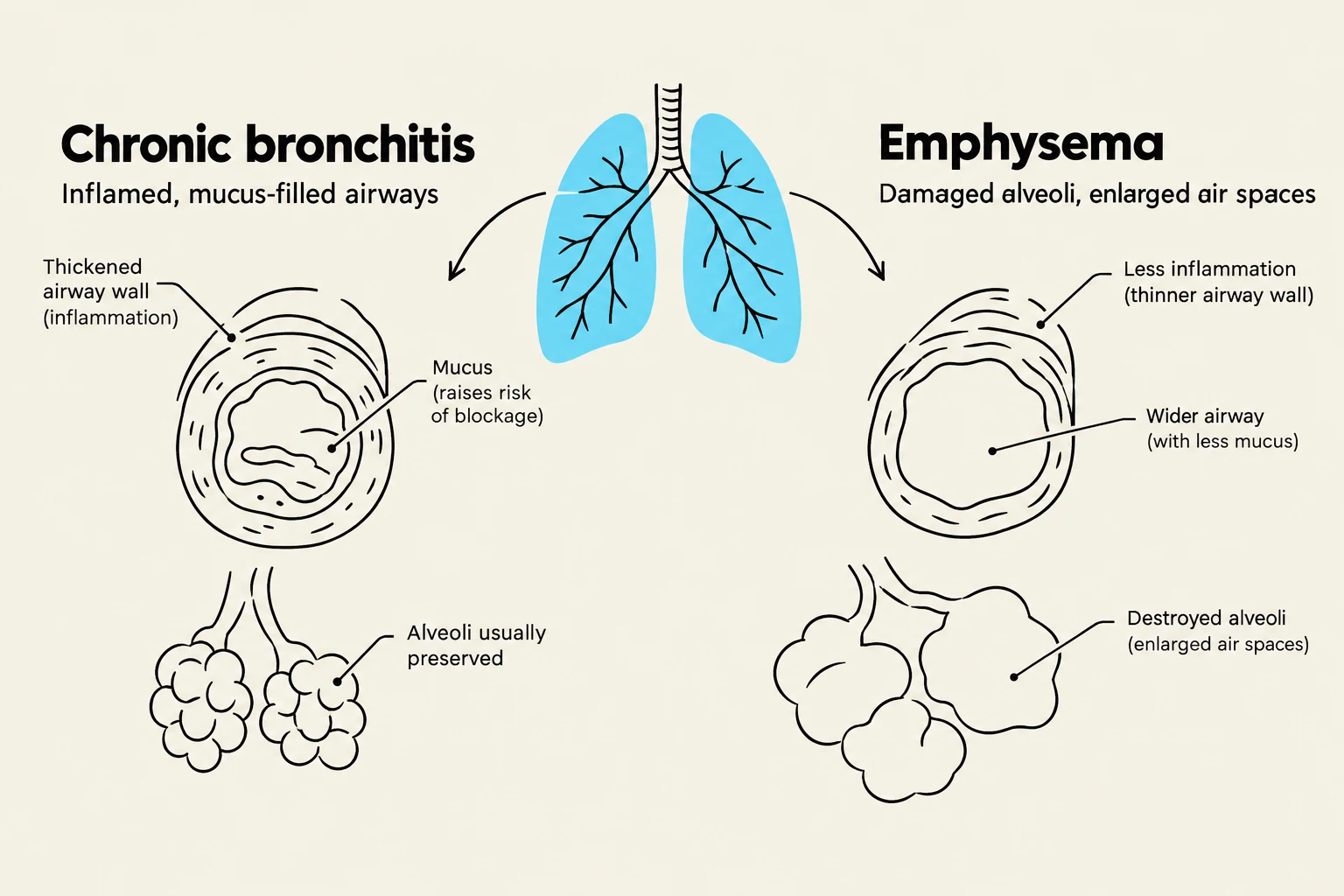
While often discussed as a single entity, COPD can manifest through two distinct clinical conditions, which may exist independently or overlap in a single patient:
- Chronic Bronchitis: Characterized by a chronic productive cough and inflammation of the bronchial tubes.
- Emphysema: Characterized by the destruction of the alveoli (air sacs), which reduces the surface area available for gas exchange and leads to air trapping.
Diagnostic Gold Standard: Spirometry
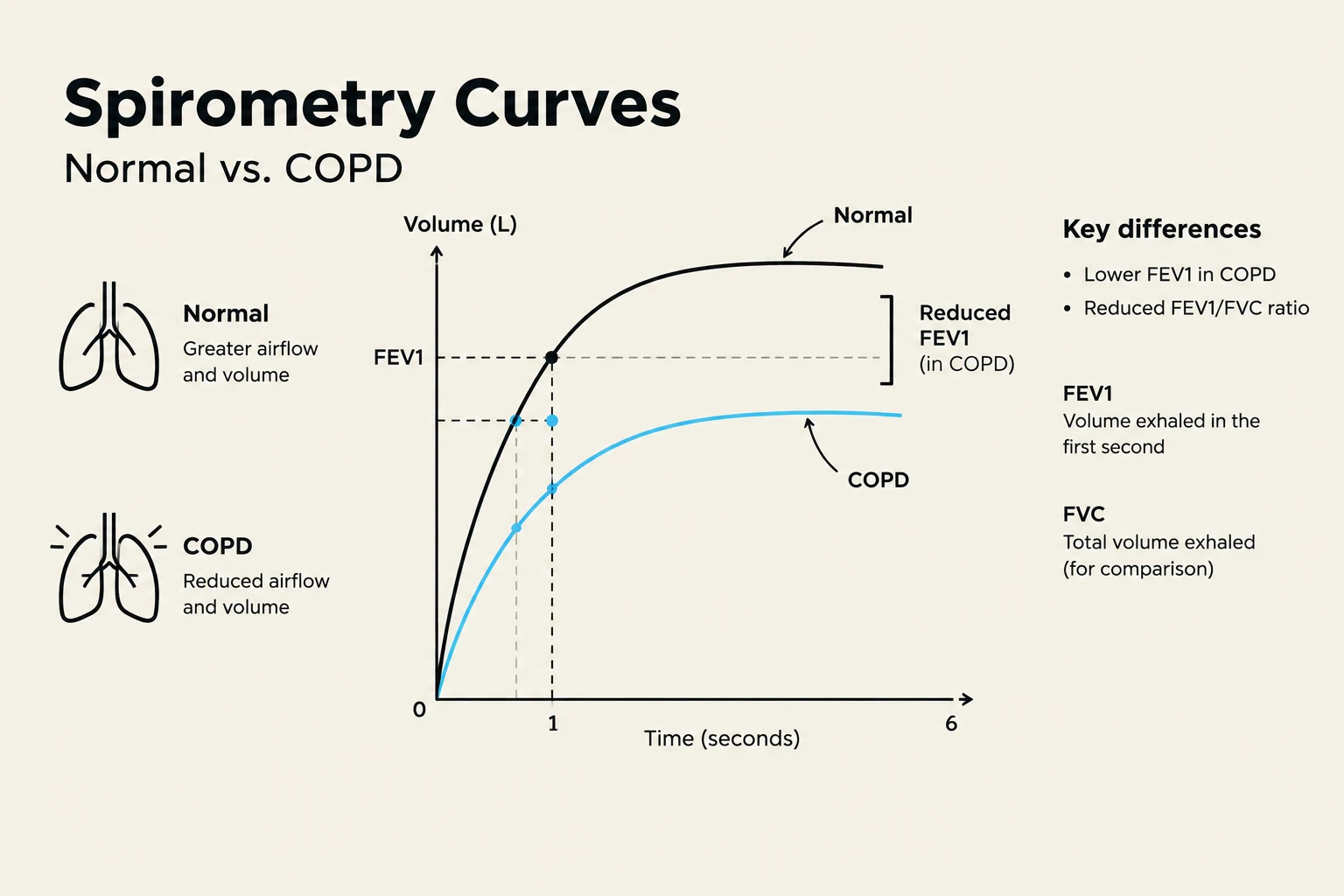
To move from a clinical suspicion to a definitive diagnosis, healthcare providers must perform spirometry, a pulmonary function test. Spirometry measures several key volumes, most notably the Forced Vital Capacity (FVC) and the Forced Expiratory Volume in one second ().
Keep reading for free.
Create an account to finish this reading and make it part of your study routine.
Continue reading freeAlready have an account? Log in
Updated