


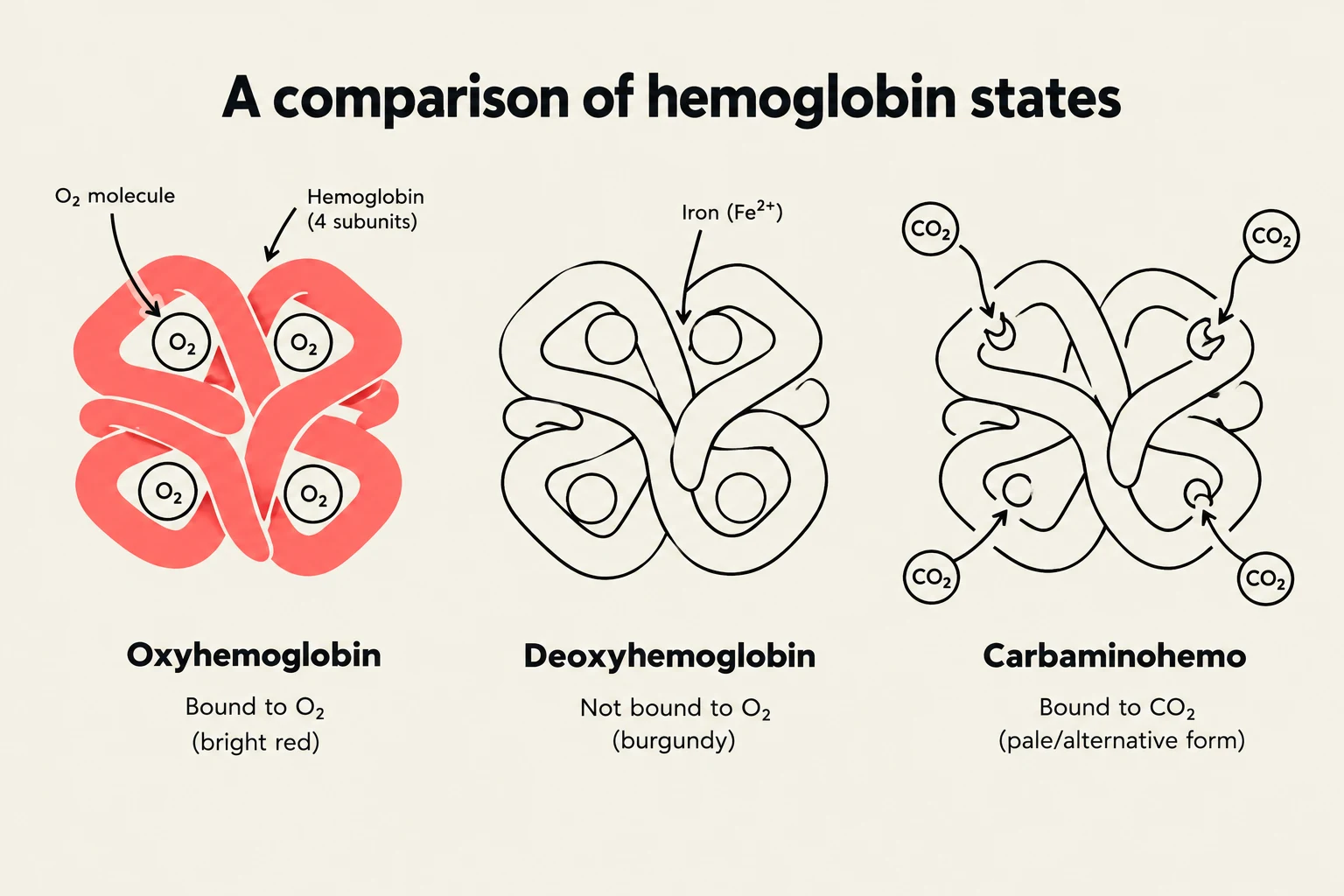
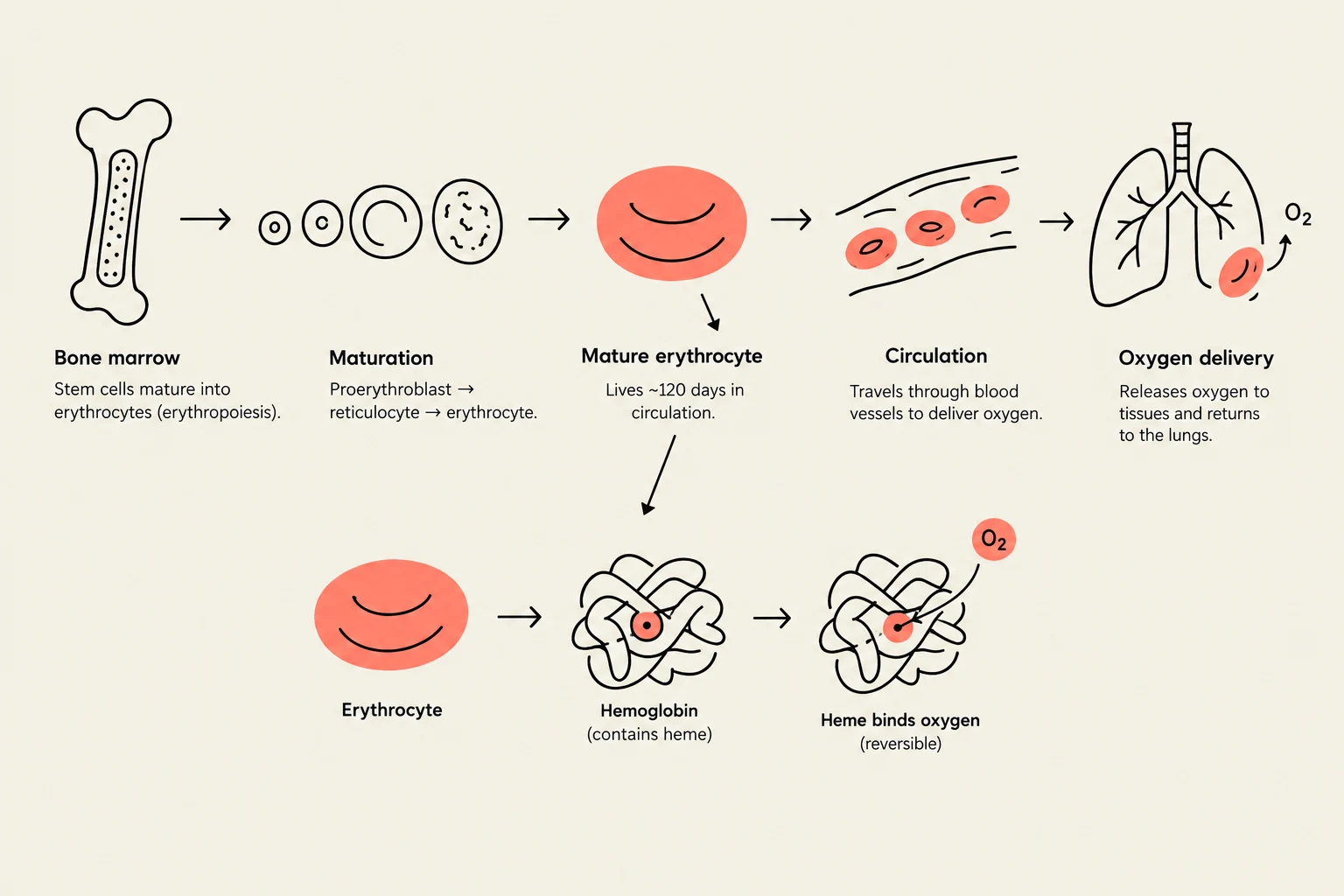
Blood is much more than just a red liquid flowing through our veins; it is a specialized fluid connective tissue that serves as the body's primary transport system. By circulating through the cardiovascular system—comprising arteries, veins, and capillaries—blood ensures that every cell in the body receives the gases and nutrients it needs to survive.
The Multi-Faceted Functions of Blood
Blood performs several critical roles that maintain homeostasis (the body's internal balance). Beyond simple transport, its functions include:
- Molecular Transportation: Moving nutrients, gases, hormones, and waste products.
- Regulation: Maintaining proper pH levels and ion concentrations.
- Thermoregulation: Helping to distribute and regulate body temperature.
- Protection: Fighting microbial invaders and minimizing blood loss through clotting mechanisms during lacerations.
The Composition of Blood: Plasma and Formed Elements
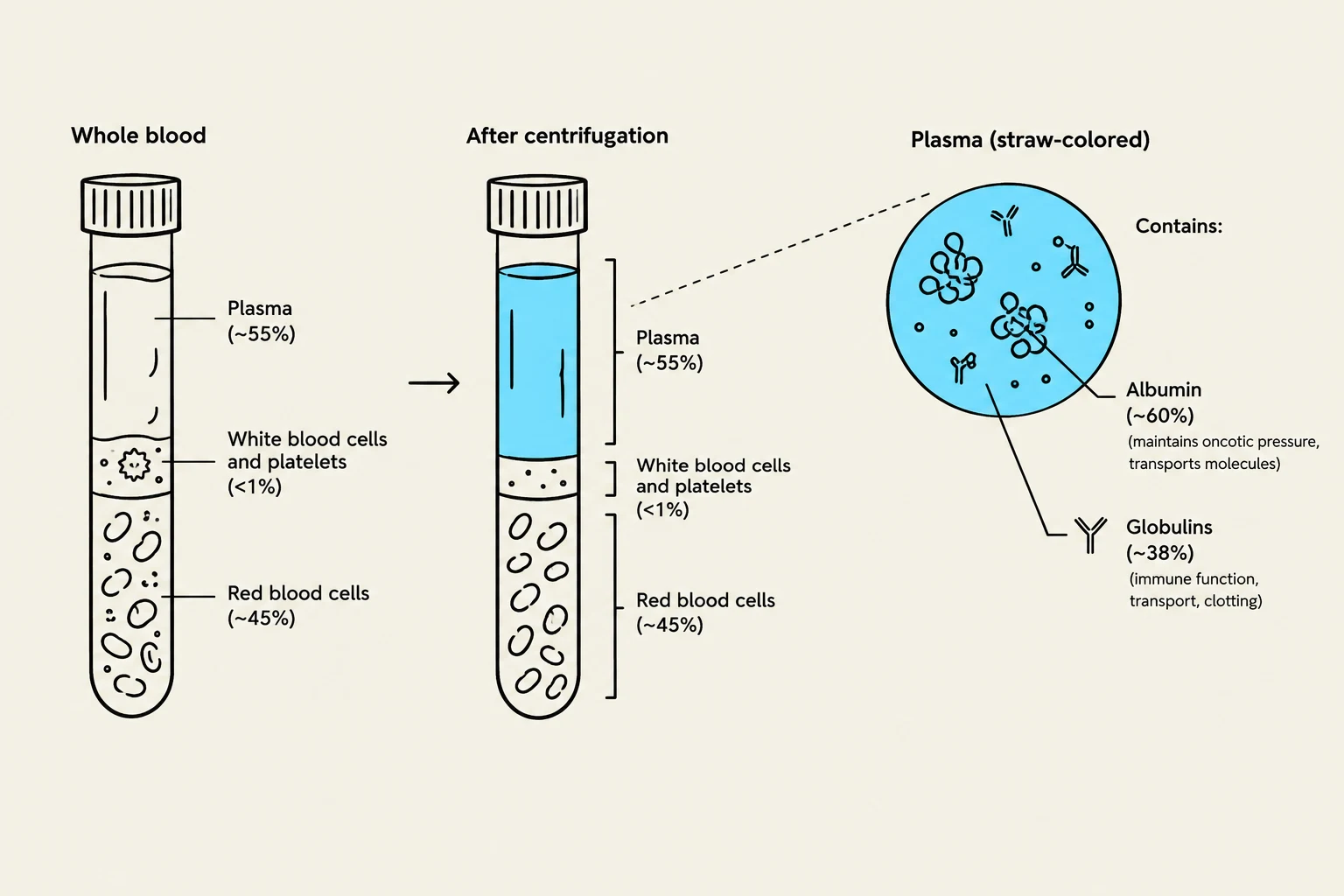
Blood is composed of two main components: plasma (the liquid part) and formed elements (the cellular part). In an average adult, the total blood volume is approximately 5 liters.
Plasma: The Liquid Matrix
Plasma is a straw-colored liquid consisting primarily of water, which acts as a solvent for various dissolved solutes such as ions, metabolites, hormones, and antibodies. While plasma and interstitial fluid (the fluid surrounding cells) are similar, plasma contains unique proteins that are essential for life.
Plasma proteins make up about 7–9% of plasma and are categorized into three main types:
- Albumin: The most abundant plasma protein, accounting for 60–80% of the total protein content. Its primary job is to create osmotic pressure, which "draws" water from the interstitial fluid back into the capillaries, thereby maintaining blood volume and pressure.
- Globulins: These proteins serve various roles, including the transport of lipids. Specifically, gamma globulins function as antibodies to fight infection.
- Fibrinogen: A critical clotting factor that is converted into fibrin to stop bleeding. When blood clots, the liquid remaining after the clot is removed is known as serum.
Keep reading for free.
Create an account to finish this reading and make it part of your study routine.
Continue reading freeAlready have an account? Log in
Updated