


The oral cavity is a complex anatomical region containing various tissues, including the gingiva, tongue, palate, and salivary glands. Because this area is frequently exposed to environmental irritants, pathogens, and trauma, clinicians often encounter a wide range of presentations—from benign bony growths and congenital anomalies to acute, potentially life-threatening swellings. Understanding the distinction between normal variants, benign lesions, and urgent pathologies is essential for effective clinical management.
Benign Bony Exostosis and Oral Variants
Not every protrusion or irregularity in the mouth indicates a disease process. Some findings are simply benign anatomical variations or slow-growing bony growths.
Torus Palatinus and Mandibularis
A common finding in approximately 20% of the population is the presence of a torus. These are benign bony exostoses (outgrowths) that typically manifest in two locations: the midline of the hard palate (torus palatinus) or the inner aspect of the mandible (torus mandibularis). Because these are benign, they generally do not require treatment unless they become bothersome, such as when a patient requires a well-fitting denture.
Congenital Lingual Anomalies: Ankyloglossia
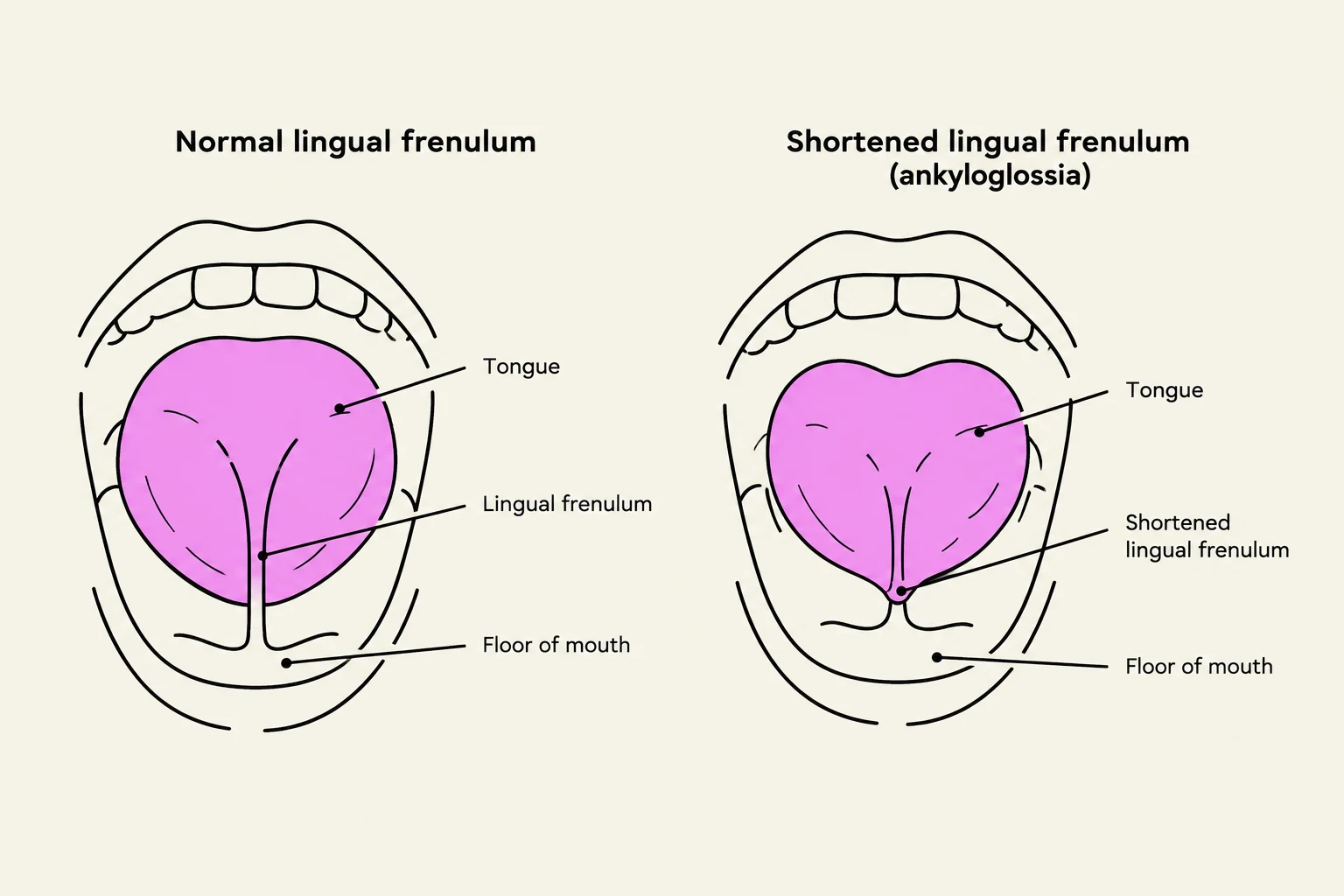
While many oral findings are acquired, some are present from birth. Ankyloglossia, commonly known as "tongue-tied," is a congenital anomaly characterized by a short or thickened lingual frenulum. This condition can lead to several functional difficulties, including speech problems, malocclusion (misaligned teeth), dysphagia (difficulty swallowing), and challenges with feeding in infants. Management may involve monitoring or surgical interventions such as a frenectomy or frenuloplasty if the condition interferes with daily function.

Keep reading for free.
Create an account to finish this reading and make it part of your study routine.
Continue reading freeAlready have an account? Log in
Updated