


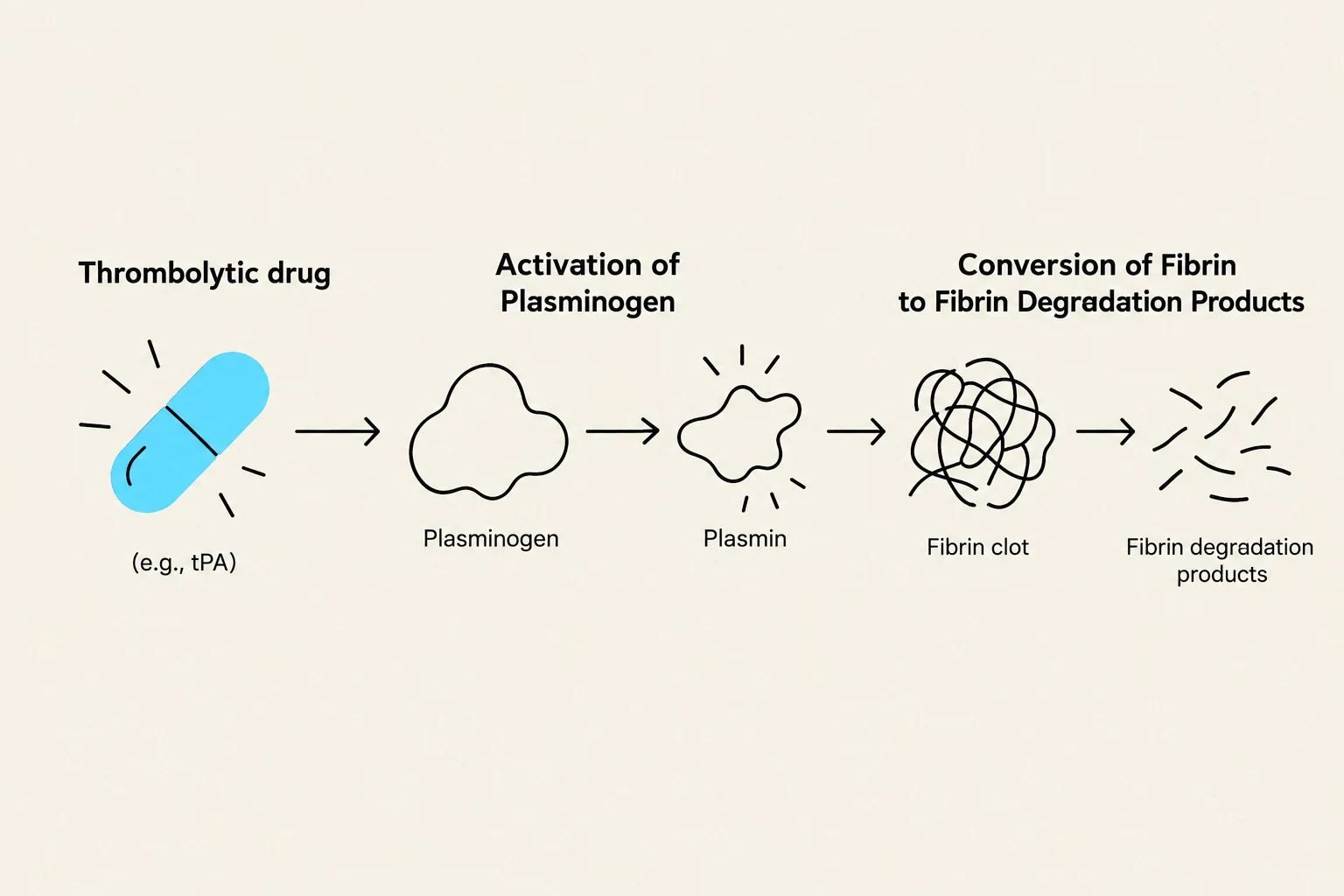
Managing a patient's coagulation status is a high-stakes nursing responsibility. Whether you are preventing a new clot from forming, preventing an existing clot from growing, or attempting to dissolve a life-threatening blockage, you must understand the specific pharmacology of the agent being used. Coagulation modifier drugs are broadly categorized into three distinct groups: anticoagulants, antiplatelets, and thrombolytics. While they all influence the blood's ability to clot, their mechanisms of action and clinical indications differ significantly.
Anticoagulants: Preventing Clot Extension
Anticoagulants work by inhibiting the formation or action of various clotting factors in the coagulation cascade. It is a critical clinical distinction to remember that anticoagulants do not dissolve existing clots; rather, they prevent the formation of new clots or stop an existing clot from getting larger. These are frequently used in the management of venous thromboembolism (VTE).
Heparin and LMWH
Heparin is a fast-acting agent typically administered intravenously. Because its effects can be profound, it requires frequent monitoring of the aPTT (activated partial thromboplastin time) using a nomogram to ensure the patient stays within a safe therapeutic range. If a patient experiences excessive bleeding, the reversal agent is protamine sulfate.
Low Molecular Weight Heparin (LMWH), such as enoxaparin, is a common alternative. LMWH provides a more predictable pharmacological response than unfractionated heparin, which often allows for less frequent laboratory monitoring. However, note that protamine sulfate only provides partial reversal for LMWH.
Warfarin and DOACs
Warfarin is an oral anticoagulant that interferes with the body's ability to use Vitamin K-dependent factors (II, VII, IX, and X). Because of its complex interactions with diet and other drugs, it must be monitored using the INR (International Normalized Ratio). If a patient's INR is too high and they are at risk of bleeding, Vitamin K is used as the reversal agent.

Keep reading for free.
Create an account to finish this reading and make it part of your study routine.
Continue reading freeAlready have an account? Log in
Updated