


In the complex landscape of the central nervous system (CNS), the balance between excitation and inhibition determines everything from our ability to learn and remember to our stability during sleep. While glutamate serves as the primary "Go" signal (excitatory), Gamma-aminobutyric acid (GABA) acts as the primary "Stop" signal (inhibitory). Understanding how GABAergic neurotransmission works is essential for grasping the pharmacology of drugs used to treat anxiety, epilepsy, and sedation.
The Mechanisms of Inhibition
GABA exerts its inhibitory effects through two distinct classes of receptors: ionotropic and metabotropic receptors.
Ionotropic GABA Receptors
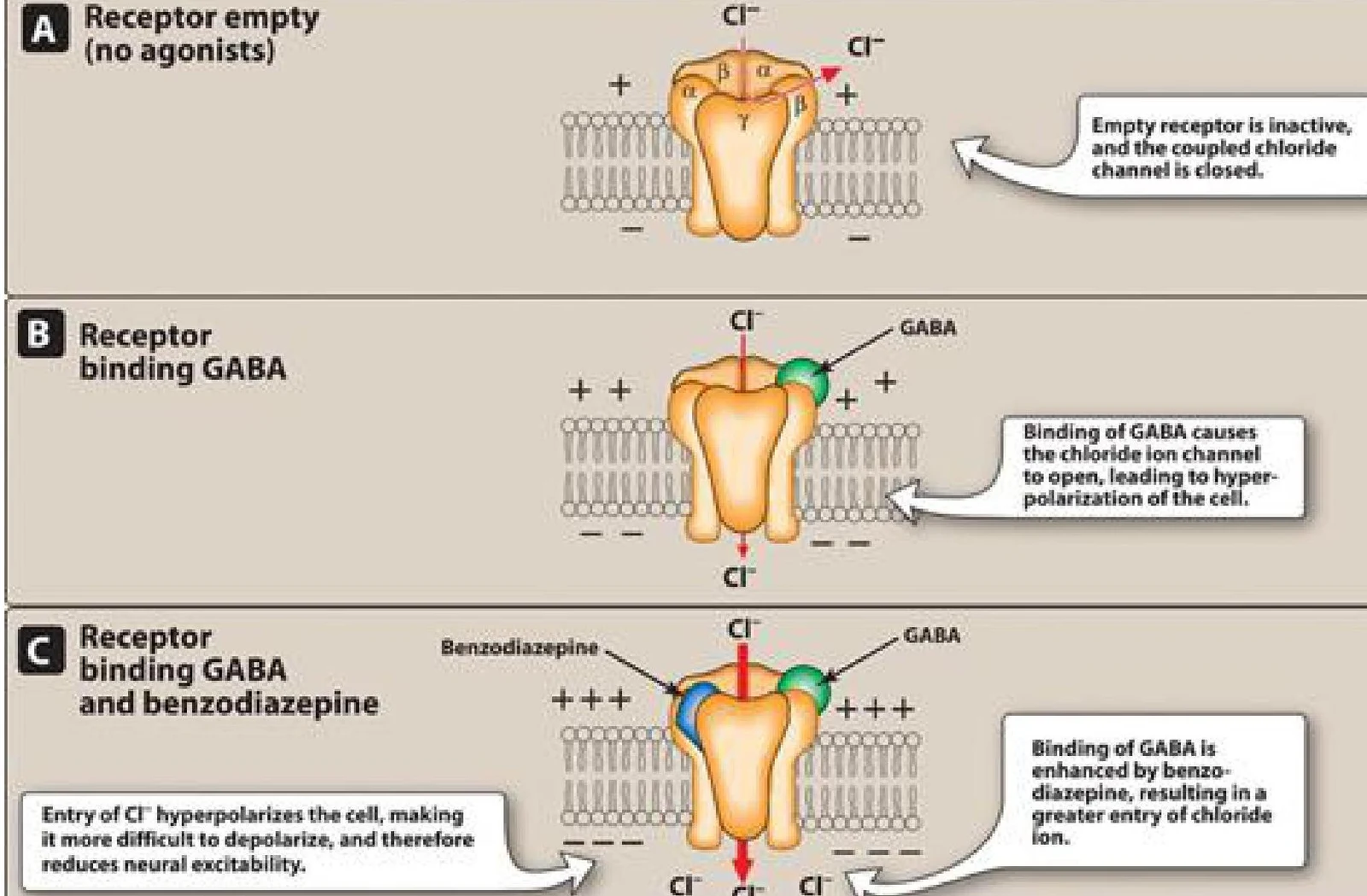
Ionotropic receptors are ligand-gated ion channels. When GABA binds to these receptors, they undergo a conformational change that opens an intrinsic pore, allowing specific ions to flow across the neuronal membrane.
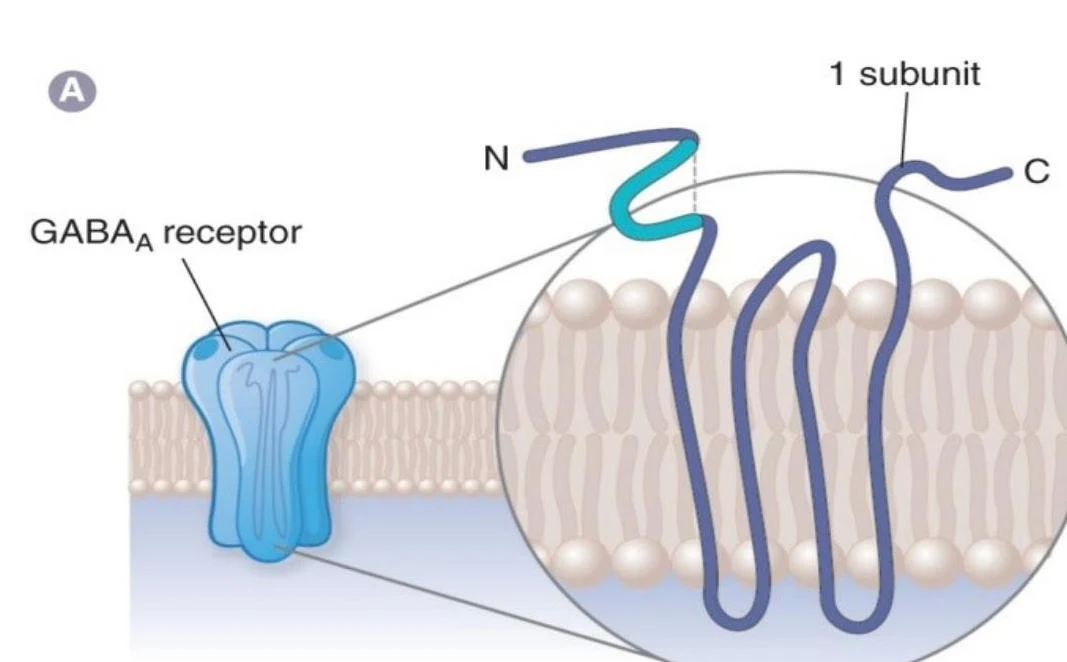
- Receptors: These are the most pharmacologically significant receptors in the CNS. They are pentameric transmembrane glycoproteins, meaning they are composed of five subunits arranged around a central pore.
- Receptors: These are also ionotropic but are primarily restricted to the retina, and currently, no drugs are used to target them clinically.
Metabotropic GABA Receptors
Unlike ionotropic receptors, receptors are G protein-coupled receptors (GPCRs). They do not form an ion pore themselves. Instead, they function through second messenger systems to indirectly activate neuronal potassium () channels.
Receptor Structure and Function
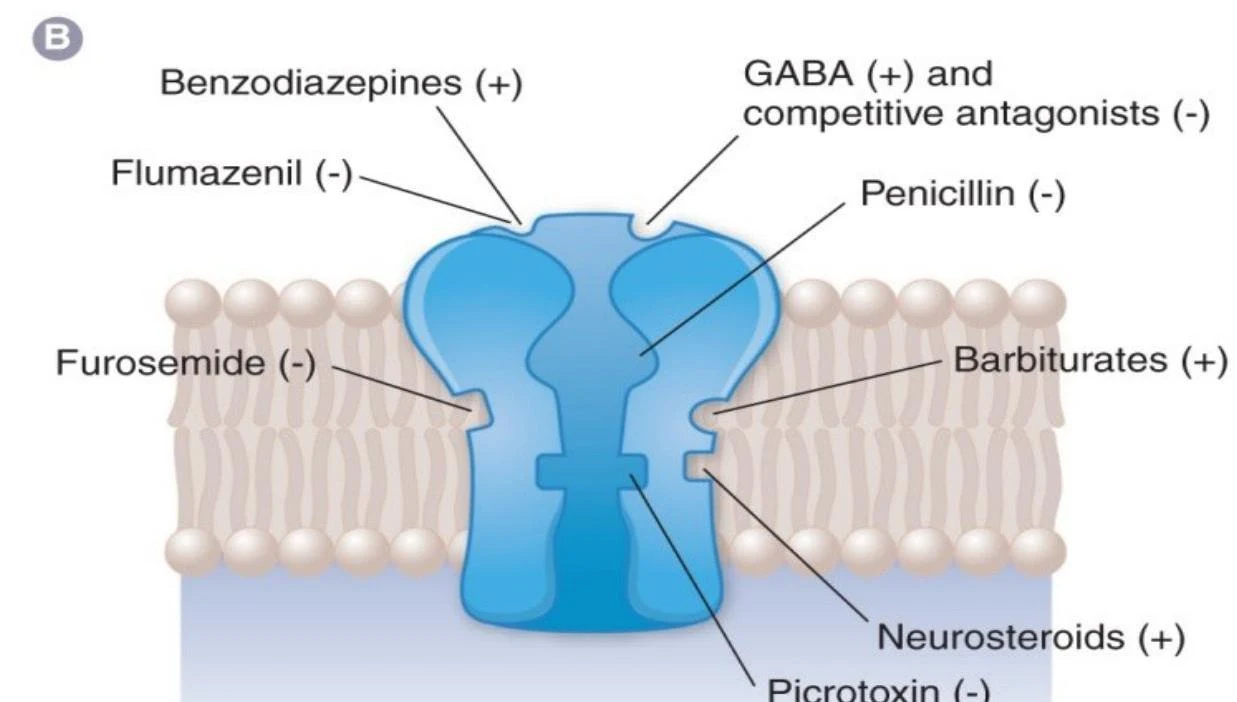
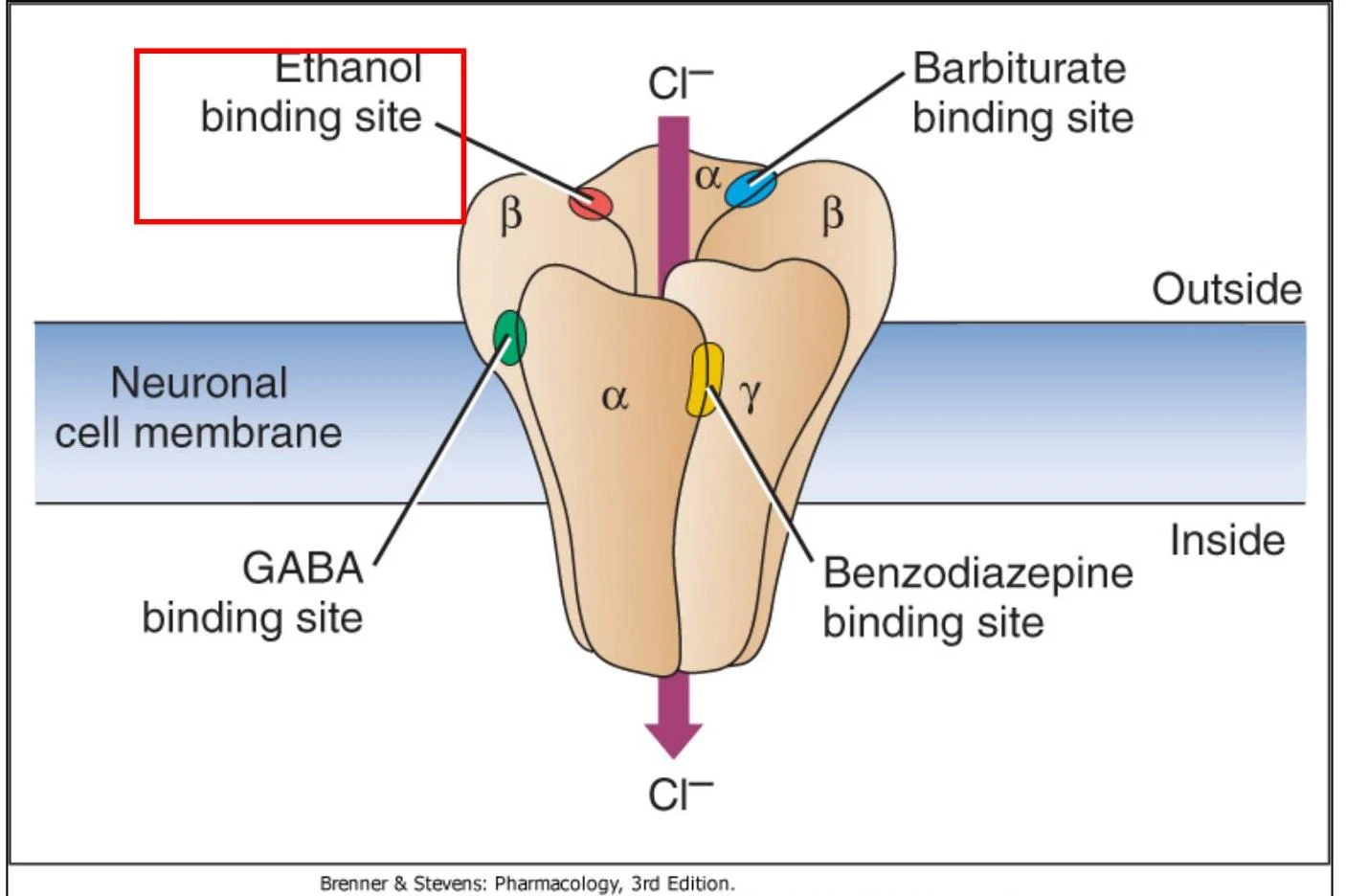
The receptor is a complex molecular machine. Its pentameric structure is typically composed of different subtypes of , , and subunits.
Keep reading for free.
Create an account to finish this reading and make it part of your study routine.
Continue reading freeAlready have an account? Log in
Updated