


Ovarian, fallopian tube, and primary peritoneal cancers represent a complex group of malignancies that require highly specialized multidisciplinary care. Because these tumors often present at advanced stages, the approach to management must integrate precise surgical intervention, detailed histological classification, and advanced molecular profiling to optimize patient outcomes. According to the NCCN Guidelines, the cornerstone of effective management is early referral to a gynecologic oncologist, as expert surgical debulking is strongly associated with improved survival.
Clinical Management and Surgical Strategies
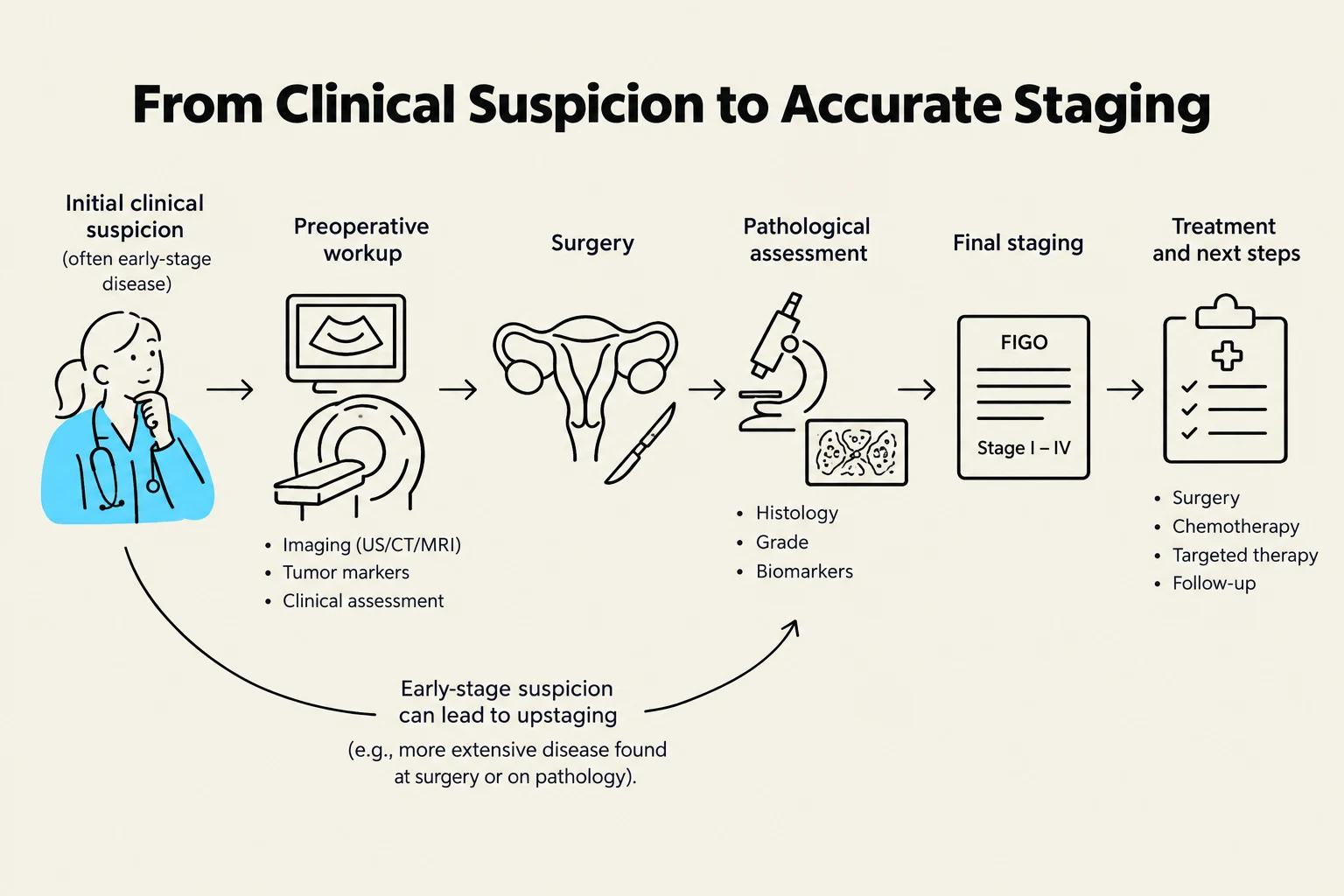
The primary goal of surgical management is optimal cytoreduction—the removal of as much visible tumor as possible. The choice of surgical approach is heavily dependent on the patient's clinical stage, tumor histology, and overall fitness for surgery.
Standard Surgical Approaches
For patients with advanced-stage disease who are considered good surgical candidates, the standard of care involves comprehensive surgical staging and debulking. However, for patients who are poor surgical candidates or where there is a low likelihood of achieving optimal cytoreduction, neoadjuvant chemotherapy (NACT) is recommended. Following a response to NACT, patients typically undergo interval debulking surgery (IDS) with completion hysterectomy/BSO (bilateral salpingo-oophorectomy) and cytoreduction.
Fertility-Sparing Considerations
In specific scenarios, particularly for patients desiring to preserve fertility, fertility-sparing surgery (such as unilateral salpingo-oophorectomy) may be considered. This is generally reserved for:
- Early-stage disease (Stage IA or IB).
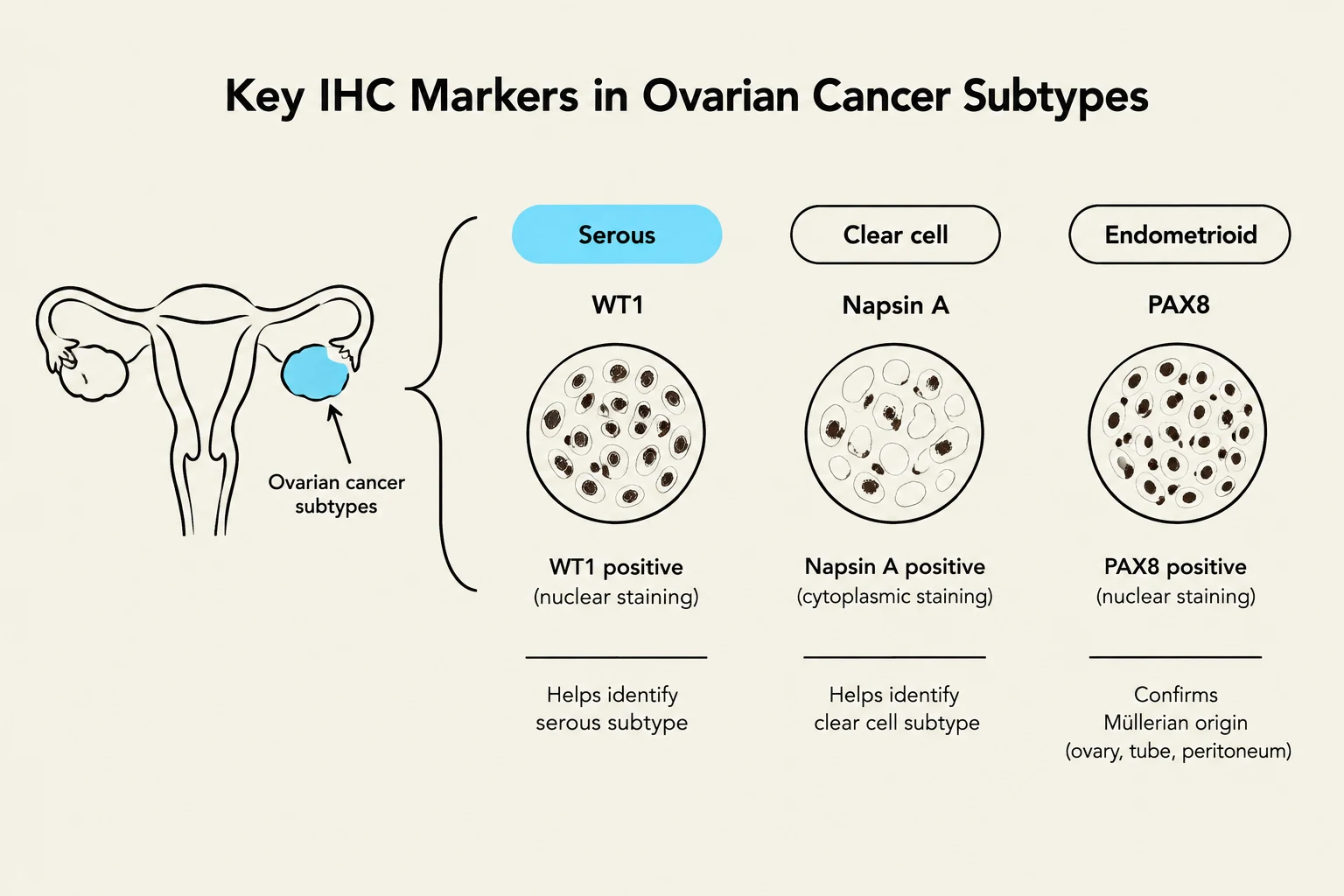
- Low-risk histological subtypes, such as malignant germ cell tumors or sex cord-stromal tumors.
Clinical Pearl: When considering fertility-sparing surgery, clinicians must ensure the histology is low-risk. For example, in certain cases of stage IC high-grade serous or endometrioid carcinoma, adjuvant therapy may still be required despite the preservation of the uterus.

Keep reading for free.
Create an account to finish this reading and make it part of your study routine.
Continue reading freeAlready have an account? Log in
Updated