


Navigating the complexities of pediatric care requires an integrated understanding of how neurological, developmental, and oncological conditions intersect. For clinicians, particularly those in physical and occupational therapy, the challenge lies in distinguishing between permanent structural damage, neurodevelopmental differences, and the transient but profound physiological shifts caused by intensive medical treatments. This article explores the clinical presentations, pathophysiology, and intervention strategies for three critical areas: Pediatric Oncology, Autism Spectrum Disorder (ASD), and Cerebral Palsy (CP).
Pediatric Oncology: Managing the Effects of Treatment
Pediatric cancers are diverse, but the most common types include lymphomas, sarcomas, nervous system tumors, and leukemias. Among these, leukemia is the most prevalent, with Acute Lymphoblastic Leukemia (ALL) accounting for approximately 80% of cases.
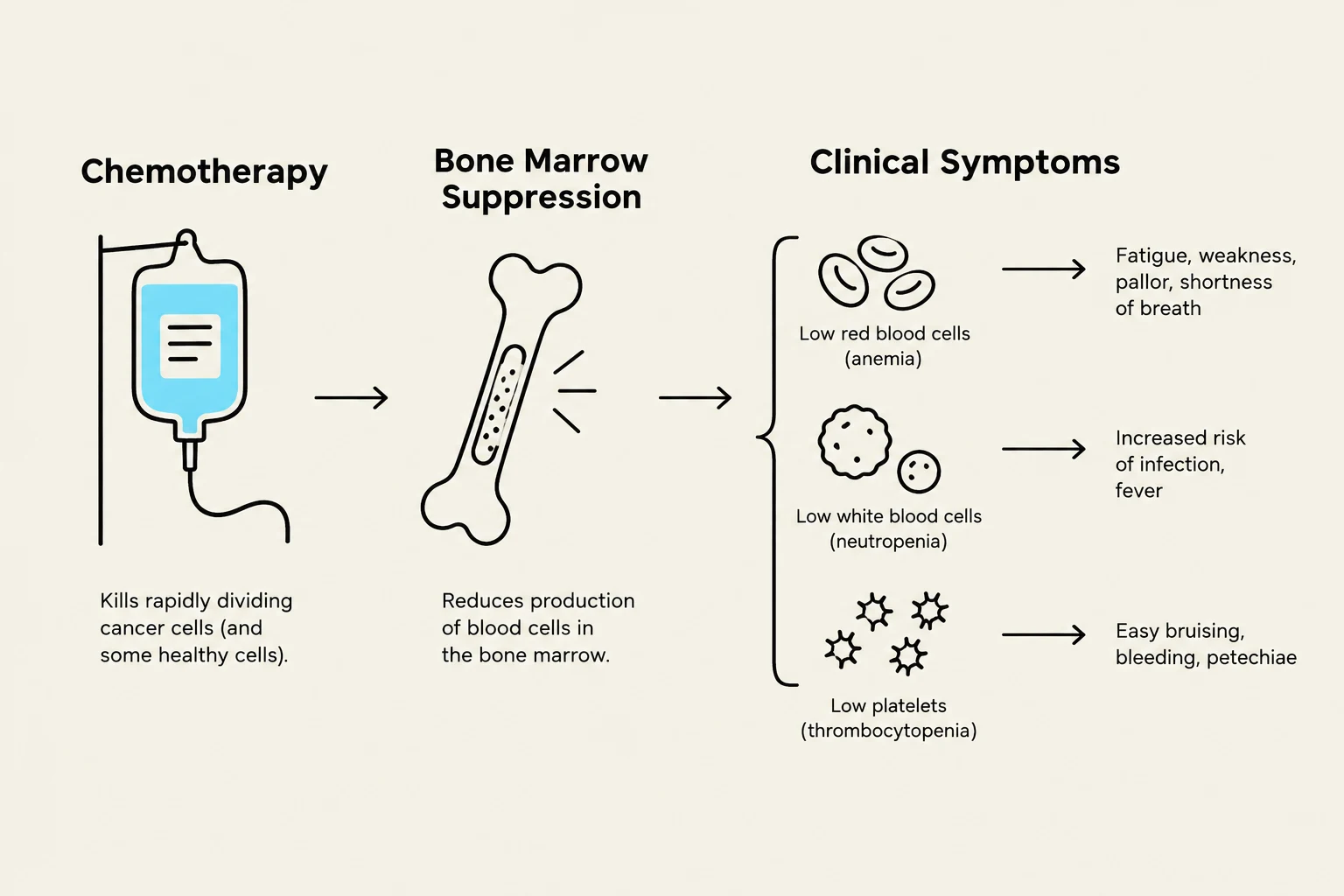
While the primary goal of oncology is to eliminate malignant cells, the systemic impact of chemotherapy often creates significant barriers to rehabilitation. A central concern is myelosuppression (bone marrow suppression), where the treatment reduces the production of essential blood cells. This leads to:
- Anemia: Low red blood cell counts resulting in fatigue, pallor, and reduced exercise tolerance.
- Neutropenia: Low white blood cell counts, which significantly increases the risk of infection.
- Thrombocytopenia: Low platelet counts, increasing the risk of bruising and bleeding.
Beyond blood counts, specific drugs carry unique neurological risks. For example, Vincristine is known to cause Chemotherapy-Induced Peripheral Neuropathy (CIPN). This often manifests as weakness in ankle dorsiflexion, leading to a characteristic foot drop and a compensatory "steppage" gait.
Clinical Tip: Exercise Prescription based on Blood Values When treating pediatric oncology patients, exercise intensity must be strictly moderated by blood counts:
- White Blood Cells: If < 5,000 with fever, avoid all aerobic exercise.
- Platelets: If < 10,000, avoid all resistance exercise due to bleeding risk.
- Hemoglobin: If < 8 g/dL, limit activity to essential daily tasks only.
Keep reading for free.
Create an account to finish this reading and make it part of your study routine.
Continue reading freeAlready have an account? Log in
Updated