


In any healthcare setting, the primary responsibility of the clinician is to "do no harm." Client safety is not merely a set of rules but a proactive culture of risk mitigation designed to prevent injury, minimize complications, and protect the rights of the individual. This article explores the three pillars of safety: preventing falls, managing restraints ethically and legally, and implementing environmental precautions for acute events like seizures.
Fall Prevention Strategies
Falls are among the most common adverse events in healthcare settings, often leading to fractures, head injuries, and a loss of independence. Risk mitigation begins with a thorough assessment of the client's mobility, cognitive status, and medication profile.
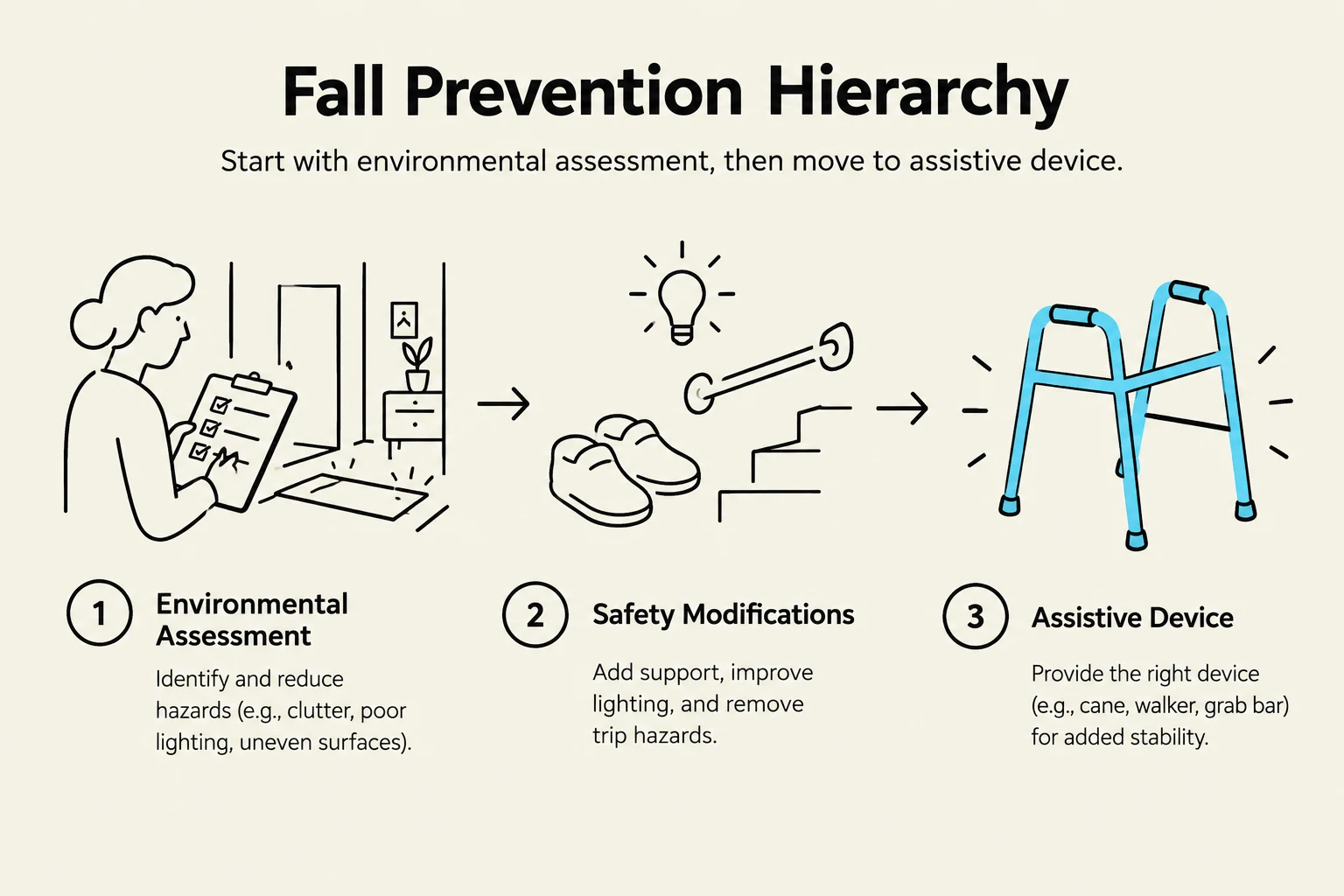
Effective fall prevention is multi-layered. It involves environmental modifications—such as ensuring adequate lighting and removing tripping hazards—and individual interventions, such as providing assistive devices (walkers, canes) or implementing frequent rounding.
Exam Tip: When answering questions about fall prevention, always prioritize the least restrictive intervention first. For example, if a client is confused, placing them in a room closer to the nurse's station is a safer, less intrusive first step than requesting a restraint.
High-Risk Factors
Clinicians should be particularly vigilant with clients who exhibit:
- Orthostatic Hypotension: A sudden drop in blood pressure upon standing.
- Polypharmacy: The use of multiple medications, especially sedatives or diuretics.
- Altered Mental Status: Confusion or delirium that impairs judgment regarding physical limits.

Keep reading for free.
Create an account to finish this reading and make it part of your study routine.
Continue reading freeAlready have an account? Log in
Updated