


In pediatric gastroenterology, the term "diarrhea" is frequently used, but its clinical implications vary significantly depending on when the symptoms begin and their underlying cause. For clinicians and students, distinguishing between different types of diarrhea is the first and most critical step in determining whether a patient requires immediate intensive care, genetic testing, or simple dietary management.
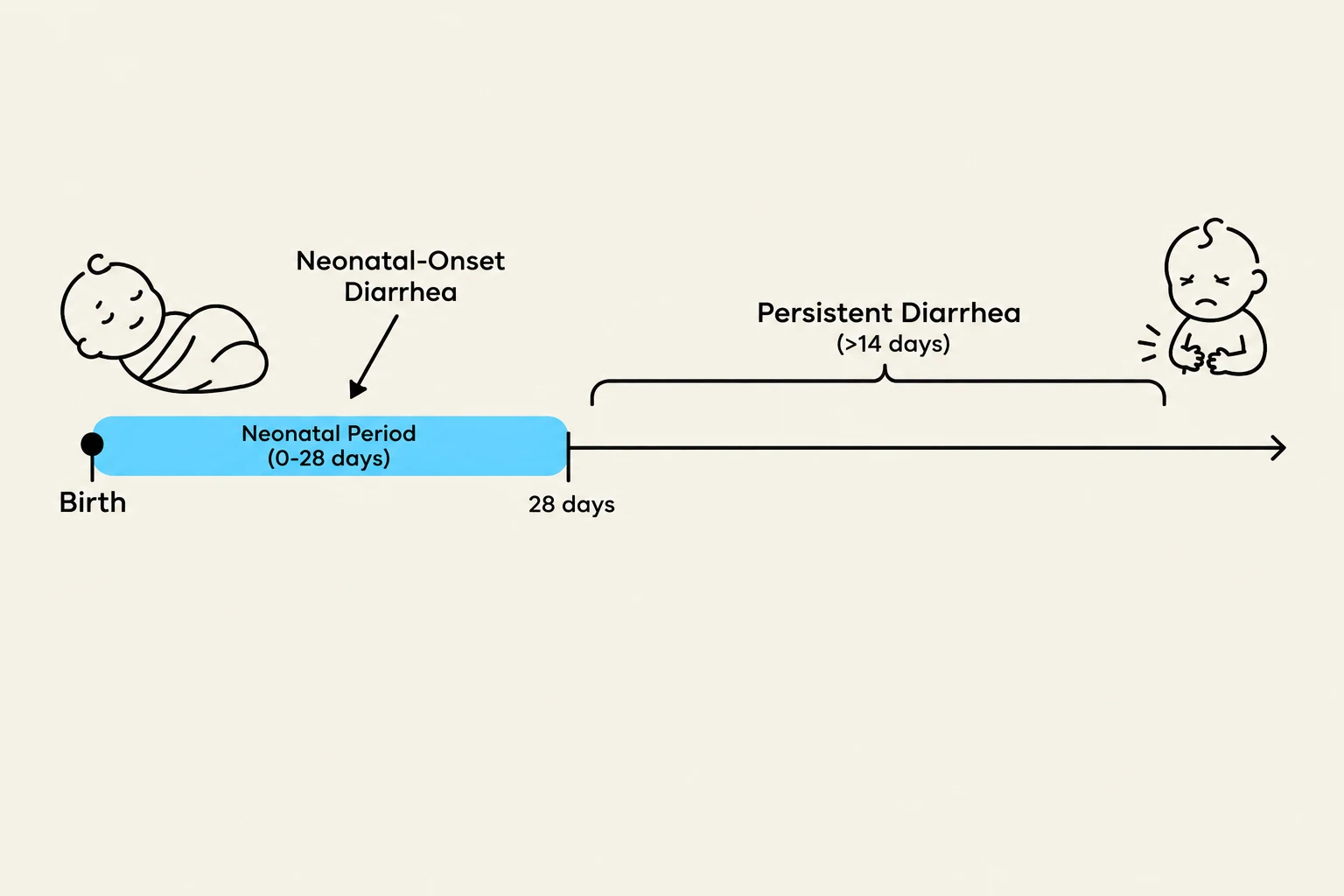
This article explores the essential distinctions between congenital, genetic, neonatal-onset, and persistent diarrhea to provide a clear framework for diagnosis and management.
Understanding the Temporal Framework: Neonatal-Onset vs. Persistent Diarrhea
The first way to classify diarrhea in infants is by looking at the timeline of symptom onset and duration.
Neonatal-Onset Diarrhea
Neonatal-onset diarrhea refers to symptoms that manifest within the first few days or weeks of life. Because this period is a time of rapid physiological transition, distinguishing between benign physiological responses and serious pathology is vital. When diarrhea begins immediately after birth or during the first week of life, clinicians must prioritize ruling out acute infections or structural abnormalities.
Persistent Diarrhea
In contrast, "persistent" refers to the duration of the episode rather than the specific moment of onset. While definitions can vary slightly between clinical guidelines, persistent diarrhea is generally characterized by loose or watery stools that continue for an extended period—often defined as lasting beyond 14 days.
Clinical Tip: Always distinguish between acute diarrhea (short-term, often infectious) and persistent diarrhea (long-term, potentially indicating malabsorption or underlying chronic disease).
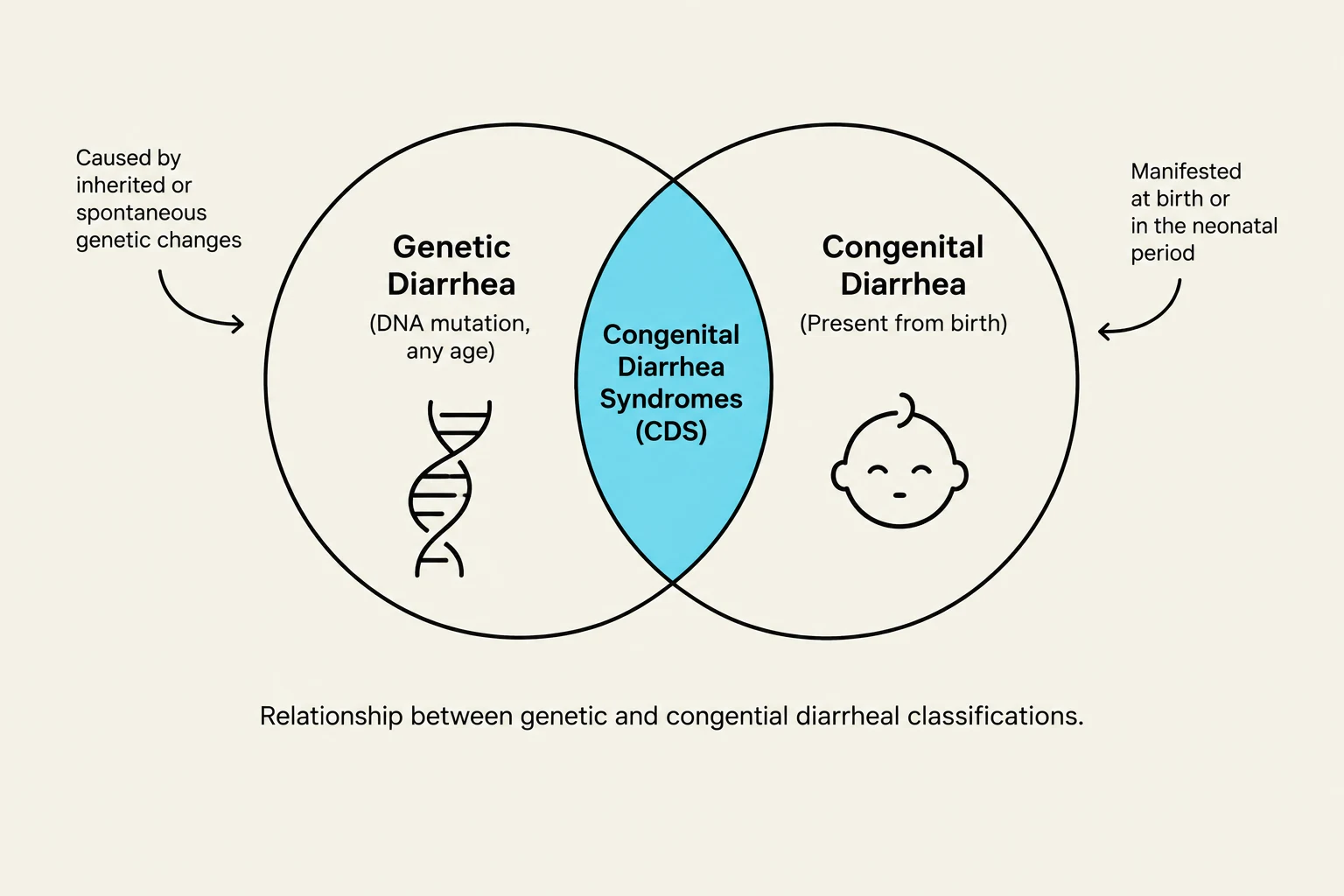
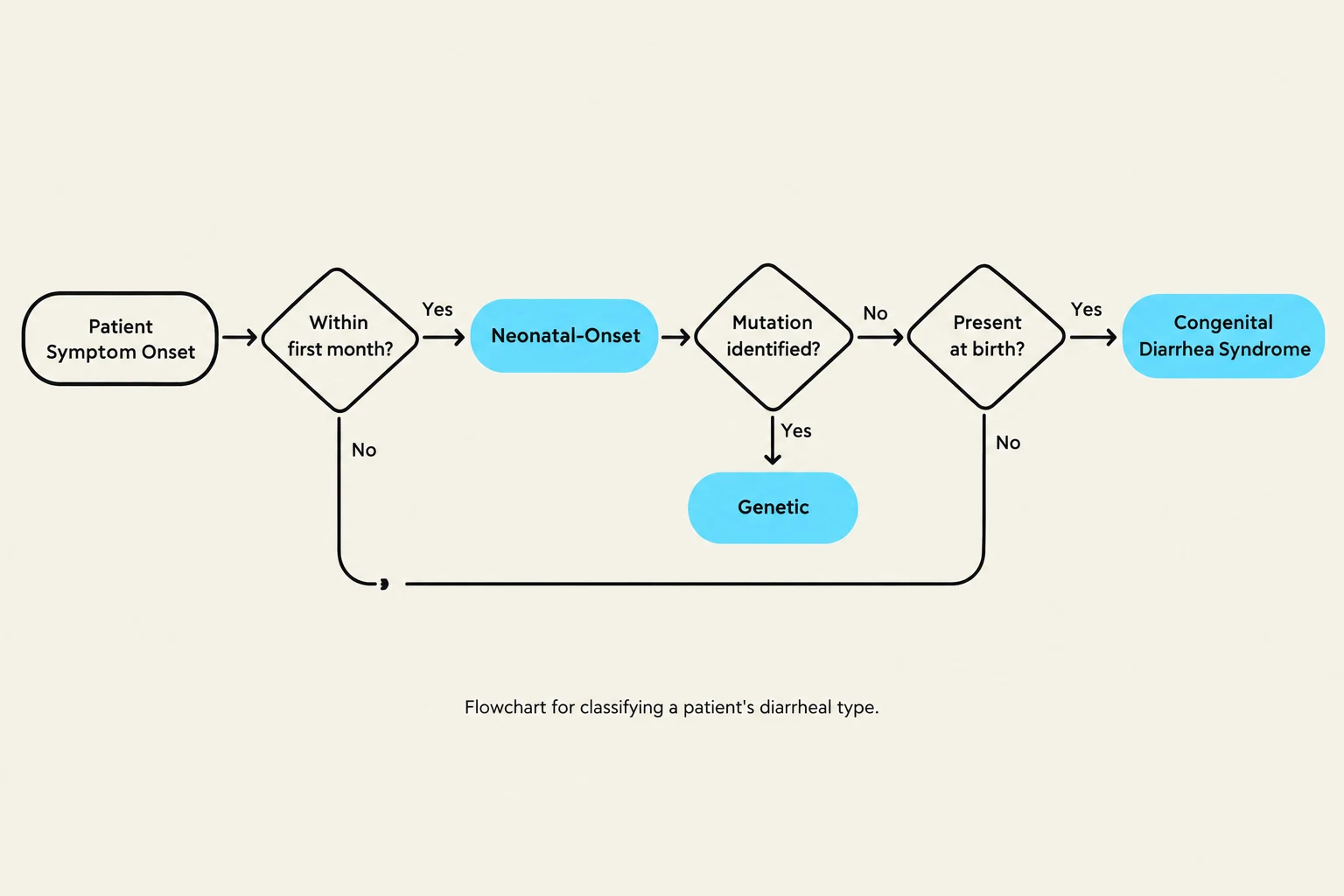
Keep reading for free.
Create an account to finish this reading and make it part of your study routine.
Continue reading freeAlready have an account? Log in
Updated