


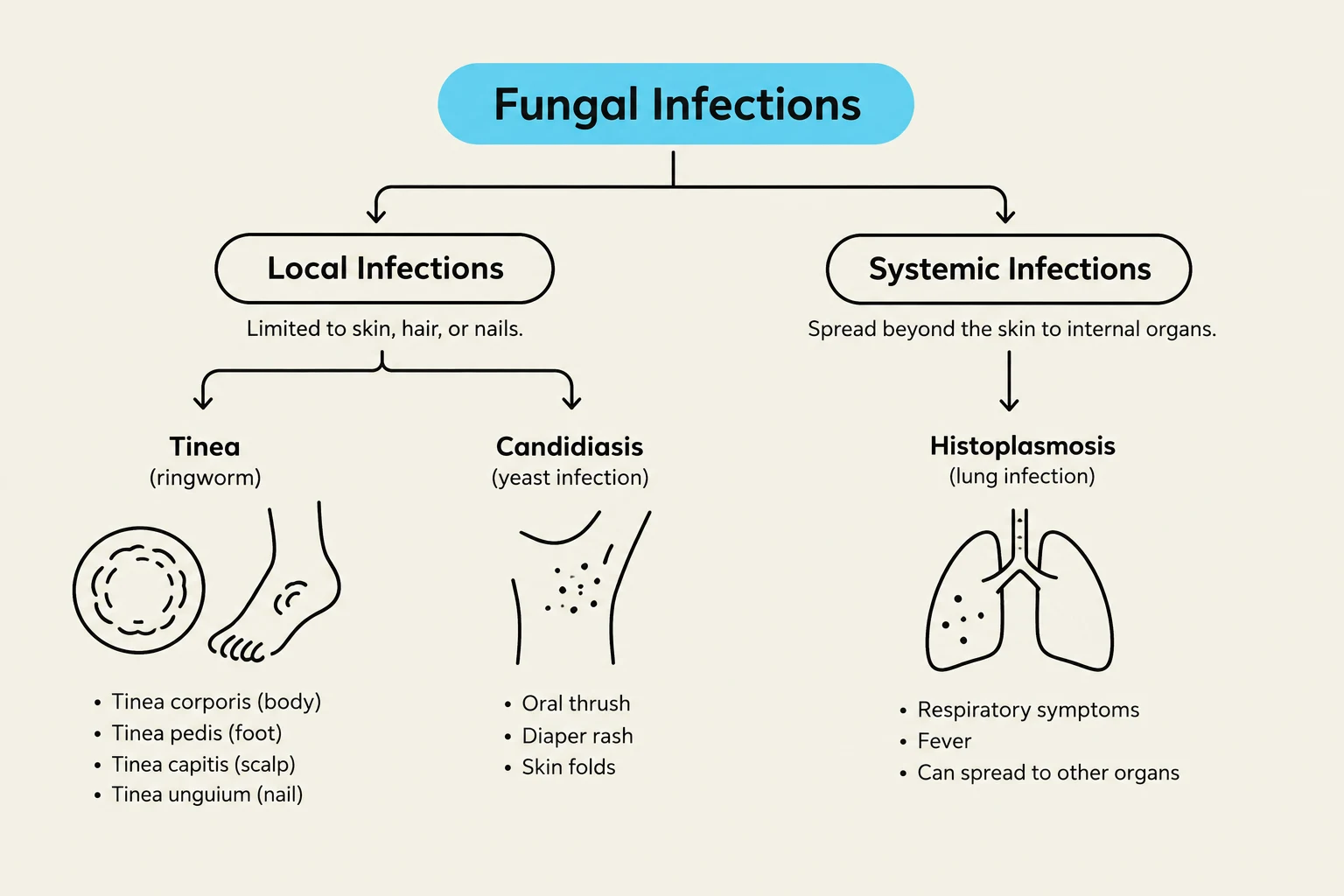
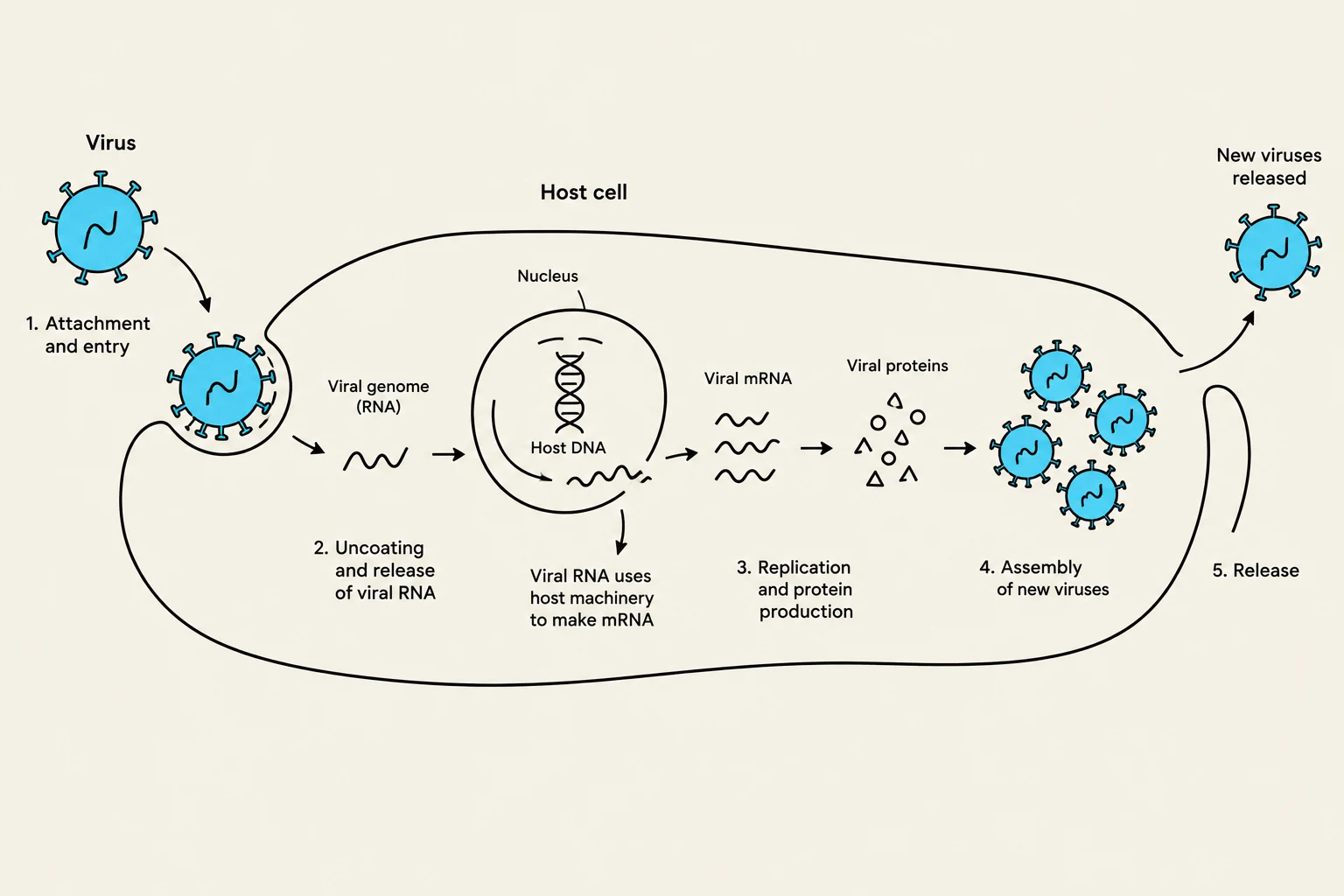
Understanding the nature of infectious agents is a fundamental requirement for healthcare professionals. To effectively treat a patient, one must distinguish between the various types of pathogens—bacteria, viruses, and fungi—and understand how they are classified and treated. This article explores the terminology of antimicrobial therapy and the specific characteristics used to identify different classes of microorganisms.
Terminology of Antimicrobial Therapy
In clinical practice, terms related to the destruction of microorganisms are often used interchangeably, but they have distinct technical definitions.
An antibiotic technically refers to a chemical substance produced by one type of microorganism that inhibits the growth of or kills another microorganism. However, in a broader clinical sense, we use the terms antimicrobials and antibacterials to describe substances that inhibit the growth of or kill various microscopic organisms, including bacteria, viruses, and fungi. Antibacterial drugs specifically target bacteria and can be sourced either from natural origins or through synthetic manufacturing.
Clinical Note: While "antibiotic" is often used by patients to refer to any infection medicine, remember that antibiotics are ineffective against viruses. Using them for viral infections contributes to antibiotic resistance.
Bacterial Classification and Morphology
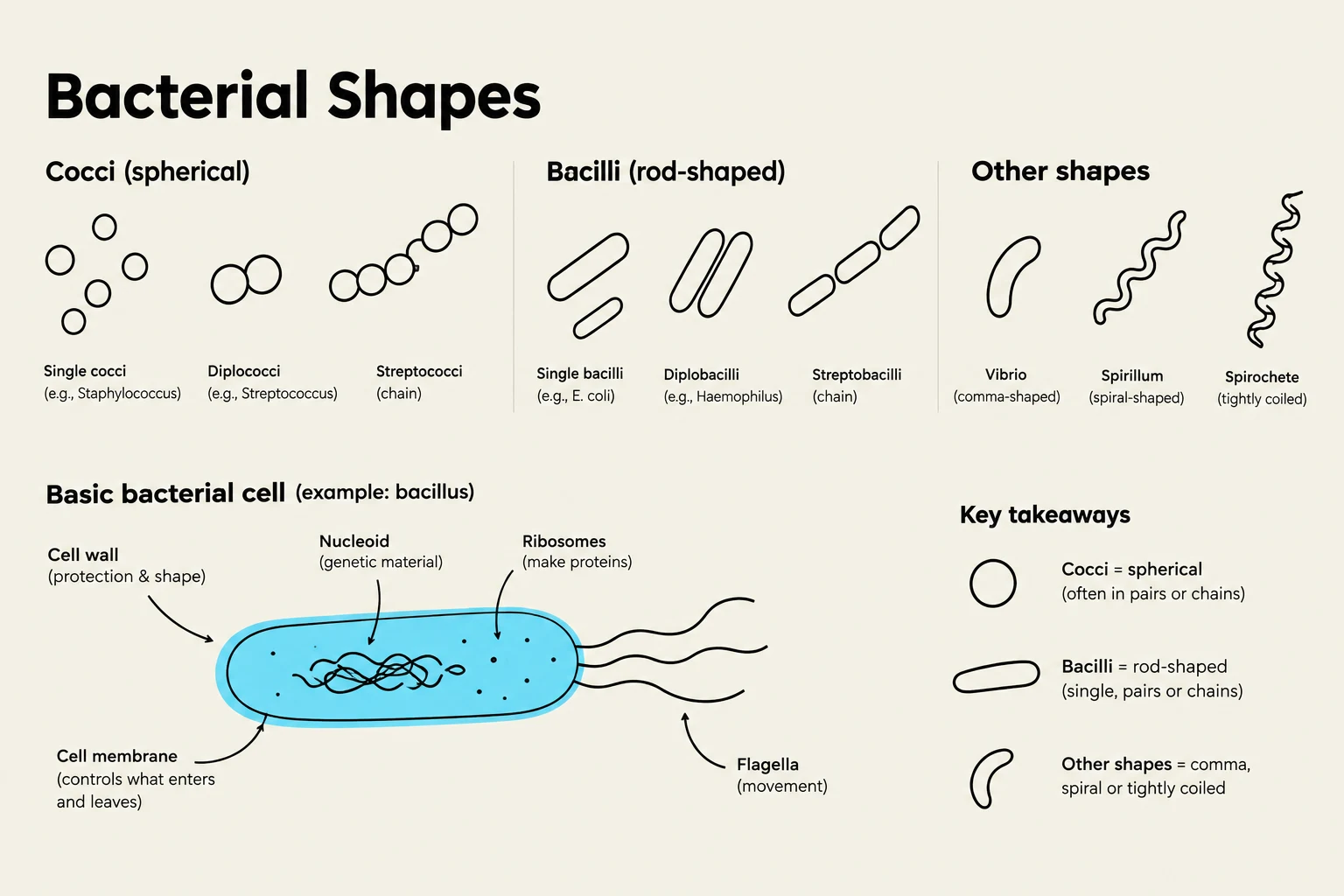
Bacteria are classified in several ways to help clinicians identify the causative agent of an infection. One primary method is based on the physical appearance (morphology) of the bacteria under a microscope.
Shape and Arrangement
Bacteria are generally categorized into two main shapes:
- Bacilli: Rod-shaped bacteria.
- Cocci: Spherical or round bacteria.
When examining cocci, their arrangement is a critical diagnostic clue. If the spherical bacteria appear in clusters, they are termed staphylococci. If they are arranged in long chains, they are termed streptococci.
Keep reading for free.
Create an account to finish this reading and make it part of your study routine.
Continue reading freeAlready have an account? Log in
Updated