


Parasitic infections represent a diverse group of diseases caused by organisms that live on or inside a host to obtain nutrients, often at the host's expense. These infections can range from single-celled protozoa to complex multicellular worms and external parasites like mites or lice. Because the biological structures of these parasites vary significantly, medical treatment requires specialized classes of drugs designed to target specific physiological processes within the parasite.
For healthcare professionals, understanding these classifications is vital for selecting appropriate therapies, monitoring for life-threatening adverse reactions, and providing essential patient education.
Antiprotozoal Agents
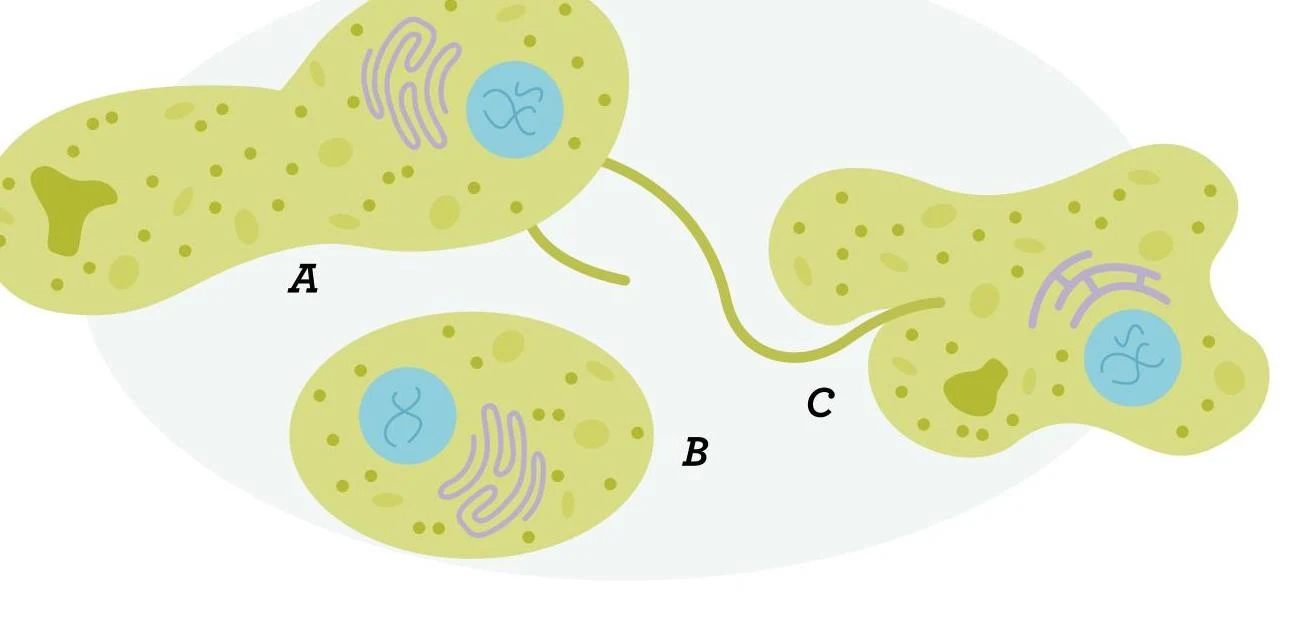
Protozoa are single-celled organisms that can cause a variety of systemic infections, including malaria, giardiasis, and trichomoniasis. Antiprotozoal agents are designed to disrupt the cellular processes or metabolic pathways of these microscopic organisms.
A common example of an antiprotozoal medication is metronidazole. While effective, this medication is frequently associated with specific side effects that can cause patient anxiety if not addressed through education.
Clinical Note: Metronidazole Education Patients taking metronidazole should be informed that they may experience a metallic taste in the mouth and darkened urine. These are considered expected side effects and generally do not require discontinuation of the medication.
Antimalarial Agents
Malaria is a severe protozoal infection caused by the Plasmodium parasite. Antimalarial agents function by targeting the specific life cycle stages of the parasite within the human host.
Keep reading for free.
Create an account to finish this reading and make it part of your study routine.
Continue reading freeAlready have an account? Log in
Updated