


Diabetes mellitus is a chronic multisystem disease characterized by abnormal insulin production, impaired insulin utilization, or both. While acute complications like Diabetic Ketoacidosis (DKA) require immediate intervention, the long-term management of diabetes is often defined by the prevention of chronic complications. These complications are primarily driven by angiopathy—a disease of the blood vessels that occurs secondary to chronic hyperglycemia.
Understanding Angiopathy
Angiopathy refers to damage to the blood vessels caused by prolonged exposure to high blood glucose levels. This damage is categorized into two distinct types based on the size of the vessels affected: macrovascular and microvascular complications.
Macrovascular Complications
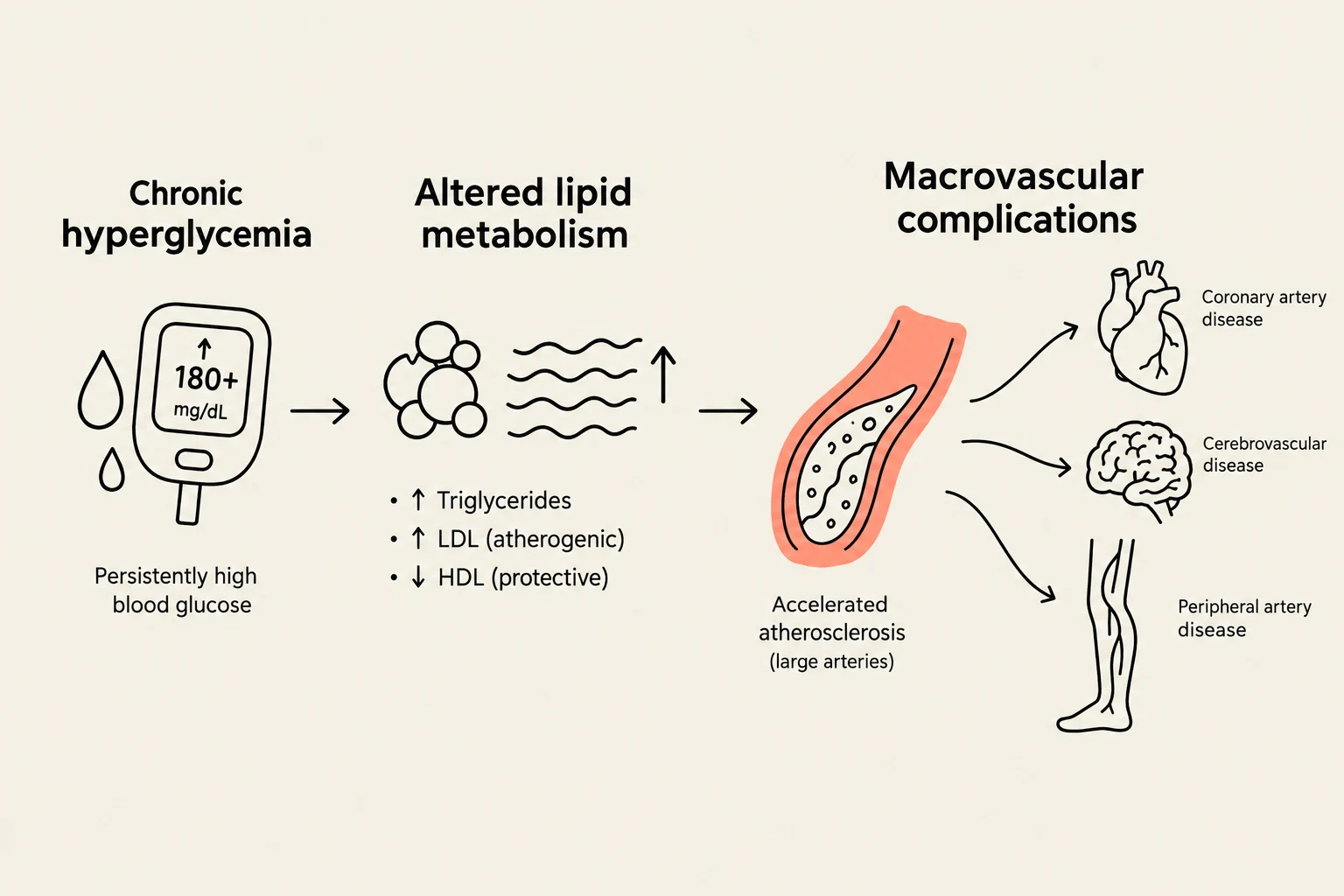
Macrovascular complications involve diseases of the large and medium-sized blood vessels. These conditions often occur with greater frequency and an earlier onset in individuals with diabetes compared to the general population. The development of these vascular issues is heavily promoted by altered lipid metabolism, which is common in diabetic patients.
Key manifestations include:
- Cerebrovascular disease: Increasing the risk of stroke.
- Cardiovascular disease: A major contributing factor to mortality.
- Peripheral Vascular Disease (PVD): Reduced blood flow to the extremities.
Risk factors for macrovascular disease include obesity, smoking, hypertension, high fat intake, and a sedentary lifestyle. While these processes are progressive, tight glucose control may help delay the onset of atherosclerosis.
Microvascular Complications
Microvascular complications result from the thickening of vessel membranes in the capillaries and arterioles in response to chronic hyperglycemia. Unlike macrovascular issues, these clinical manifestations typically appear after 10 to 20 years of living with diabetes.

Keep reading for free.
Create an account to finish this reading and make it part of your study routine.
Continue reading freeAlready have an account? Log in
Updated