


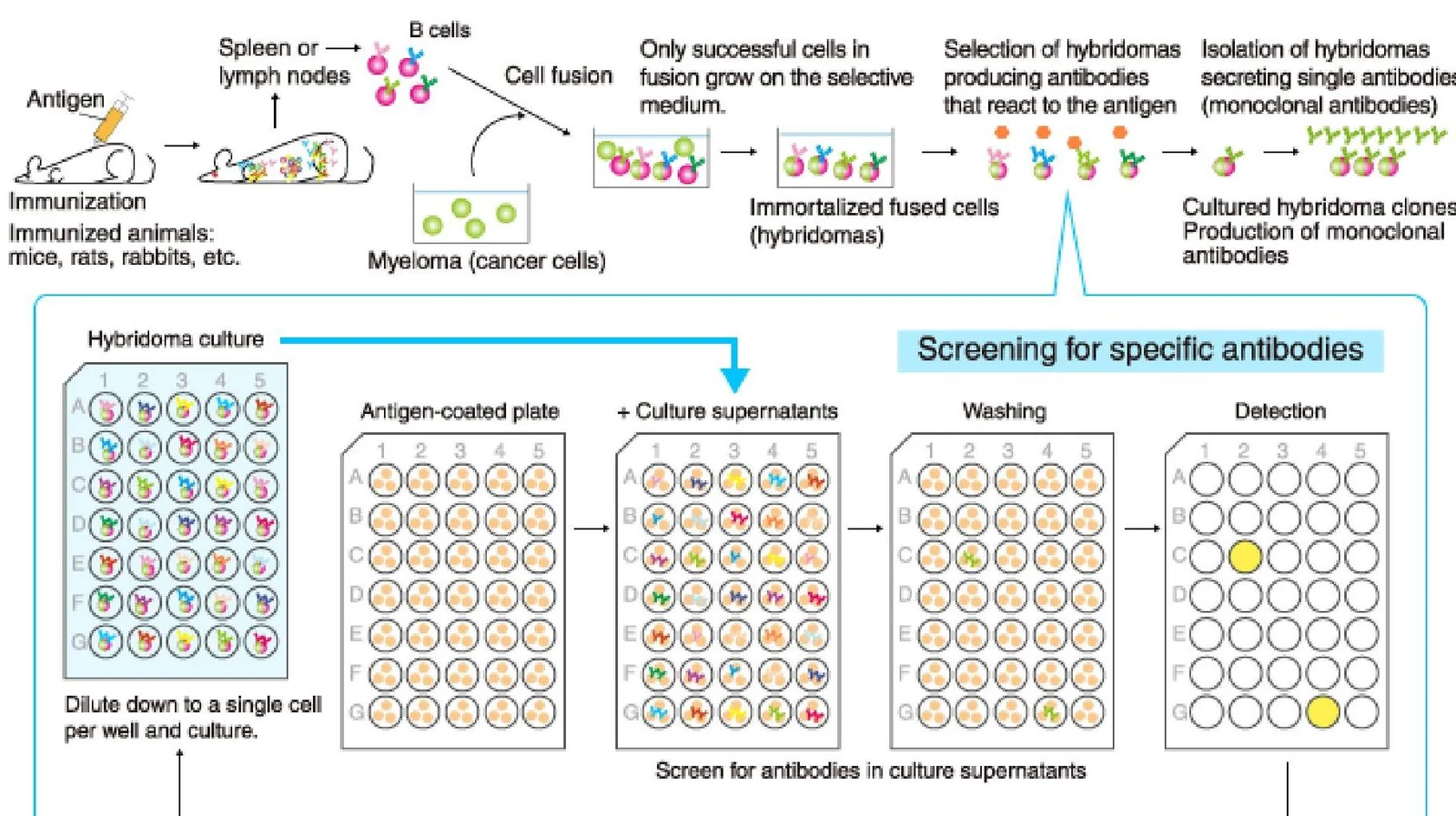
In the field of immunology and biotechnology, the ability to target specific molecules with precision is a cornerstone of modern medicine. Monoclonal antibodies (mAbs) represent one of the most significant advancements in this pursuit. Unlike polyclonal antibodies, which are a mixture of antibodies that recognize various parts of an antigen, monoclonal antibodies are a homogeneous population. They are secreted by a single plasma cell clone derived from a single B-lymphocyte precursor, ensuring that every antibody in the batch is identical.
Characteristics of Monoclonal Antibodies
The defining feature of a monoclonal antibody is its high specificity. Because they originate from a single cell lineage, they are directed against one specific epitope—a particular site on an antigen molecule.
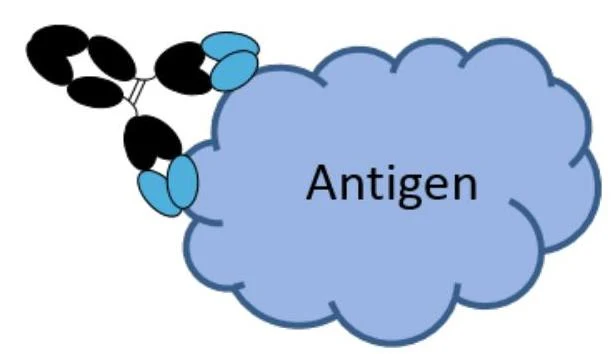
This specificity offers several advantages in clinical and diagnostic settings:
- High Homogeneity: Batch-to-batch reproducibility is high because the antibodies are identical.
- Low Cross-reactivity: They show high specificity to a single epitope, reducing "background noise" in assays.
- Quantification: They increase sensitivity when measuring specific protein levels.
However, these advantages come with trade-offs. Producing mAbs is more expensive and time-consuming (often taking approximately 6 months) compared to polyclonal antibodies.
Therapeutic Classification: Understanding Suffixes
When looking at pharmaceutical drugs, the name of a monoclonal antibody often reveals its biological origin. As biotechnology has evolved, scientists have worked to make these antibodies more "human" to prevent the patient's immune system from rejecting them.
The following suffixes are used to classify the composition of the mAb:
| Suffix | Type | Description |
|---|---|---|
| -omab | Murine | Derived entirely from mouse proteins. |
| -ximab | Chimeric | A combination of mouse and human proteins. |
| -zumab | Humanized | Contains only small portions of mouse protein fused to human proteins. |
| -umab | Human | Entirely composed of human proteins. |
Keep reading for free.
Create an account to finish this reading and make it part of your study routine.
Continue reading freeAlready have an account? Log in
Updated