


For many years, the organisms we now classify under Kingdom Chromista were grouped with true fungi due to their similar appearance and lifestyle. They grow in filamentous strands, produce spores, and are major causes of devastating plant diseases. However, modern science has revealed that they are biologically distinct from the Kingdom Fungi in terms of their genetics, biochemistry, and physiology.
Understanding Kingdom Chromista
Kingdom Chromista is a diverse group of eukaryotic organisms. While some members are microscopic, such as diatoms, others are massive, like giant kelp. Unlike true fungi, which have cell walls made of chitin, Chromista typically possess cell walls composed of glucans and cellulose. Furthermore, they lack the ability to synthesize ergosterol, a key component found in fungal cell membranes.
A defining morphological characteristic of many Chromista is their hyphae—the vegetative filaments that make up their bodies. Unlike many fungi that have septate hyphae (filaments divided by cross-walls called septa), many Chromista exhibit non-septate hyphae.
Exam Tip: If a question asks for the primary biochemical difference between Fungi and Chromista, remember: Fungi use chitin and ergosterol, while Chromista use cellulose/glucans and lack ergosterol.
Phylum Oomycota: The "Water Molds"
Within Kingdom Chromista, the Phylum Oomycota contains some of the most economically significant plant pathogens. These organisms are often referred to as "fungal-like" because of their filamentous growth, but their reproductive strategies and cellular structures set them apart.
Asexual and Sexual Reproduction
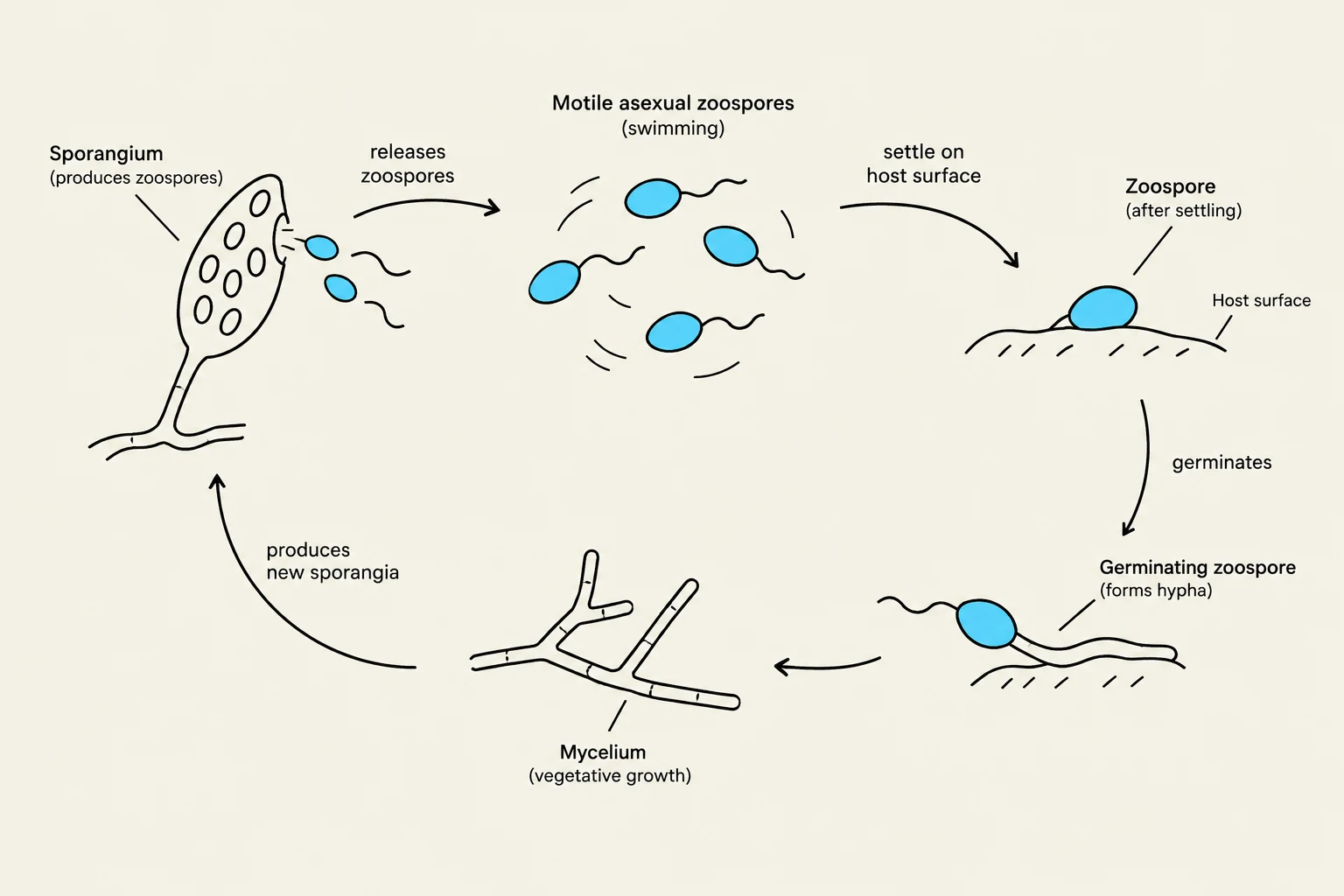
Oomycetes utilize two primary types of spores to complete their life cycles:
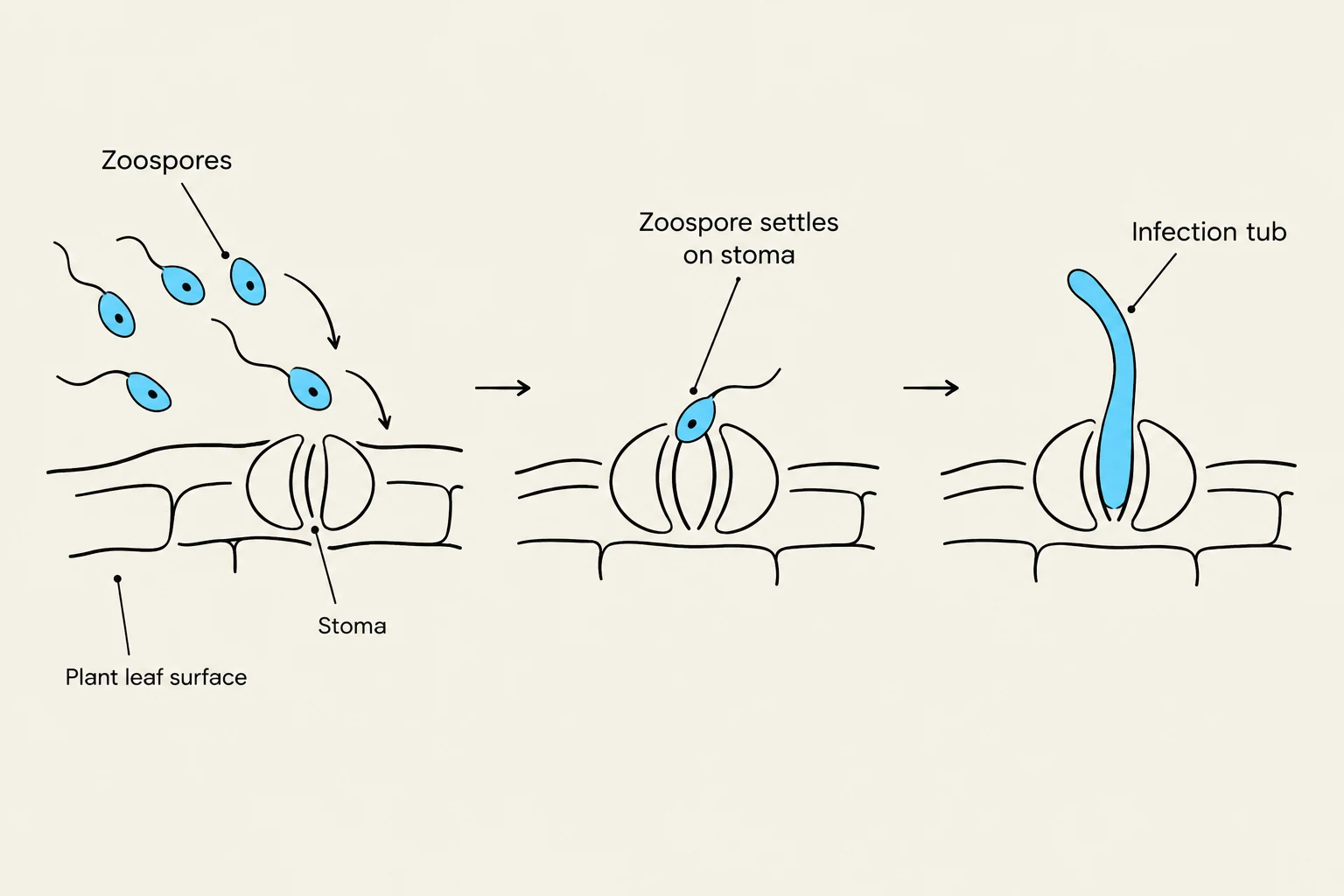
- Zoospores (Asexual): These are motile spores that can swim through water or films of moisture using two flagella. These flagella have different structures and functions, which distinguishes them from the single flagellum often seen in other groups.
- Oospores (Sexual): Following fertilization of an oogonium, a thick-walled sexual spore called an oospore is produced. These oospores are highly resistant and can survive in the soil for many years, making them difficult to eradicate.

Keep reading for free.
Create an account to finish this reading and make it part of your study routine.
Continue reading freeAlready have an account? Log in
Updated