


Cervical cancer remains a significant global health challenge, characterized by stark disparities in incidence and mortality based on geographic location and healthcare access. In regions like the United States, widespread screening programs have successfully contributed to a decreasing incidence of the disease. However, in many developing countries, mortality rates are rising, with approximately 275,000 deaths occurring annually, largely due to the lack of available screening and preventative resources. Understanding the progression from prevention to advanced management is essential for clinicians and students alike.
Prevention and Prognosis
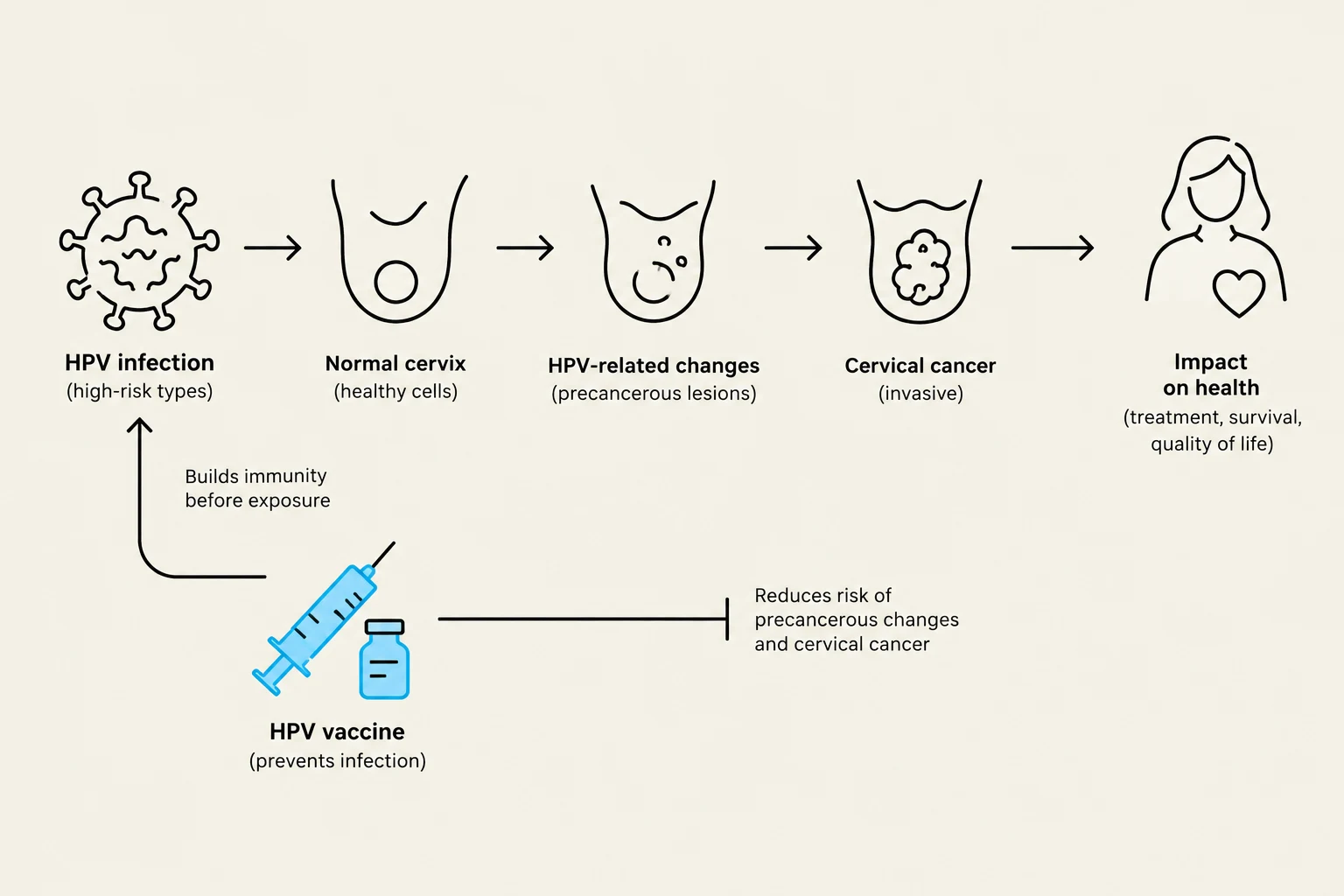
The cornerstone of cervical cancer prevention is the Human Papillomavirus (HPV) immunization. The HPV vaccine aims to prevent persistent infection with specific high-risk types of the virus, which are the primary drivers of cervical oncogenesis. By preventing these infections, the development of cervical cancer can be significantly mitigated.
The prognosis for a patient is heavily dependent on the clinical stage at the time of diagnosis.
- Early-stage disease (Stages I–II): When cancer is detected in these early stages, treatment options such as surgery or concurrent chemoradiation (the combination of radiation therapy and platinum-containing chemotherapy) can yield cure rates of approximately 80%.
- Stage III disease: As the disease progresses to Stage III, the cure rate decreases to approximately 60%.
Keep reading for free.
Create an account to finish this reading and make it part of your study routine.
Continue reading freeAlready have an account? Log in
Updated