


Every living cell requires a constant supply of energy to perform its functions. This energy is primarily delivered in the form of Adenosine Triphosphate (ATP). While cells can generate ATP through aerobic respiration—a highly efficient process that utilizes oxygen—they must have a "Plan B" for when oxygen is unavailable. This secondary pathway is known as fermentation. Understanding how cells transition between these states, and how certain substances can disrupt these delicate chemical balances, is fundamental to biology.
The Foundation: Glycolysis and Pyruvate
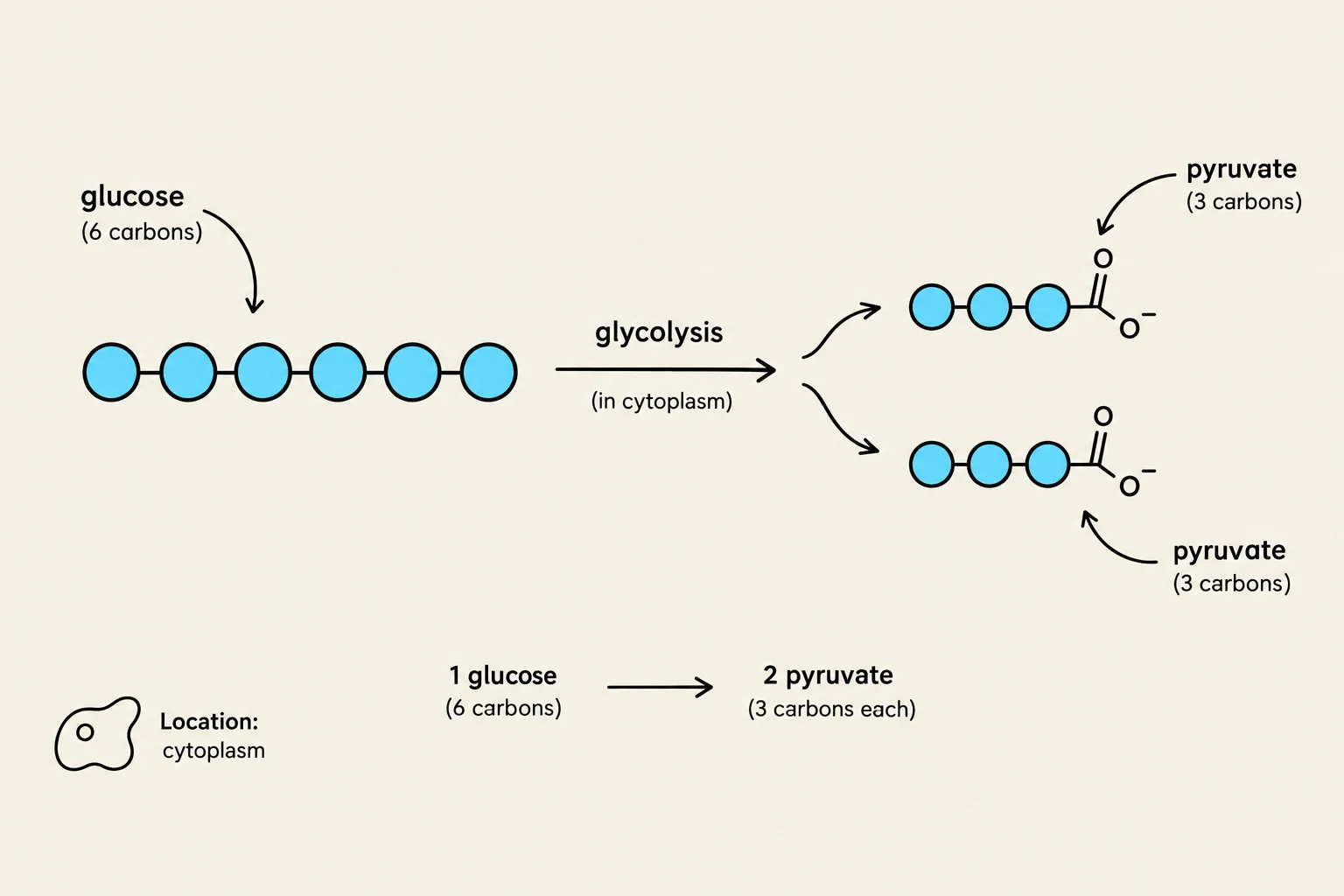
The first step in breaking down glucose for energy is glycolysis. This process occurs in the cytoplasm of the cell and does not require oxygen. During glycolysis, a single 6-carbon glucose molecule is broken down through ten enzymatic steps into two 3-carbon molecules called pyruvate.
While glycolysis is the starting point for both aerobic and anaerobic pathways, it provides a relatively small energy payoff. The net yield of glycolysis is only 2 ATP molecules per glucose molecule.
Key Concept: The fate of pyruvate is the "decision point" for the cell. If oxygen is present, pyruvate moves into the mitochondria to fuel the Krebs Cycle and the Electron Transport Chain. If oxygen is absent, the cell must resort to fermentation.
Fermentation: Energy in Anaerobic Conditions
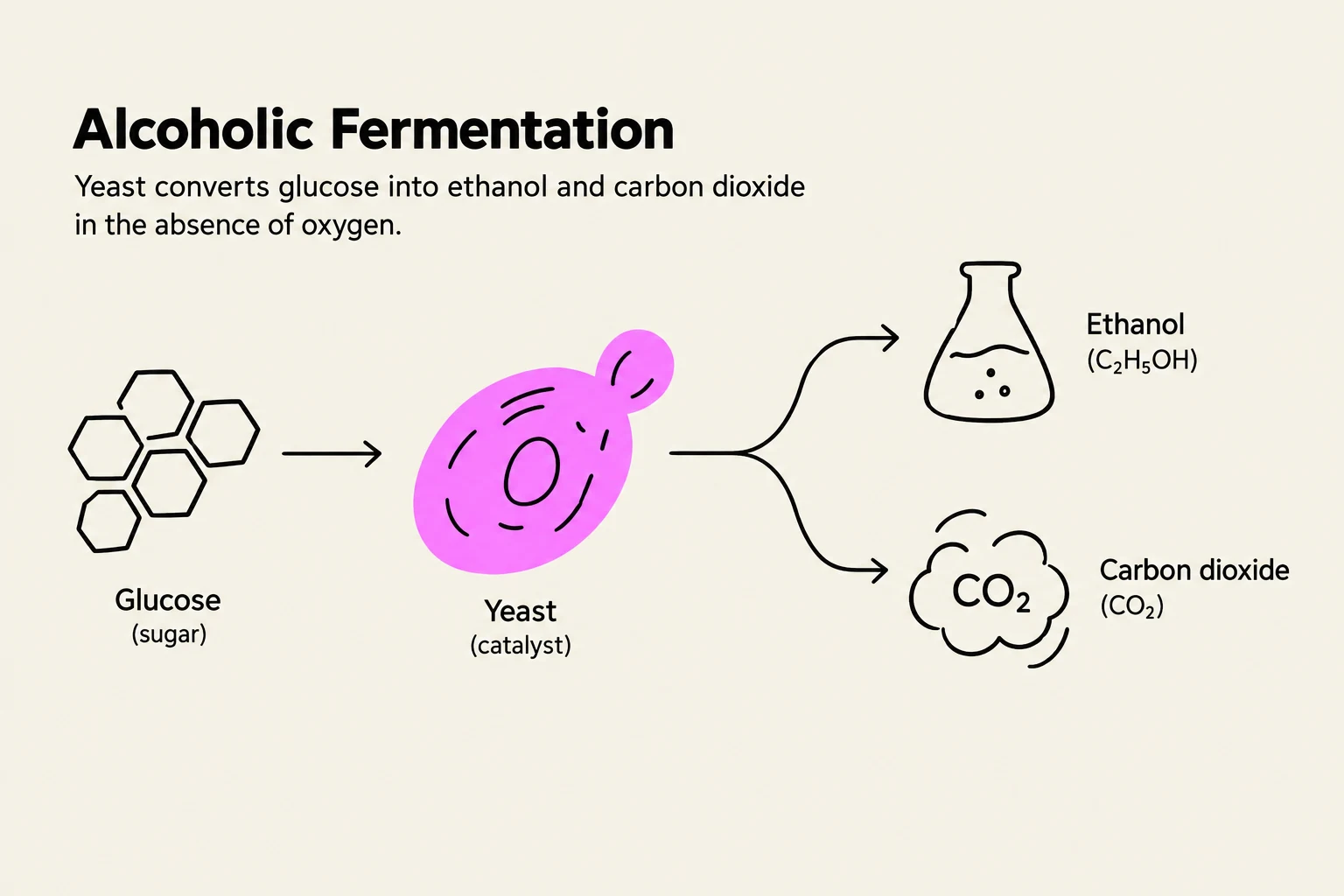
When a cell operates under anaerobic conditions (the absence of oxygen), it cannot utilize the mitochondria for large-scale ATP production. Instead, it relies on fermentation to keep glycolysis running. It is important to note that fermentation itself does not produce additional ATP; rather, it allows the cell to continue producing the 2 ATP per glucose via glycolysis by recycling the necessary components.

Keep reading for free.
Create an account to finish this reading and make it part of your study routine.
Continue reading freeAlready have an account? Log in
Updated