


In the complex world of multicellular organisms, a single cell cannot function in isolation. To form tissues, organs, and entire biological systems, cells must be able to stick together, recognize their neighbors, and exchange information across distances. This coordination is achieved through a sophisticated interplay of structural anchors, specialized junctions, and internal transport systems that move materials precisely where they are needed.
The Extracellular Matrix: The Cellular Foundation
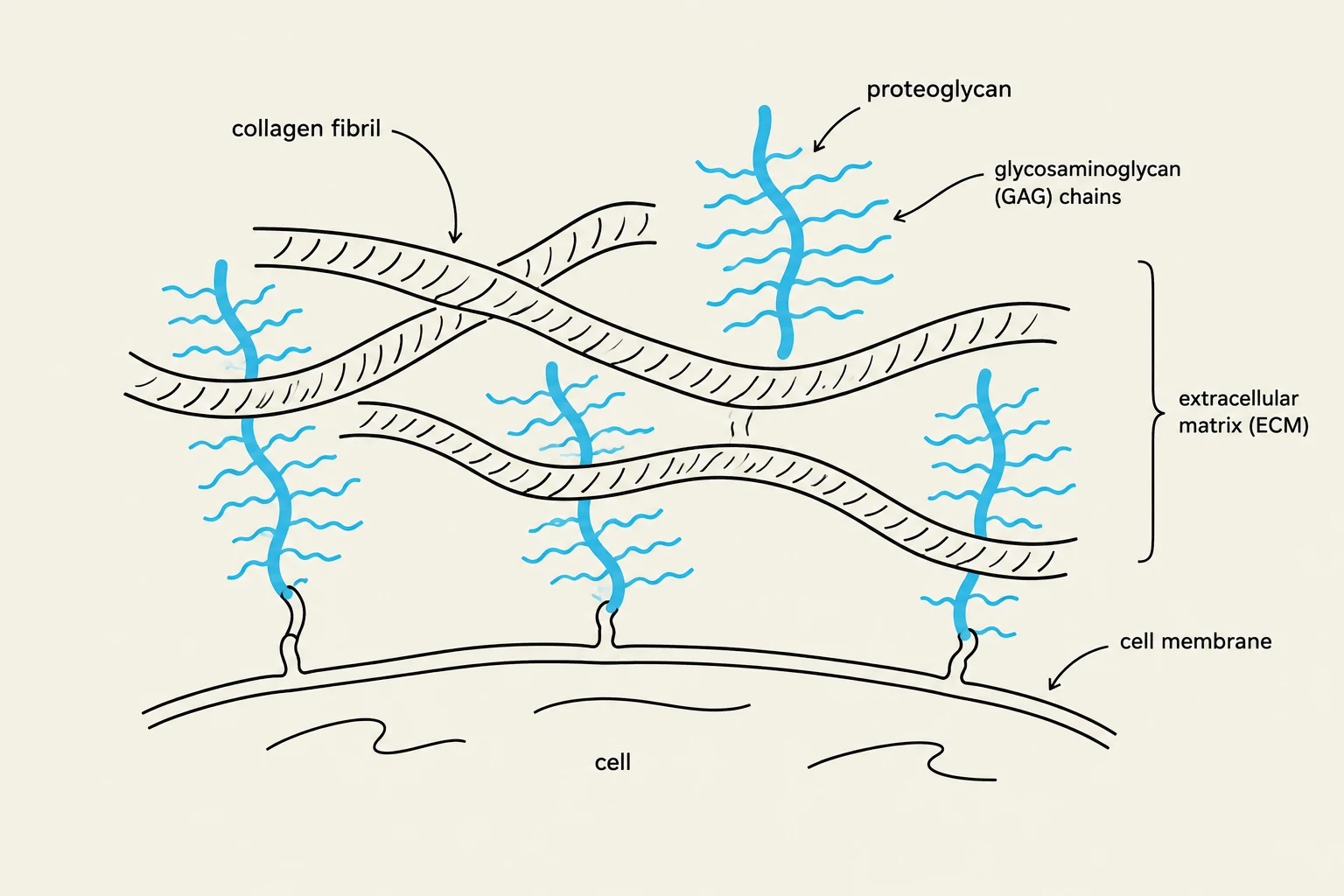
Before cells can connect to one another, they must often connect to their environment. The Extracellular Matrix (ECM) is a complex network of macromolecules that surrounds cells, acting as both a scaffold and a communication hub. The ECM serves several critical roles: it anchors cells in place, provides structural support, and imparts mechanical strength and elastic properties to tissues.
Two primary components of the ECM are:
- Collagen: A fibrous protein that assembles into long, sturdy fibrils to provide tensile strength.
- Proteoglycans: Molecules that help fill the space between cells and provide hydration and cushioning.
Cell Adhesion and Specialized Junctions
While the ECM provides an external anchor, cells use specialized membrane proteins to form direct connections with their neighbors. This is particularly vital in epithelial cells, which line the inner surfaces of organs, form glands, and make up the skin. To manage different physiological needs, cells utilize three distinct types of junctions:
1. Tight Junctions
Tight junctions act as a biological "seal" between adjacent cells. By fusing the membranes of neighboring cells together, they prevent the leakage of extracellular fluid across a layer of cells, which is essential for maintaining distinct environments on either side of an epithelial barrier (such as in the kidney ducts).
Keep reading for free.
Create an account to finish this reading and make it part of your study routine.
Continue reading freeAlready have an account? Log in
Updated