


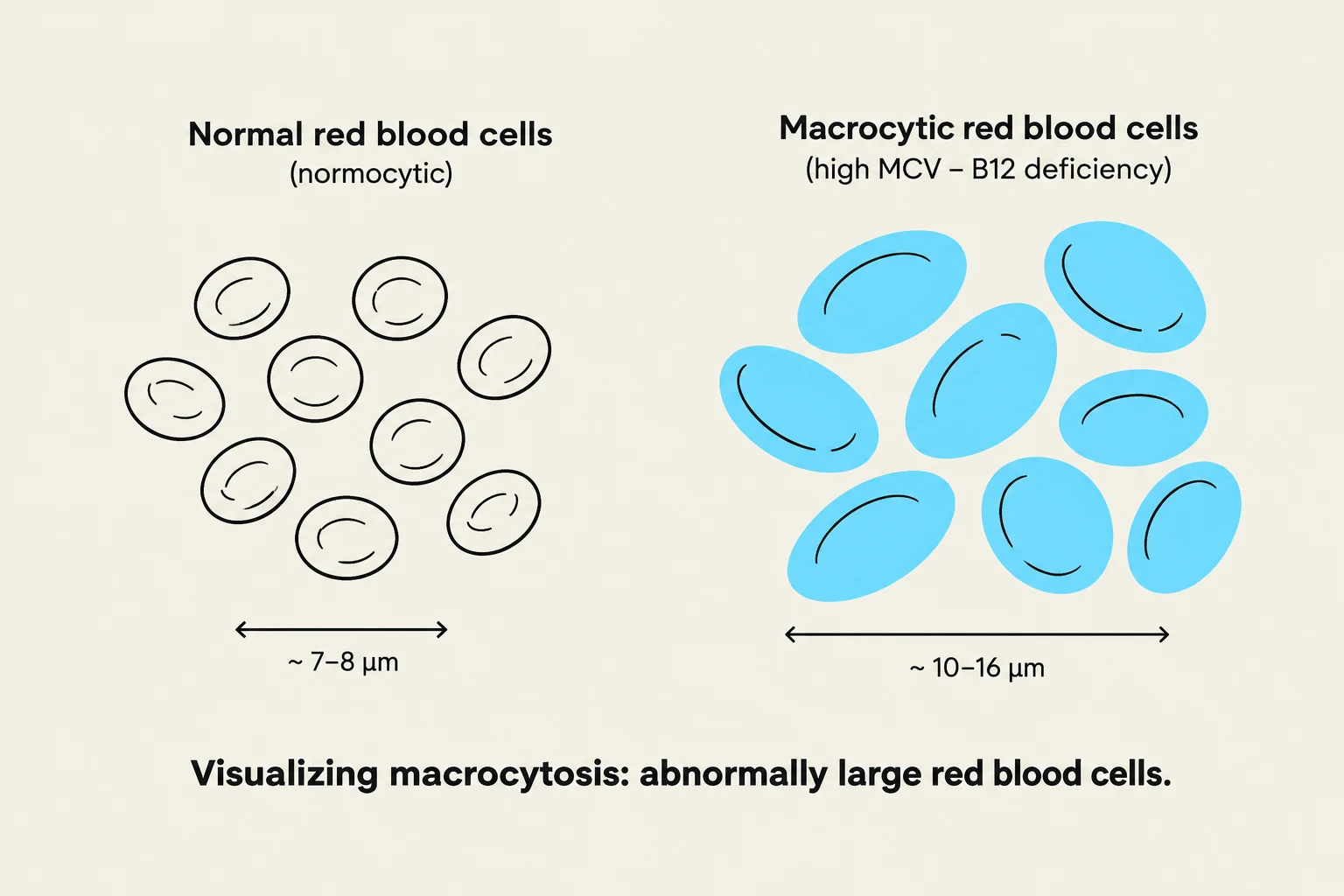
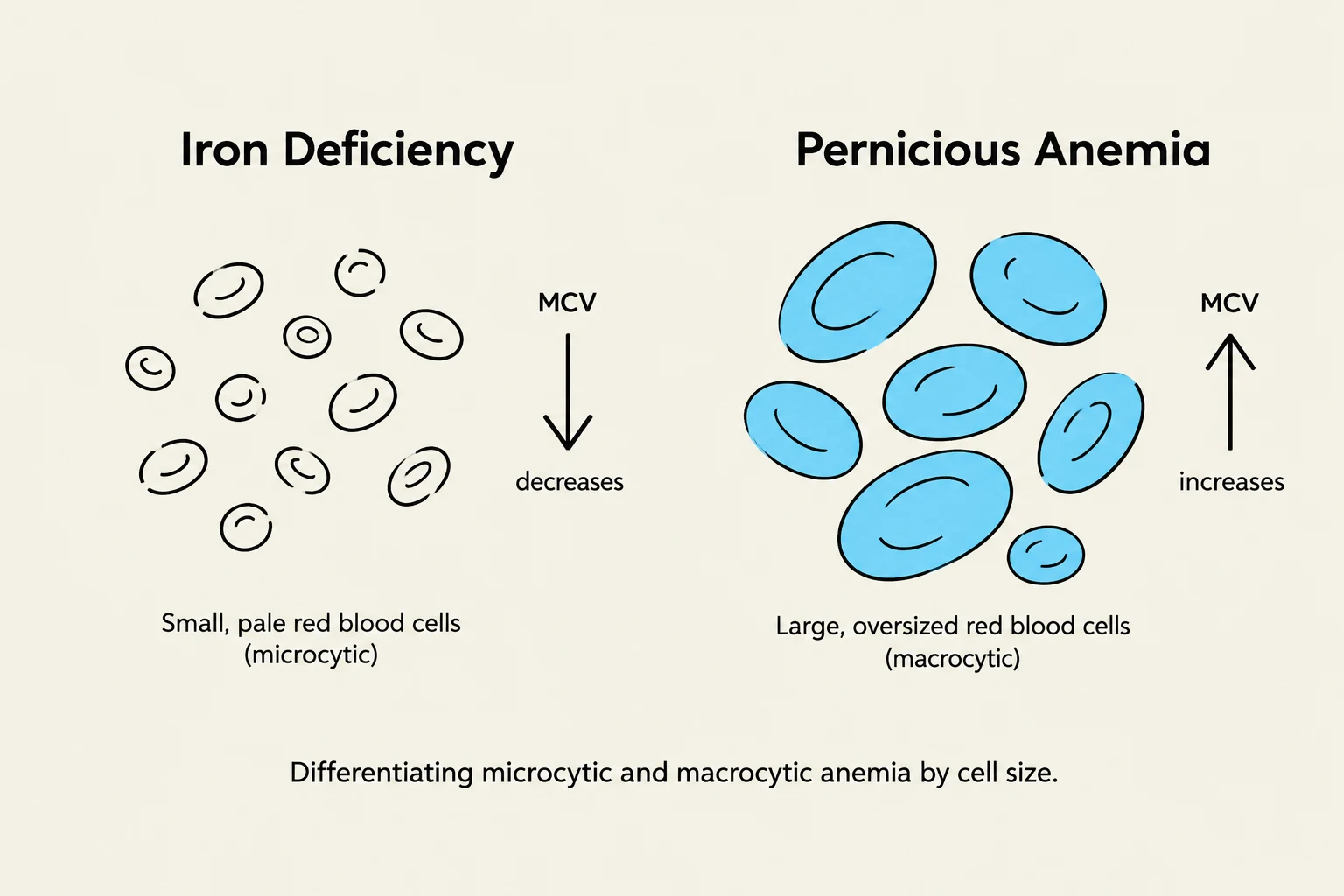
Anemia is a broad clinical term used to describe a condition where the body lacks a sufficient number of healthy red blood cells (RBCs) or hemoglobin to effectively transport oxygen to tissues. While many forms of anemia are caused by nutritional deficiencies—such as a lack of iron required to produce the heme component of hemoglobin—pernicious anemia is a more specific and complex condition.

Unlike simple nutritional anemia, pernicious anemia is not necessarily caused by a lack of vitamin intake, but rather by a fundamental failure in the body's ability to absorb Vitamin B12 through the digestive tract.
The Pathophysiology: From Autoimmunity to Deficiency
To understand pernicious anemia, one must understand the relationship between the stomach and the small intestine. Under normal physiological conditions, the absorption of Vitamin B12 is a multi-step process that requires a specific protein called intrinsic factor.
The biological chain of events in a healthy individual is as follows:
- Gastric Parietal Cells: Located in the lining of the stomach, these specialized cells are responsible for secreting intrinsic factor.
- Binding: Once Vitamin B12 is ingested, it binds to the intrinsic factor produced by these cells.
- Absorption: This B12-intrinsic factor complex travels to the ileum (the final section of the small intestine), where the vitamin is successfully absorbed into the bloodstream.
In patients with pernicious anemia, this process is disrupted by an autoimmune disorder. In this condition, the body's immune system mistakenly attacks and destroys the gastric parietal cells. As these cells are damaged or reduced in number, the production of intrinsic factor drops significantly. Without sufficient intrinsic factor, the body cannot transport Vitamin B12 to the ileum for absorption, regardless of how much B12 is consumed in the diet.
Keep reading for free.
Create an account to finish this reading and make it part of your study routine.
Continue reading freeAlready have an account? Log in
Updated