


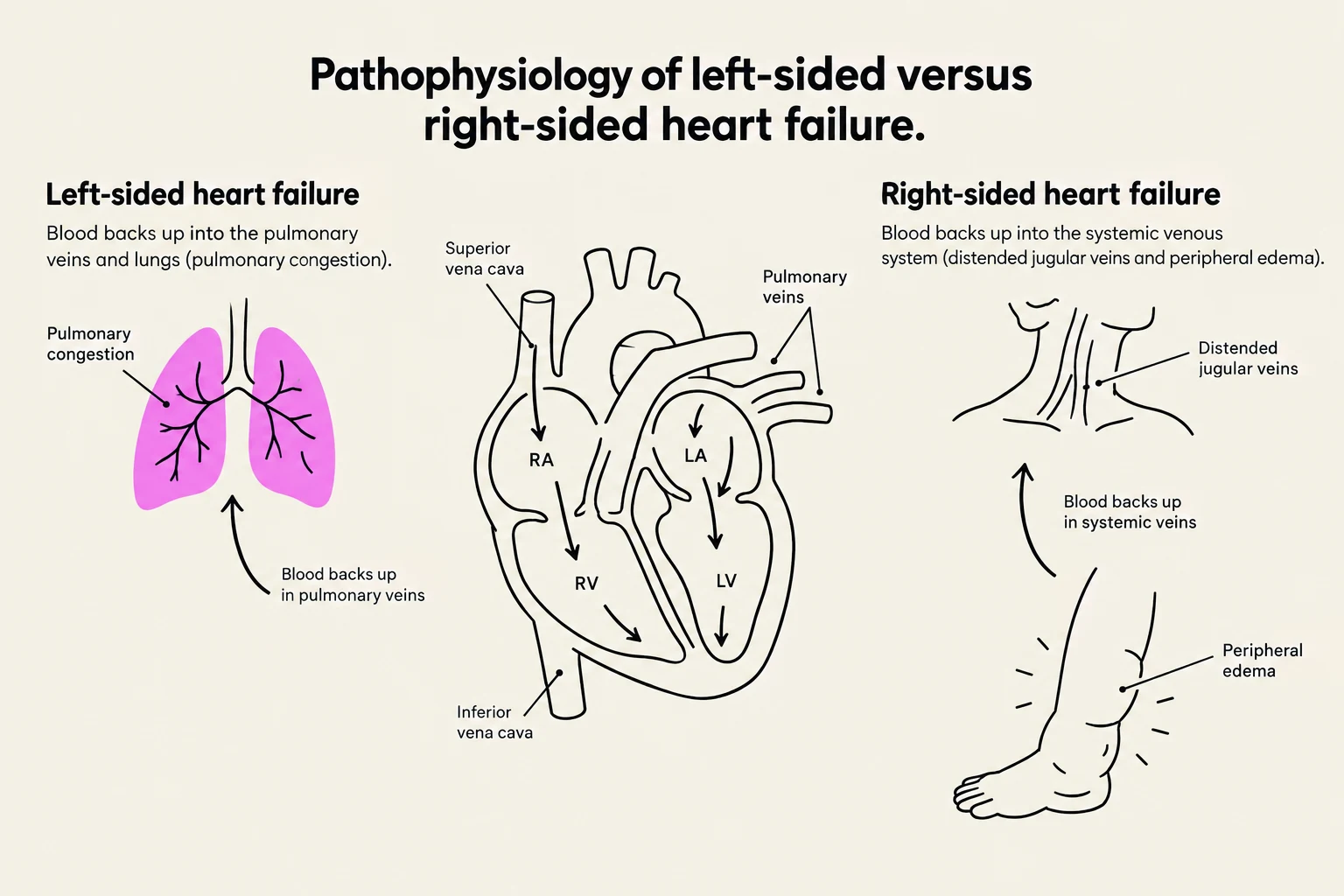
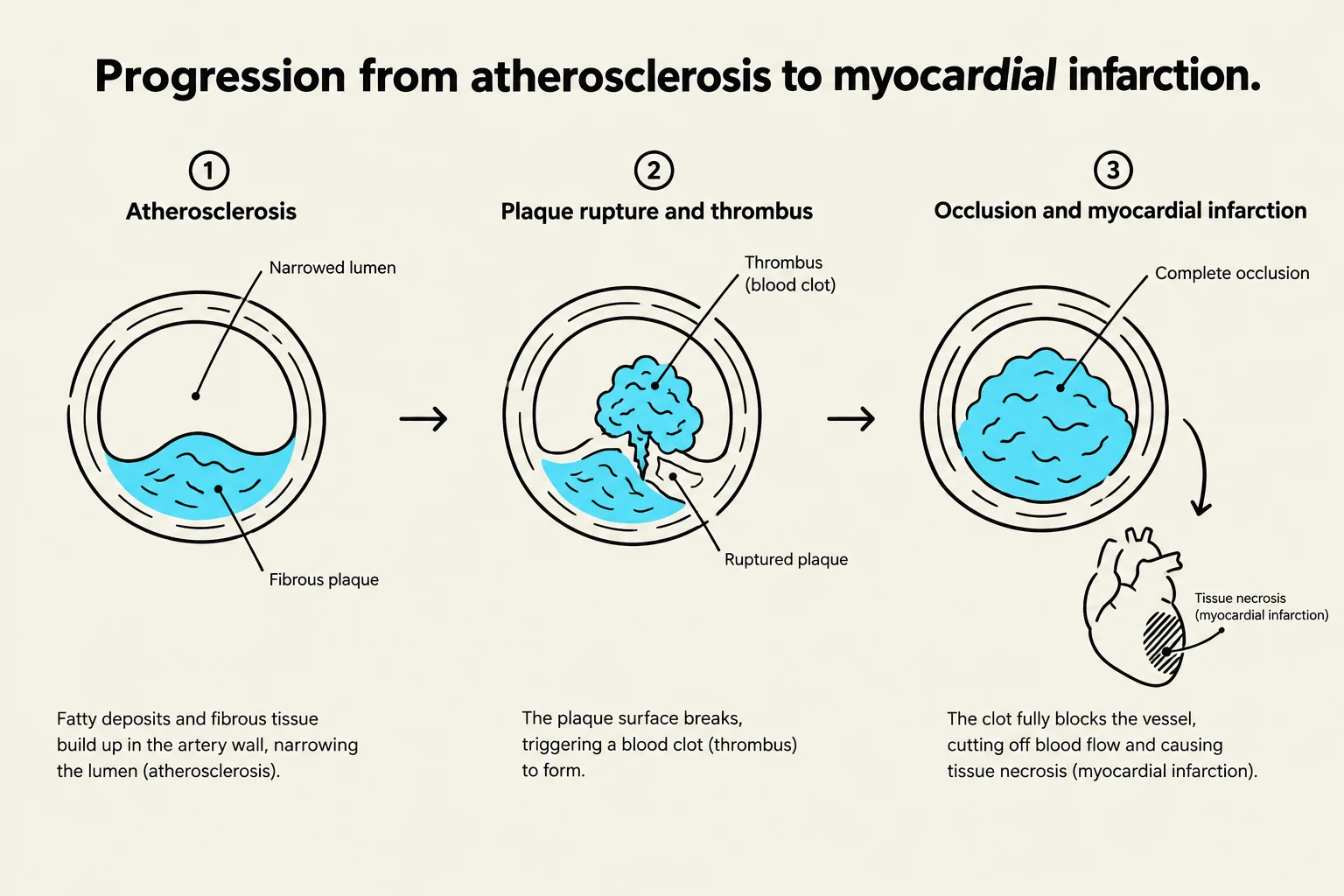
The fundamental goal of the cardiovascular system is the maintenance of adequate tissue perfusion. When this goal is compromised, the body enters a state of physiological crisis. To understand cardiovascular disease, one must distinguish between the two primary ways perfusion fails: arterial disorders typically manifest as an oxygen deficiency (ischemia), whereas venous disorders manifest as a buildup of metabolic waste. This article explores the spectrum of cardiovascular alterations, from inflammatory responses to systemic failure and shock.
Inflammatory and Structural Alterations

- Carditis (inflammation of the heart)
- Polyarthritis
- Chorea
- Erythema marginatum (skin rashes)
- Subcutaneous nodules
If left untreated, the inflammation can lead to permanent damage known as rheumatic heart disease.
Beyond inflammation, the heart may suffer from valvular dysfunction, which generally falls into two categories: stenosis (narrowing of the valve opening) and regurgitation (leaking of the valve). These structural issues can be assessed during auscultation by listening for murmurs, which are categorized by their timing (systolic or diastolic) and shape (such as crescendo-decrescendo).
Electrical and Mechanical Dysfunction
Cardiovascular dysfunction is broadly categorized into electrical and mechanical/structural domains.
Electrical Dysfunction
This involves disorders of the cardiac conduction system. It includes dysrhythmias, which are disorders of impulse formation (such as atrial or ventricular dysrhythmias), and heart blocks, which are disorders of impulse conduction.
Keep reading for free.
Create an account to finish this reading and make it part of your study routine.
Continue reading freeAlready have an account? Log in
Updated