


Perfusion is the vital process of delivering oxygenated blood to the body's tissues and organs through the circulatory system. When this process is impaired, tissues are deprived of oxygen, which can lead to cellular death if blood flow is not restored. Understanding cardiovascular disorders requires a firm grasp of cardiac output (CO), which is the amount of blood pumped by the ventricles into the pulmonary and systemic circulations. This is calculated using the formula: .
Coronary Artery Disease (CAD) and Atherosclerosis
Coronary Artery Disease is the most common type of heart disease, characterized by impaired blood flow to the myocardium. The primary underlying pathophysiology is atherosclerosis, a process where plaque forms in the intimal and medial layers of the arteries. This buildup can progress from initial fatty deposits to near-complete blockages.
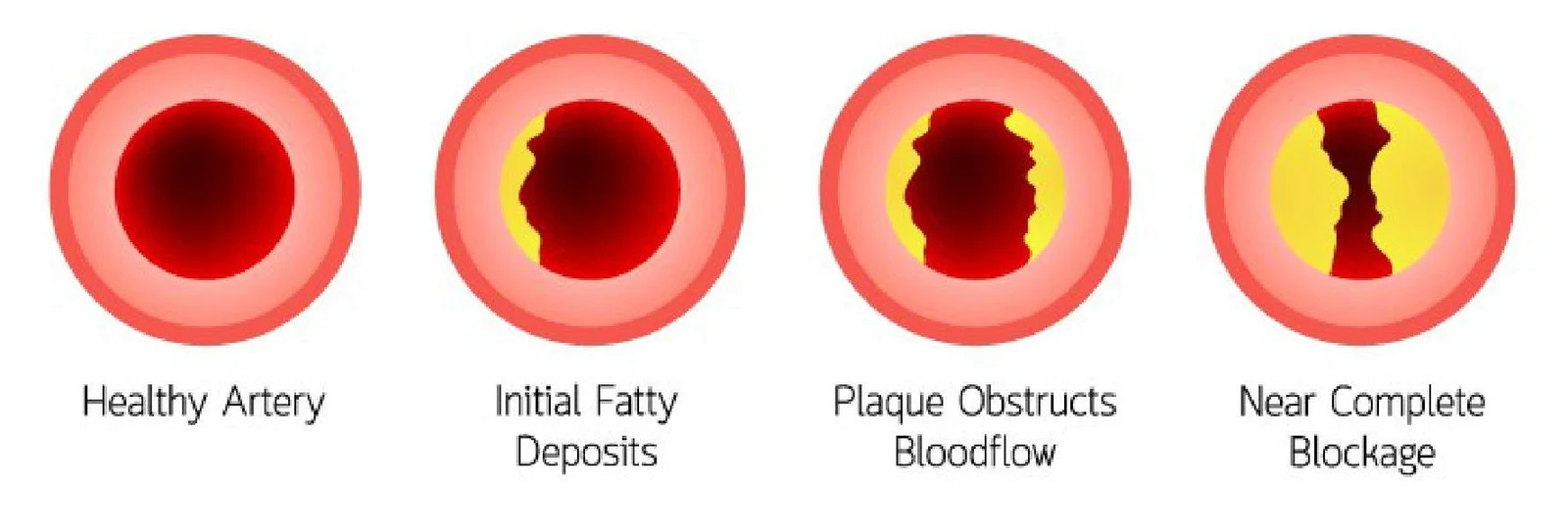
As the plaque obstructs the vessel, it can lead to myocardial ischemia (lack of oxygen to the heart muscle), angina (chest pain), and potentially acute myocardial infarction (heart attack).
Pharmacological Management of CAD
- Atorvastatin (HMG-CoA reductase inhibitor): Used to treat hyperlipidemia by lowering cholesterol levels.
Nursing Priority: Monitor liver function tests and watch for rhabdomyolysis (muscle breakdown). Advise patients to report any unexplained muscle pain.
- Nitroglycerin (Nitrate): A vasodilator used for acute angina to relieve chest pain.
Safety Alert: Do not use concurrently with phosphodiesterase-5 inhibitors (e.g., sildenafil/Viagra) due to the risk of severe hypotension.
- Diltiazem (Calcium Channel Blocker): Used for angina, hypertension, and certain dysrhythmias.
- Clopidogrel (Antiplatelet): An ADP receptor blocker used to reduce the risk of MI or stroke, especially after coronary stenting.
Keep reading for free.
Create an account to finish this reading and make it part of your study routine.
Continue reading freeAlready have an account? Log in
Updated