


Carbohydrates are essential nutrients that serve as the primary energy source for the human body. Beyond simply providing fuel, they are critical for feeding the brain and nervous system, maintaining digestive health, and helping the body stay lean. While most carbohydrate-rich foods come from plants, milk is a notable animal-derived exception. To understand how these nutrients impact our health, we must look at the journey from the food we eat to the glucose circulating in our bloodstream.
Carbohydrate Digestion and Absorption
The process of turning complex food structures into usable energy begins in the mouth and continues through the digestive tract. Carbohydrates exist in various forms, ranging from simple sugars to complex polysaccharides like starch and fibre.
Starch and Disaccharide Breakdown
Digestion of starch—the plant's storage form of glucose—begins in the mouth, where enzymes start splitting the large molecules into shorter units. While digestion ceases temporarily in the stomach, it resumes vigorously in the small intestine. Similarly, disaccharides (double sugars like lactose, maltose, and sucrose) must be split into their individual building blocks by enzymes located on the lining of the small intestine.
Monosaccharides: The Final Product
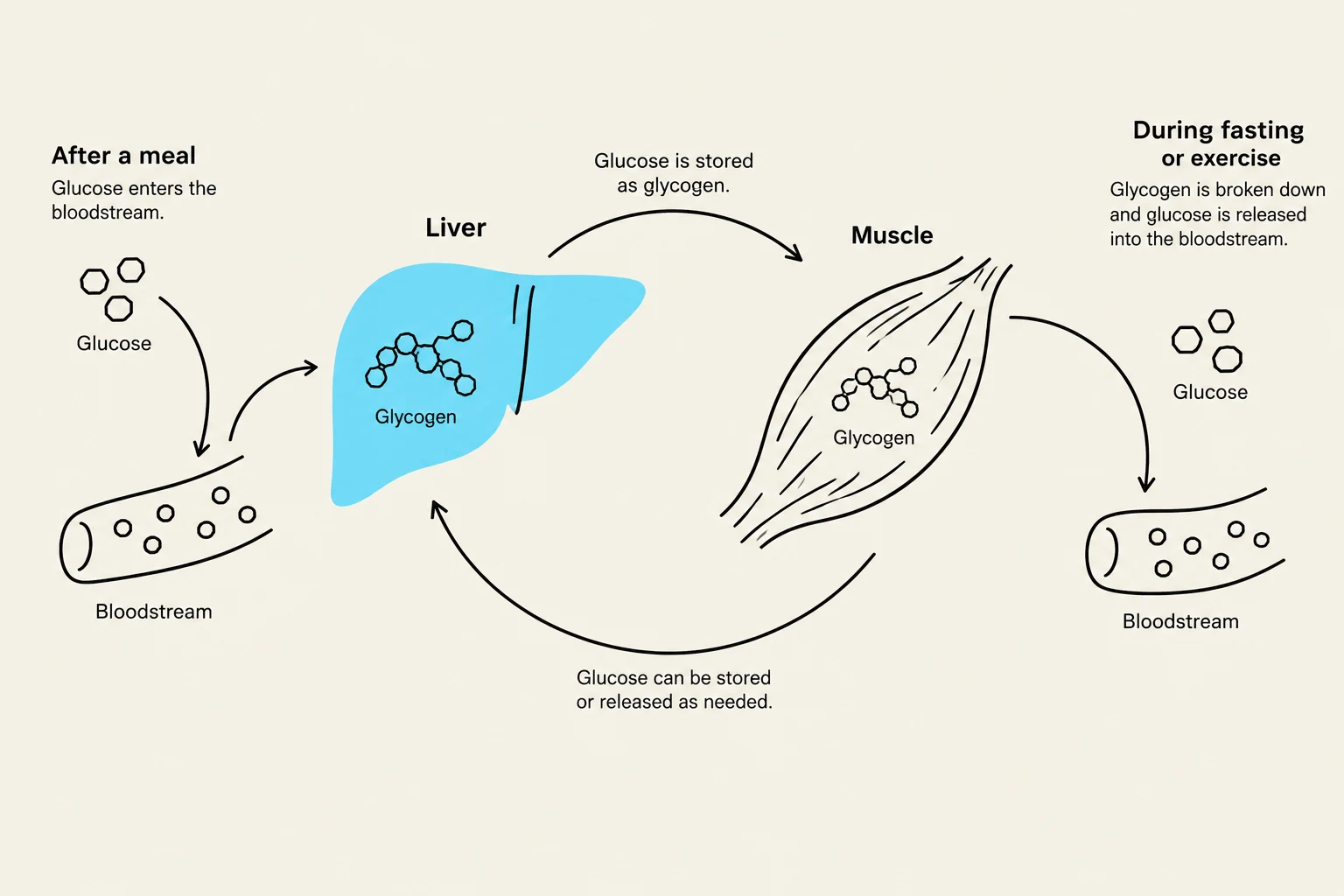
The ultimate goal of digestion is to produce monosaccharides, which are single sugar molecules. The most common monosaccharides in nature are glucose, fructose, and galactose. Once these molecules are liberated, they are absorbed through the intestinal wall and travel to the liver.

Fibre Fermentation
Unlike starch and sugars, dietary fibre consists of the supporting structures of plants that resist digestion by human enzymes. However, fibre is not "wasted." While some fibre is insoluble and passes through relatively unchanged, soluble and viscous fibres can be fermented by bacteria in the colon. This fermentation process can produce gases and provides important health benefits, such as promoting healthy gut colonization.

Keep reading for free.
Create an account to finish this reading and make it part of your study routine.
Continue reading freeAlready have an account? Log in
Updated