


Understanding the reproductive physiology of the bitch is essential for veterinary clinicians, particularly when managing breeding programs or diagnosing reproductive pathologies. The canine estrous cycle is unique among many domestic animals due to its monestrous nature and the specific hormonal shifts that govern ovulation and the luteal phase. This article explores the anatomical structures involved, the distinct phases of the cycle, and the clinical utility of vaginal cytology in monitoring these changes.
Canine Reproductive Anatomy
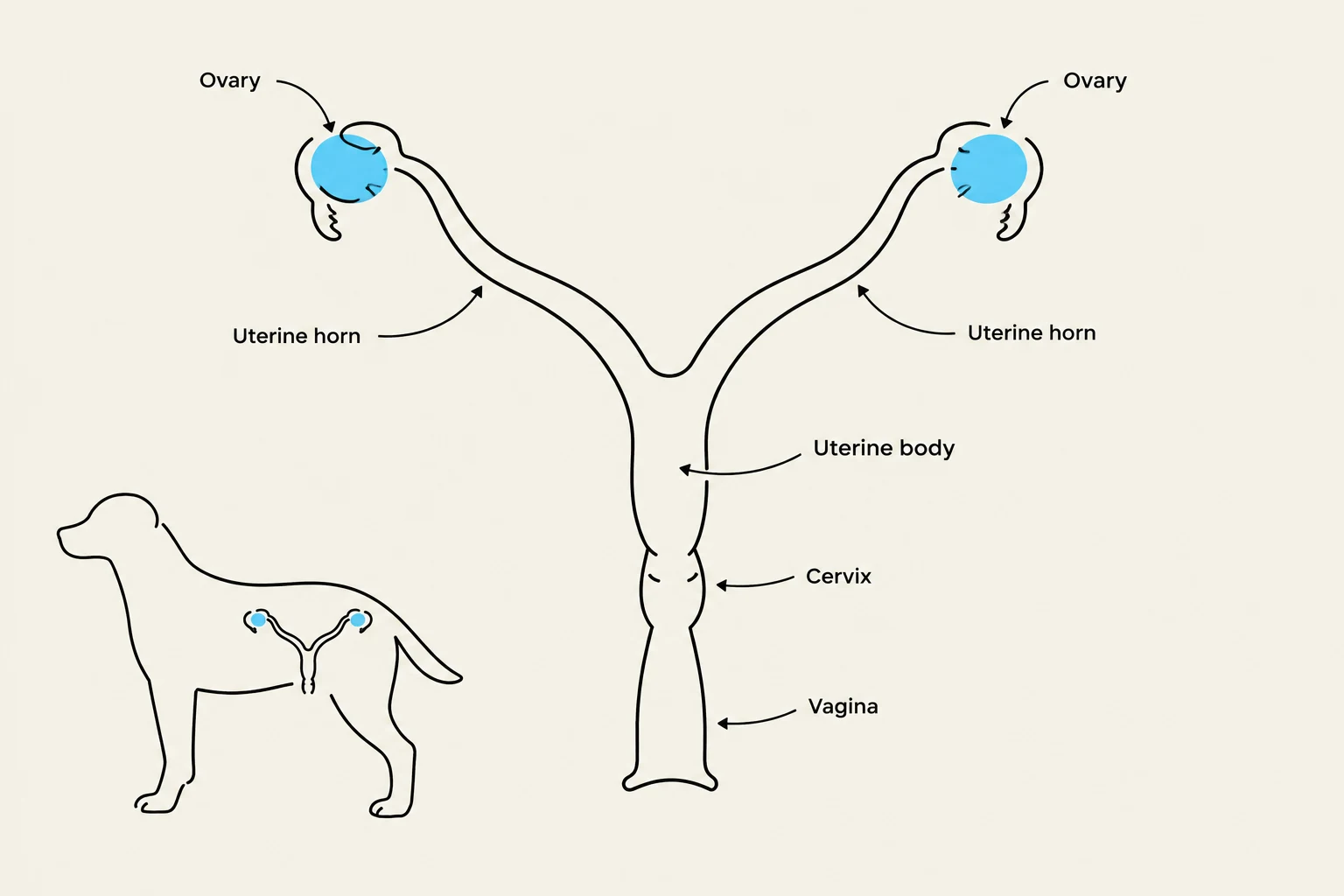
The female reproductive tract of the dog consists of several specialized structures designed for hormone production, egg transport, and fetal development. Externally, the vulva leads into the vestibule, which eventually meets the vagina. A notable anatomical feature is the clitoral sinus, which serves as an analog to the male prepuce.
Internally, the tract is characterized by a "bicornuate" uterus, meaning it has two long uterine horns and a relatively short uterine body. The uterine horns provide the necessary space for multiple fetuses, which is common in the species. The cervix acts as the gateway between the vagina and the uterus, and the vaginal fornix is the area surrounding the cervical opening.
The ovaries are the primary reproductive organs, responsible for producing estrogen and progesterone. It is important to note that in the bitch, the ovaries are often surrounded by significant amounts of adipose tissue; clinicians are advised not to "spay the fat" during ovariohysterectomy to ensure all ovarian tissue is removed. The ovaries are connected to the uterine tubes (fallopian tubes) via the infundibulum. Following ovulation, the remains of the follicle develop into corpora lutea, which are responsible for maintaining progesterone levels.
Keep reading for free.
Create an account to finish this reading and make it part of your study routine.
Continue reading freeAlready have an account? Log in
Updated