


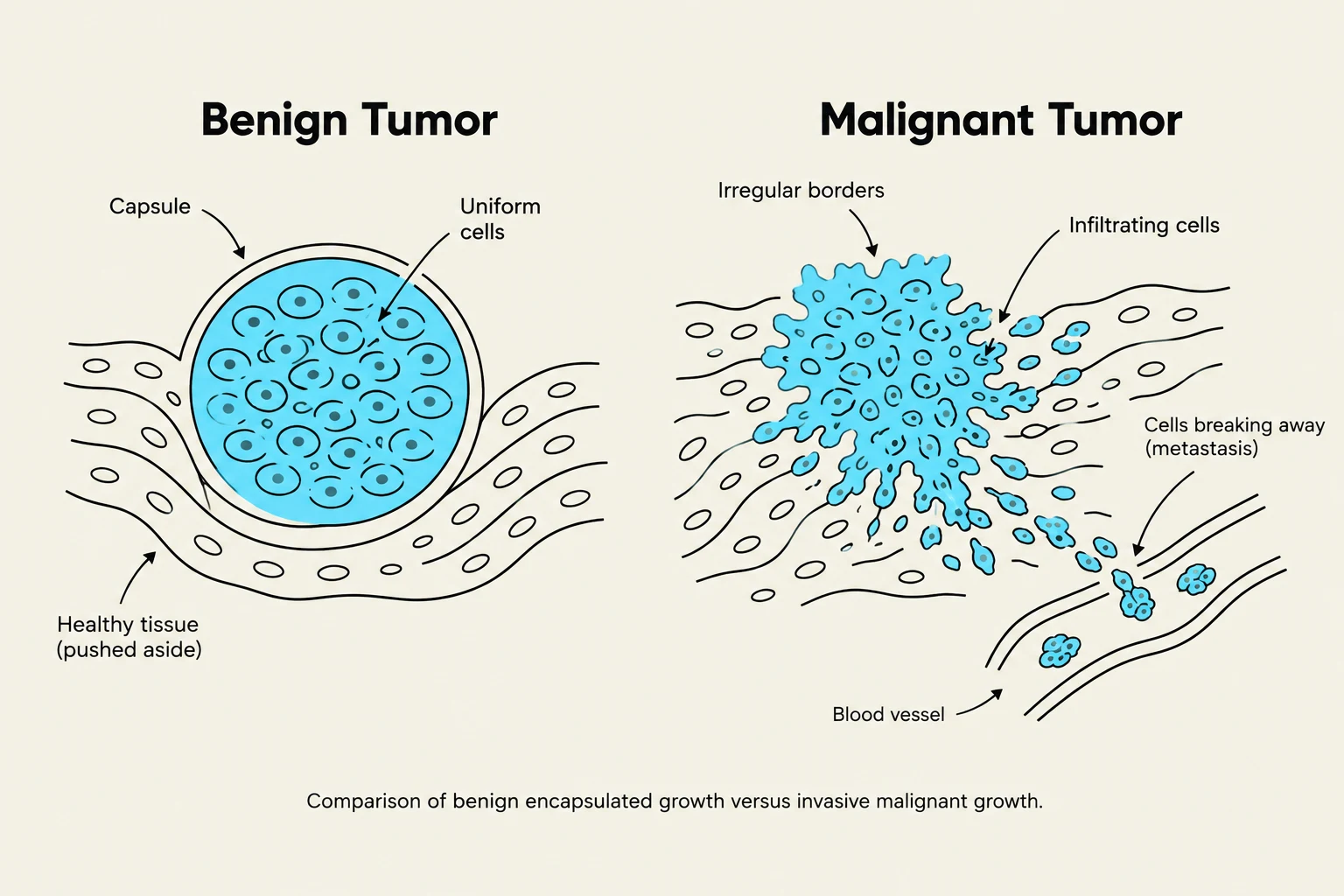
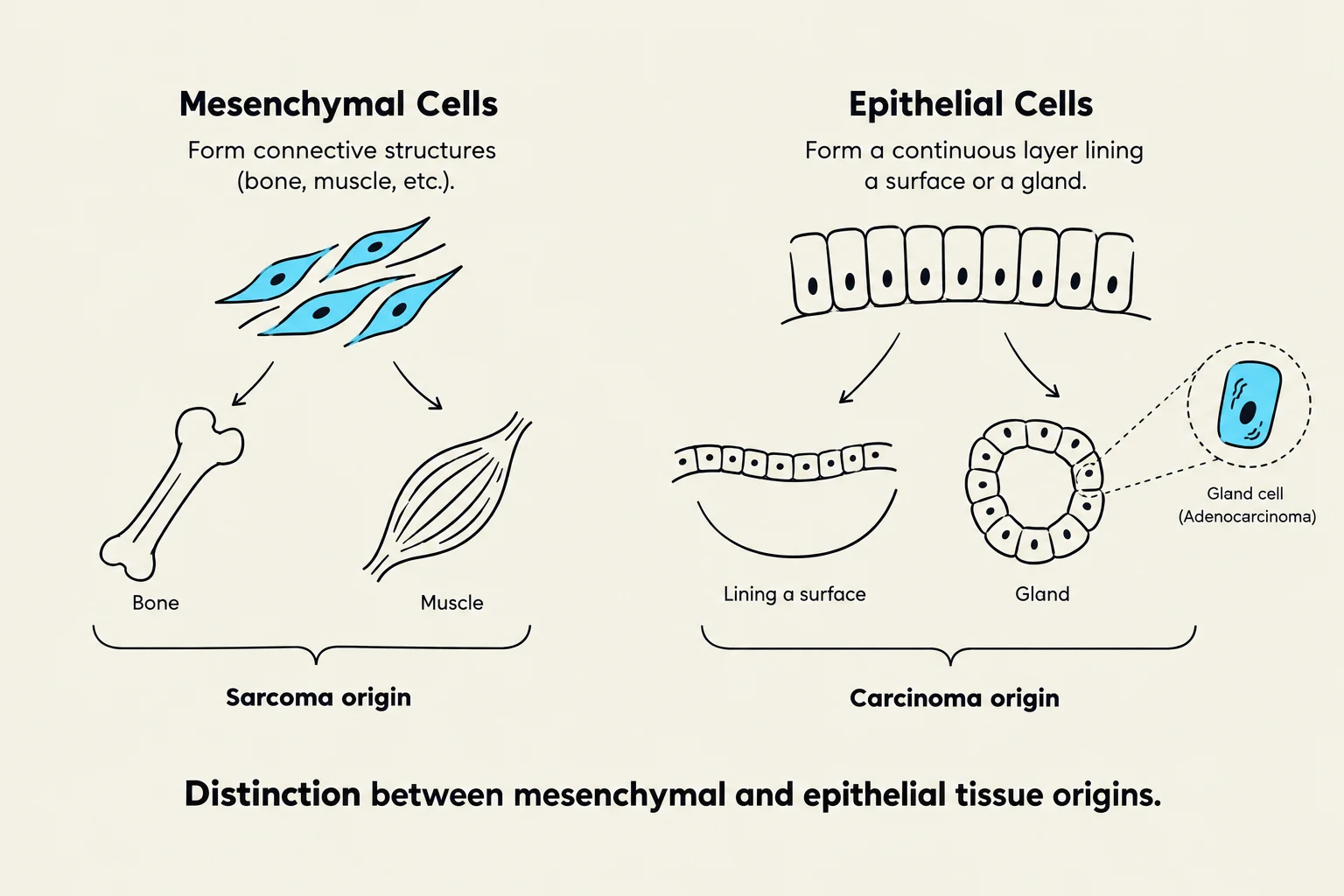
Cancer is a complex disease characterized by uncontrolled cell growth and the potential to invade or spread throughout the body. To understand how cancer develops and how it is treated, one must first understand the fundamental biological processes that govern normal cell life and the ways in which these processes go awry. This article explores the mechanics of the cell cycle, the distinctions between benign and malignant growths, and the histological classifications used to identify tumors based on their tissue of origin.
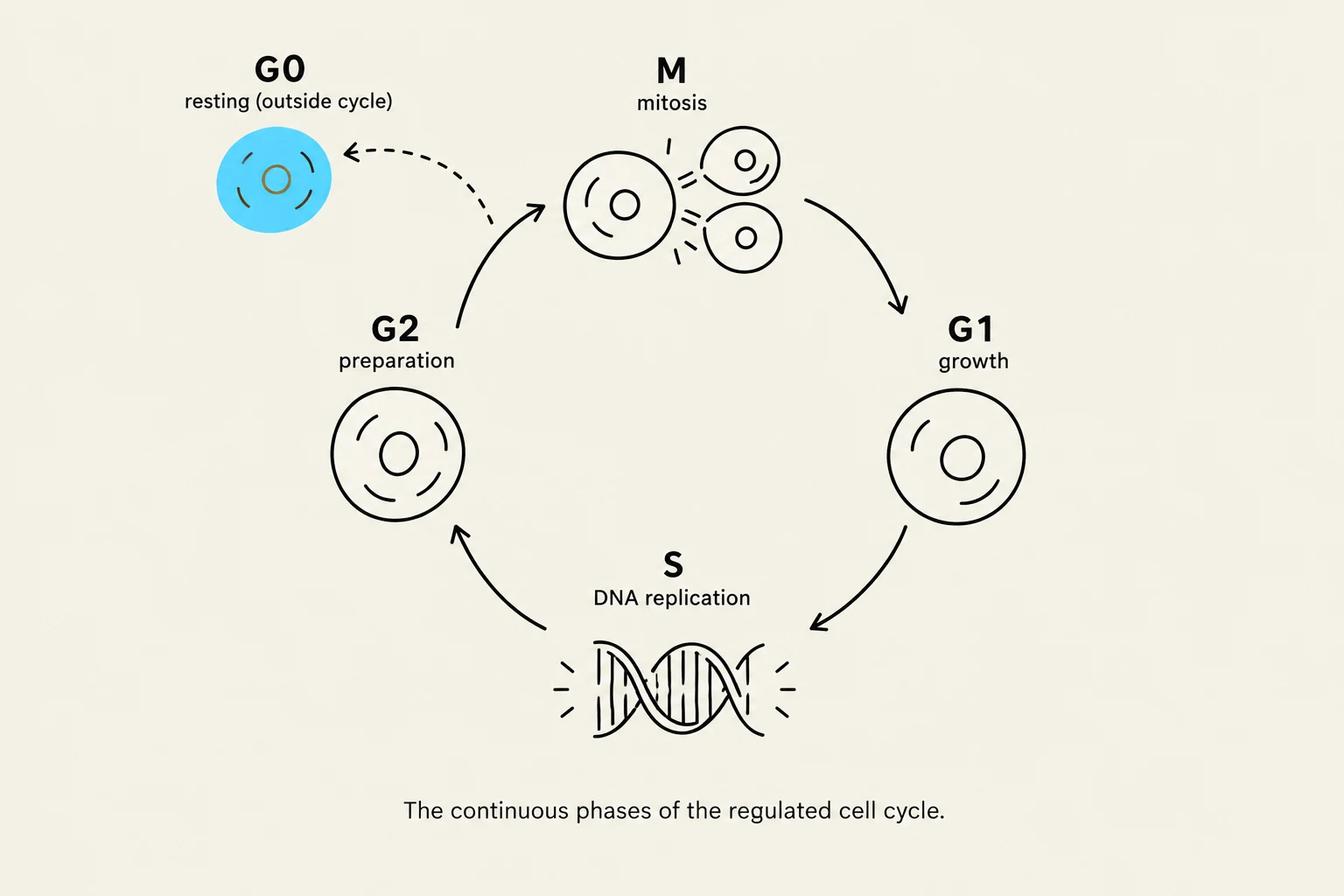
The Cell Cycle: The Engine of Growth
All healthy cells undergo a regulated process of growth and division known as the cell cycle. This cycle includes all the events that occur between successive cell divisions and is divided into five distinct phases:
- G0 Phase (Resting/Functional Phase): In this phase, cells function normally but are not actively preparing to divide. Most cells within body tissues reside in G0. However, these cells are not "stuck"; they can reenter the cycle if they receive the appropriate biological stimulation.
- G1 Phase (First Growth Phase): This is a period of active growth and intense metabolism. The duration of G1 varies depending on how rapidly a specific cell type is expected to divide. During this stage, the cell produces RNA and proteins, eventually reaching a point where it commits to replicating its DNA.
- S Phase (Synthesis): During the S phase, DNA replication occurs. This ensures that when the cell eventually divides, each resulting daughter cell receives a complete and identical set of genetic material.
- G2 Phase (Second Growth Phase): This phase serves as a final preparation period for mitosis. The cell produces the specific enzymes and proteins necessary to carry out the physical act of division.
- M Phase (Mitosis): The culmination of the cycle, where the cell physically divides into two identical daughter cells.
Keep reading for free.
Create an account to finish this reading and make it part of your study routine.
Continue reading freeAlready have an account? Log in
Updated