


For managers in Canada, human resources management (HRM) is not merely about people skills and organizational culture; it is deeply rooted in a complex web of legal obligations. Understanding these laws is essential because they dictate what is expected of a manager and define the boundaries of acceptable behavior. Compliance is not just a matter of avoiding lawsuits; treating employees according to legal standards is increasingly viewed as "good business" that protects both the employer and the employee.
The Structure of the Canadian Legal Framework
The legal environment in Canada is divided into two primary jurisdictions: federal and provincial/territorial. Which set of laws applies to a business depends on whether the organization is federally regulated (such as banks or airlines) or provincially regulated (most other businesses).
The sources of law that influence HRM are multifaceted. These include constitutional conventions, statute law, and common law.
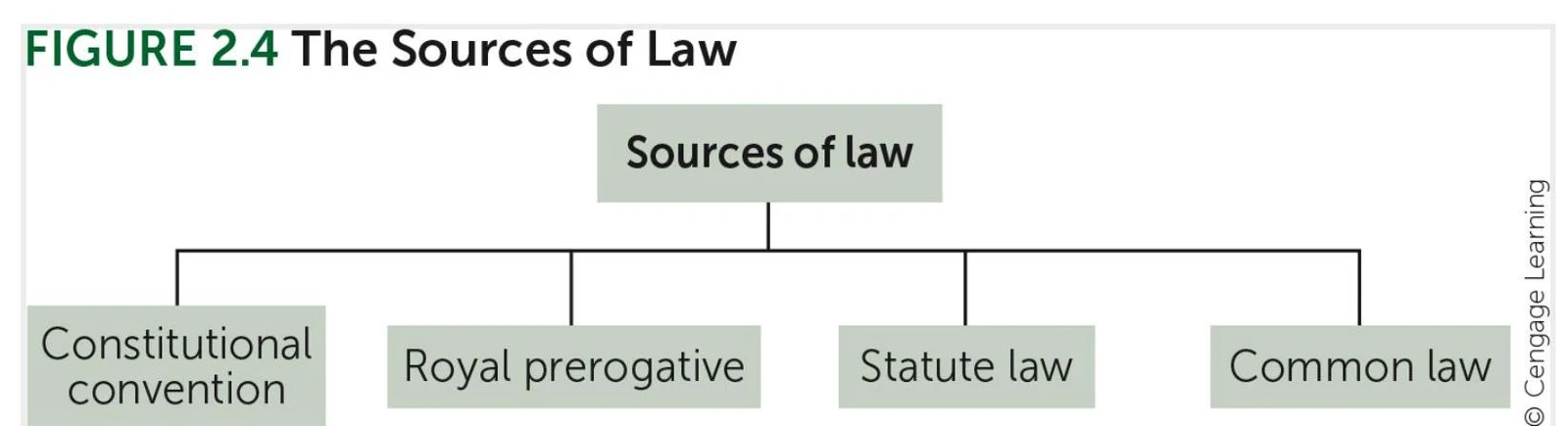
To understand how these laws interact, it is helpful to view them through various classifications, ranging from international and domestic law to specific areas like contract, tort, and criminal law.
Key Federal Legislation
For organizations operating under federal jurisdiction, three major pieces of legislation are paramount:
- Canada Labour Code: Governs the relationship between employees and employers in federally regulated sectors.
- Canadian Human Rights Act: Protects individuals from discrimination and harassment.
- Personal Information Protection and Electronics Documents Act (PIPEDA): Regulates how private-sector organizations collect, use, and disclose personal information.
Human Rights, Discrimination, and Harassment
A central pillar of HRM is ensuring a workplace free from discrimination and harassment. Human rights legislation, which exists at both federal and provincial levels, aims to prevent unfair treatment based on protected characteristics.
Keep reading for free.
Create an account to finish this reading and make it part of your study routine.
Continue reading freeAlready have an account? Log in
Updated