


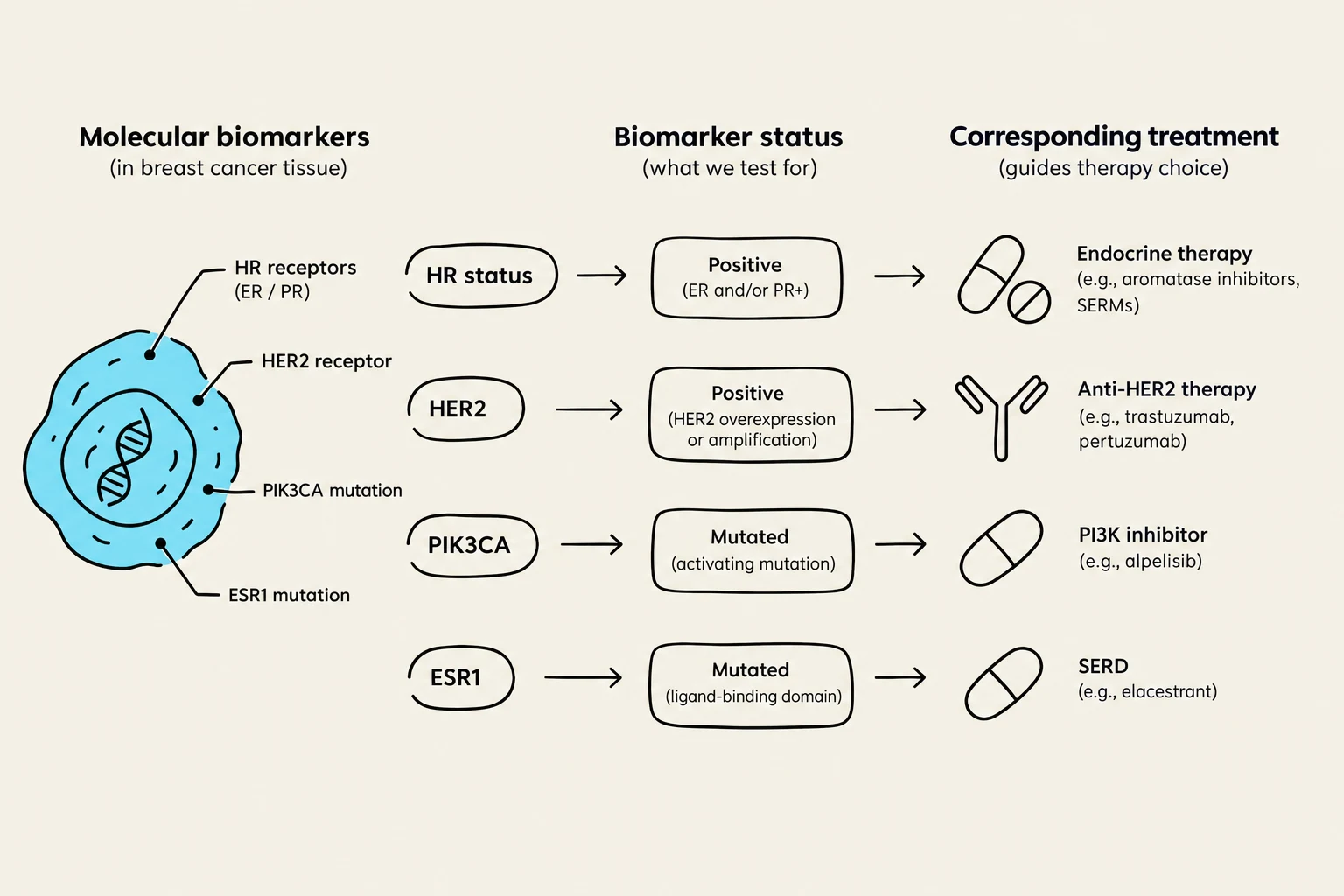
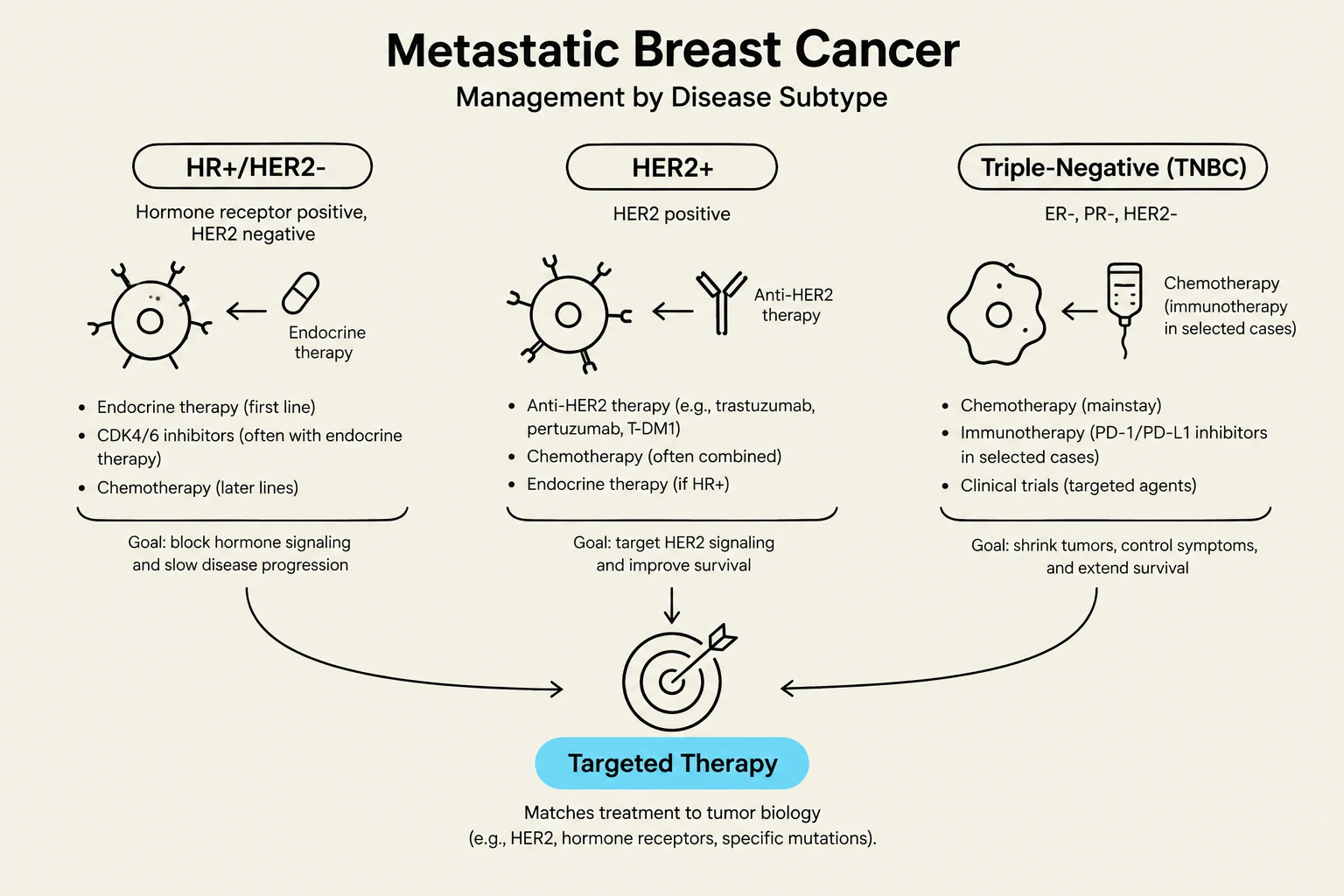
The management of breast cancer is a highly individualized process that integrates surgical precision, advanced radiation techniques, and sophisticated systemic therapies. Modern oncology has shifted from a "one-size-fits-all" approach to a molecularly driven paradigm, where the specific biological characteristics of a tumor dictate the entire therapeutic roadmap. This article explores the clinical frameworks used to manage breast cancer, ranging from early-stage local control to the complex management of metastatic disease.
Local Control: Surgical and Radiation Management
For patients with early-stage breast cancer, the primary goal is achieving locoregional control to prevent recurrence in the breast or surrounding lymph nodes.
Surgical Strategies
Surgical intervention often begins with decisions regarding the extent of tissue removal. In breast-conserving surgery (BCS), clinicians must balance oncologic safety with aesthetic outcomes. This includes considerations for nipple-sparing or skin-sparing mastectomies. A critical component of surgical staging is the assessment of the axilla. While sentinel lymph node surgery (SLNB) is a standard approach, patients receiving neoadjuvant chemotherapy may require targeted axillary dissection (TAD) to reduce false-negative rates and ensure accurate nodal staging.
Radiation Therapy (RT)
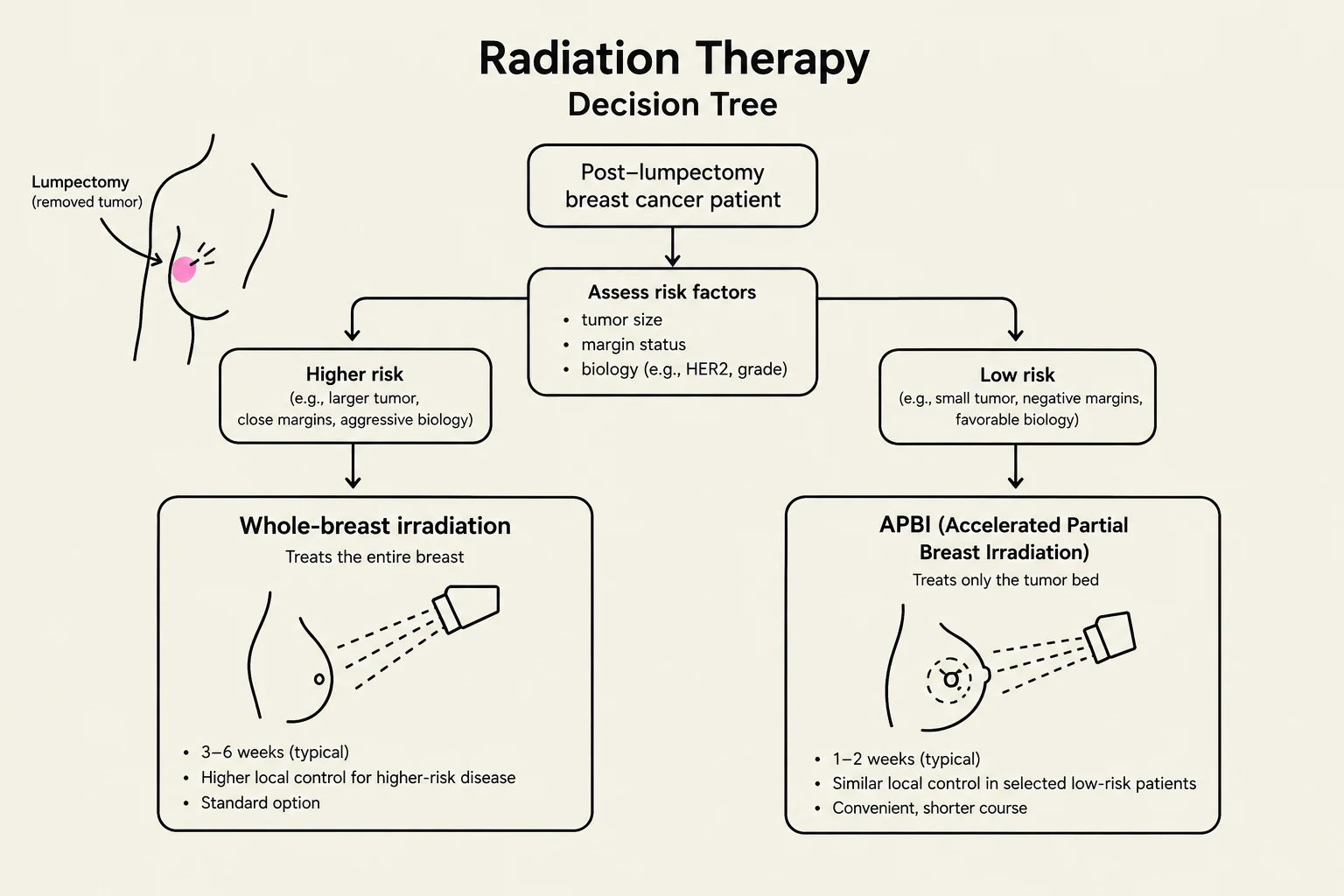
Following surgery, radiation is often employed to reduce the risk of locoregional recurrence. Strategies include:
- Whole-breast irradiation: The standard for most patients following BCS.
- Accelerated Partial-Breast Irradiation (APBI): A more targeted approach for appropriately selected low-risk patients.
- Hypofractionated RT: Based on trials like the FAST-Forward trial, shorter and more intense courses of radiation are increasingly used as efficacious alternatives to standard fractionation.
- Postmastectomy Radiotherapy (PMRT): Utilized for high-risk patients to improve control after a mastectomy.
Keep reading for free.
Create an account to finish this reading and make it part of your study routine.
Continue reading freeAlready have an account? Log in
Updated