


The human skeleton is far more than a static structural frame; it is a dynamic, living tissue that is constantly being built, broken down, and repaired. This continuous process, known as bone remodeling, ensures that our bones remain strong and that our body maintains the precise chemical balance required for survival. By balancing the activities of specialized cells and responding to hormonal signals, the skeletal system serves as a vital reservoir for essential minerals, particularly calcium.
The Dynamics of Bone Remodeling
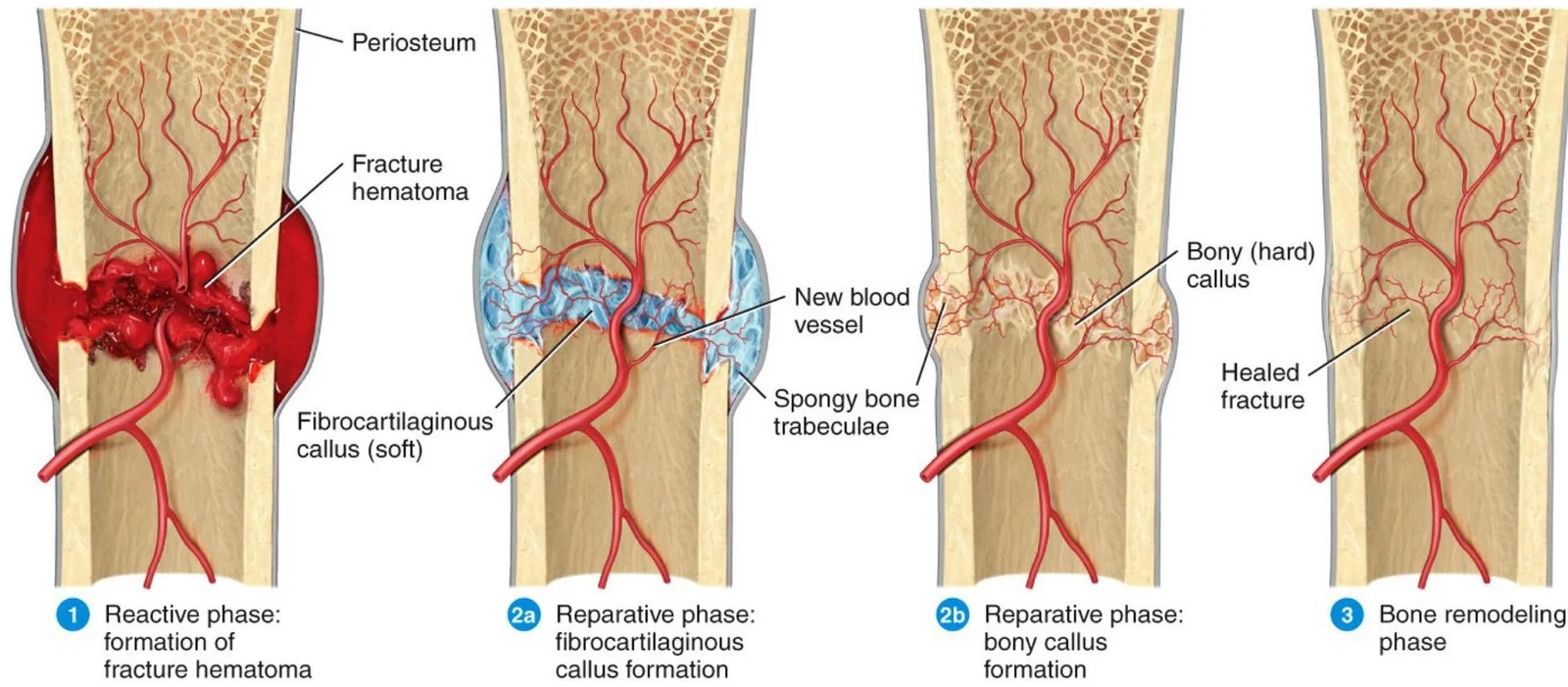
Bone remodeling is a lifelong process that involves two opposing but complementary actions: calcification (the building of bone) and resorption (the breakdown of bone). This cycle allows the body to replace old, worn-out bone tissue with new, healthy tissue.
The process is driven by two primary types of cells:
- Osteoblasts: These are the "builders." They secrete the organic extracellular matrix and facilitate the deposition of minerals to form new bone.
- Osteoclasts: These are the "recyclers." They break down bone tissue through resorption, releasing minerals back into the bloodstream.
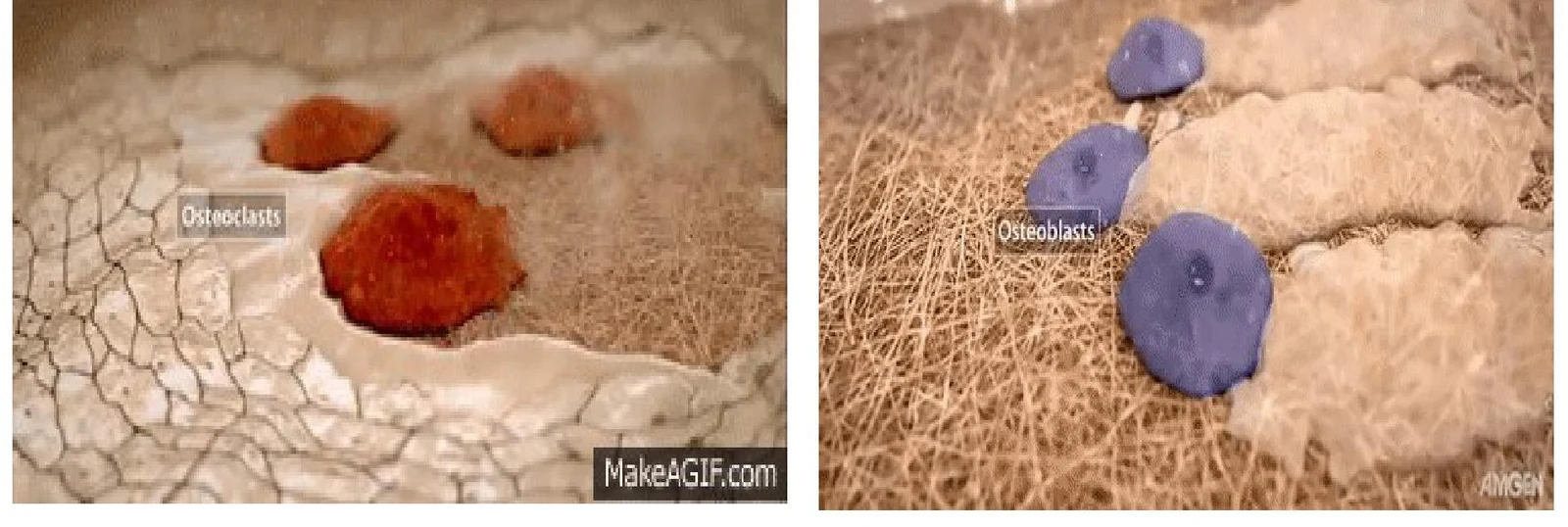
Exam Tip: Think of osteoblasts as "B" for "Builders" and osteoclasts as "C" for "Consumers" (of bone). The balance between these two determines whether your bone density increases or decreases.
Calcium Homeostasis: The Body's Balancing Act
While remodeling maintains bone strength, it also serves a critical systemic function: calcium homeostasis. The bones act as a massive storage unit, holding approximately 99% of the body's calcium.
Calcium is not just for bones; it is essential for nerve signaling, muscle contraction, blood clotting, and enzyme function. Because of these vital roles, blood calcium levels must be kept within a very narrow range (typically 9–11 mg/dL). To manage this, the body utilizes a sophisticated endocrine feedback loop involving several hormones:

Keep reading for free.
Create an account to finish this reading and make it part of your study routine.
Continue reading freeAlready have an account? Log in
Updated