


Blood is a specialized type of connective tissue that circulates through the body, serving as a vital transport medium for nutrients, gases, hormones, and waste products. Unlike other connective tissues that are held together by a solid or semi-solid matrix, blood utilizes a liquid matrix to facilitate rapid movement throughout the cardiovascular system.
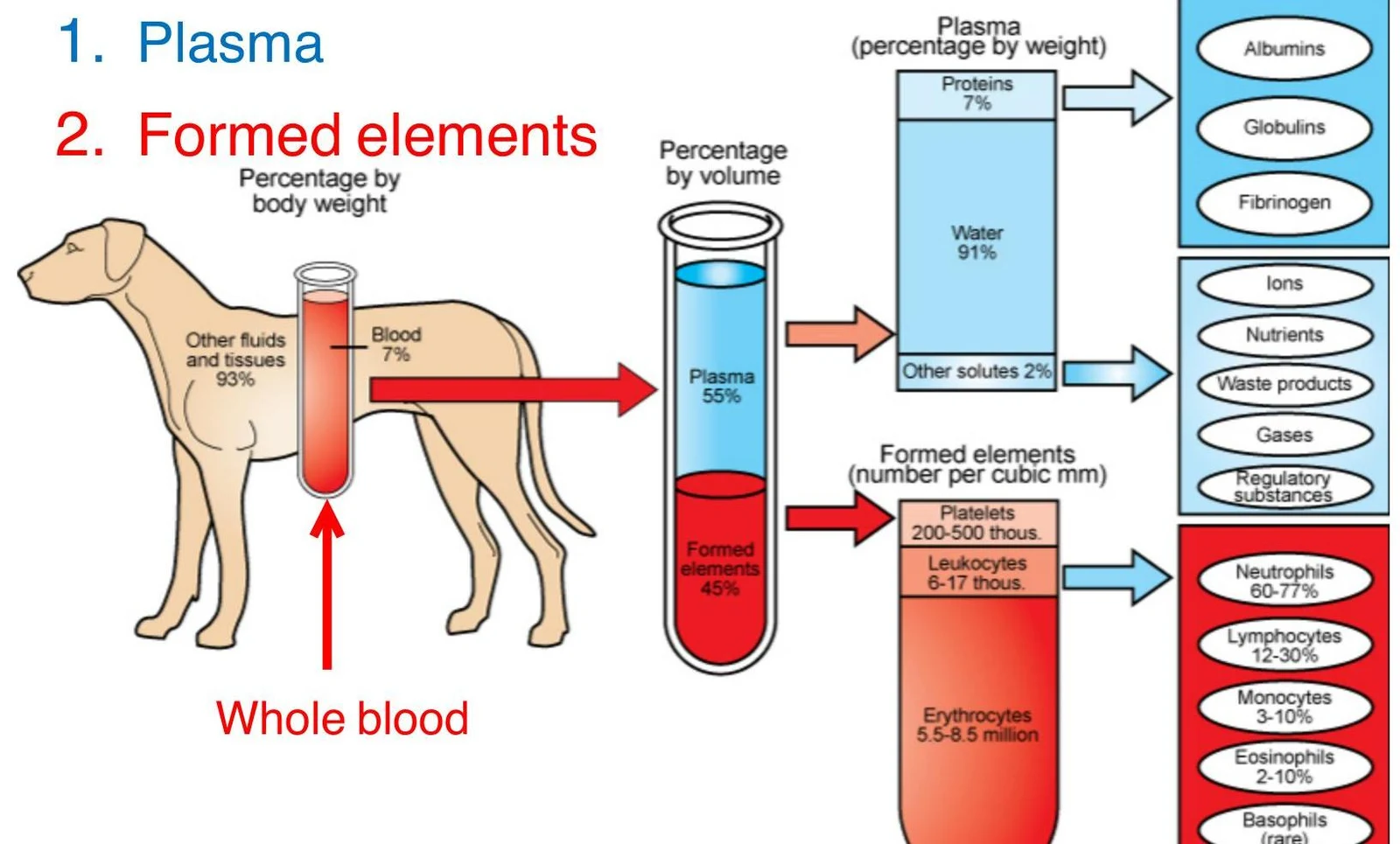
Blood Composition: Plasma and Formed Elements
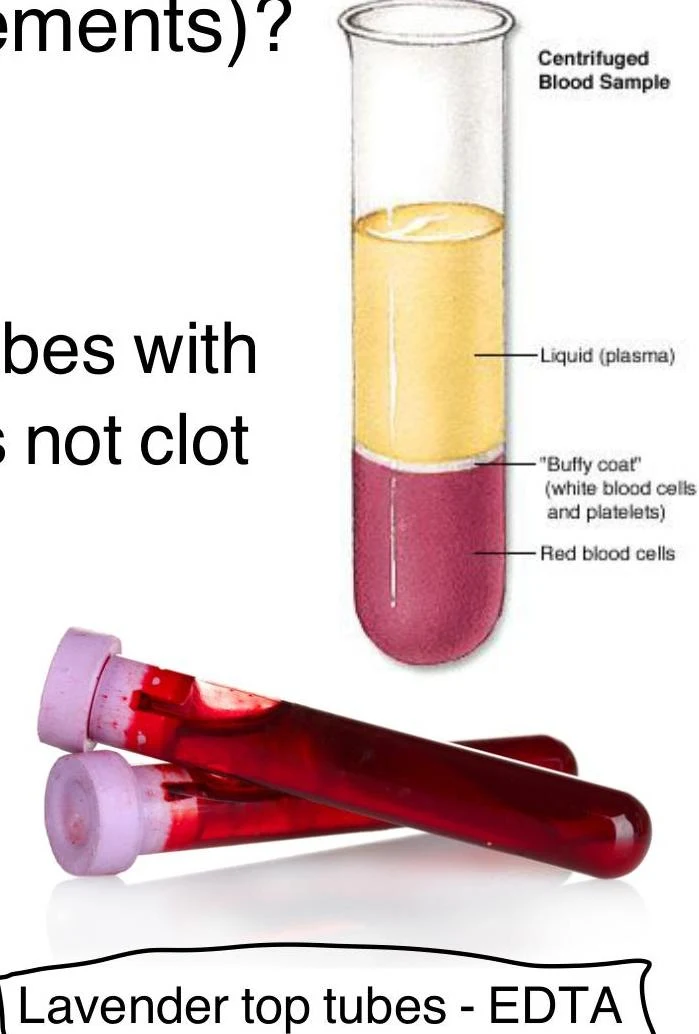
When blood is collected and centrifuged, it separates into distinct layers based on density. This separation allows clinicians to distinguish between the liquid component and the cellular components.
Plasma vs. Serum
The liquid portion of blood is known as plasma. It contains water, electrolytes, proteins, and various solutes. However, in clinical settings, you will often encounter serum. The primary difference lies in the presence of clotting factors:
- Plasma: The liquid component of whole blood that still contains clotting proteins.
- Serum: The liquid that remains after blood has been allowed to clot. Therefore, serum is essentially plasma minus the fibrinogen and other clotting factors used during the coagulation process.
Formed Elements
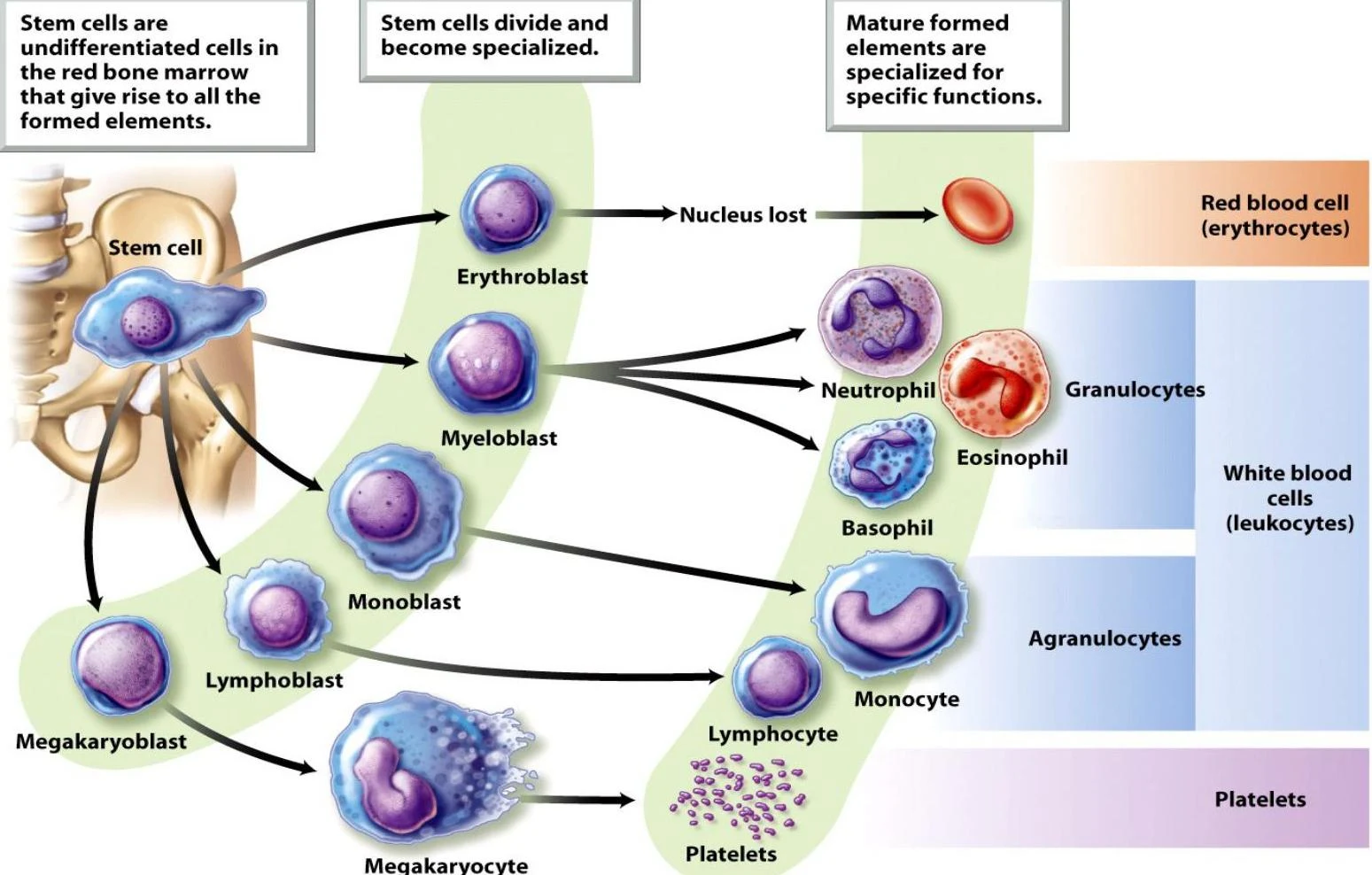
The "solid" portion of the blood consists of the formed elements, which include three main types of cells and cell fragments:
-
Erythrocytes (Red Blood Cells): Specialized for gas transport.
-
Leukocytes (White Blood Cells): The primary cells of the immune system, responsible for defending against pathogens.
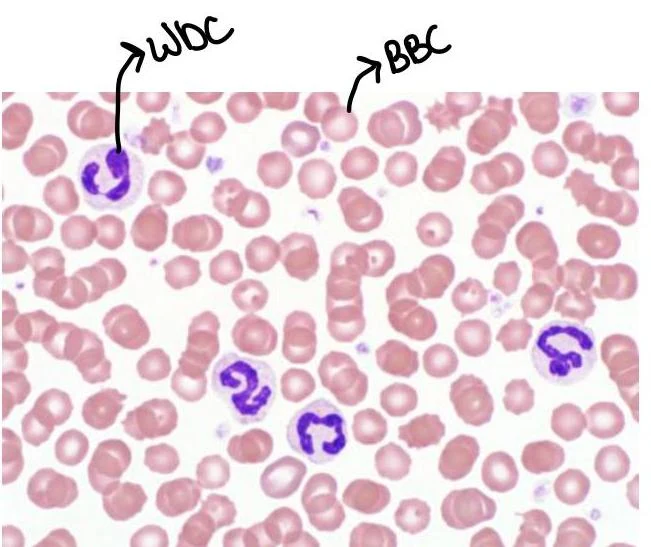
Microscopic view of human blood cells, showing red blood cells (RBCs) and white blood cells (WBCs). -
Thrombocytes (Platelets): Cell fragments essential for the blood coagulation pathway.
Keep reading for free.
Create an account to finish this reading and make it part of your study routine.
Continue reading freeAlready have an account? Log in
Updated