


Blood is a specialized connective tissue that serves as the primary transport medium for oxygen, nutrients, hormones, and waste products throughout the body. Beyond simple transport, it plays a critical role in immunity and the maintenance of homeostasis through complex processes like clotting. Understanding how blood is formed and how it responds to injury is fundamental to hematology and clinical medicine.
Hematopoiesis: The Origin of Blood Cells
All blood cells originate from a common ancestor known as a stem cell. Through a process called hematopoiesis, these undifferentiated stem cells undergo various stages of specialization to become mature, functional cells.
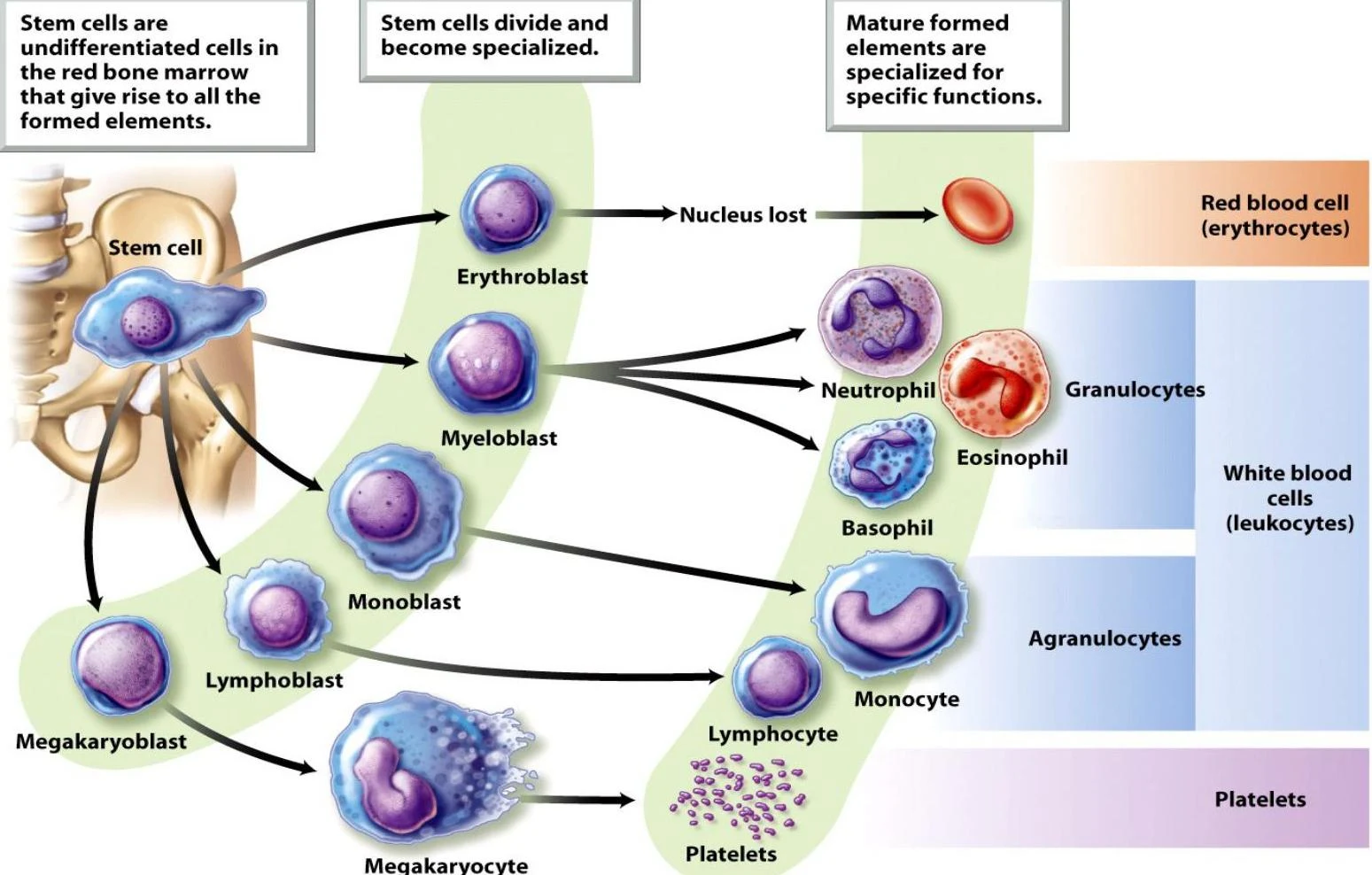
The differentiation pathways lead to several distinct lineages:
- Erythropoiesis: The specific developmental pathway that produces erythrocytes (red blood cells).
- Leukopoiesis: The production of various white blood cells (leukocytes) involved in immune defense.
- Thrombopoiesis: The process of creating thrombocytes (platelets).
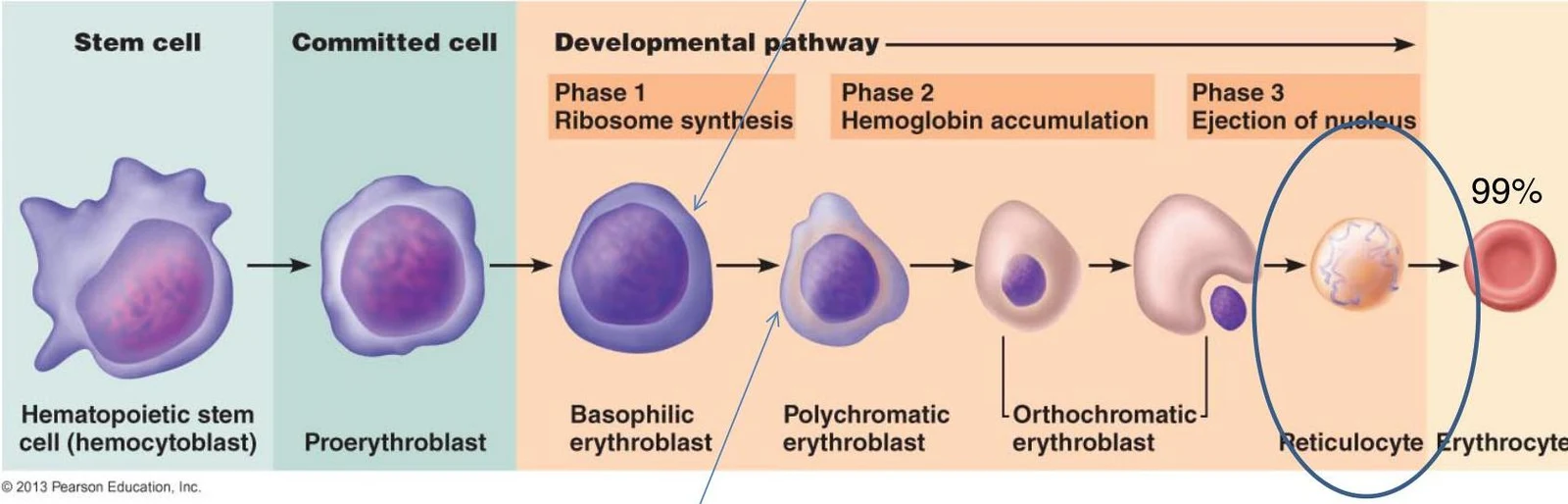
Erythrocytes (Red Blood Cells)
Erythrocytes are the most numerous cells in the blood. Their primary function is the transport of oxygen via the protein hemoglobin. Most mature erythrocytes possess a unique biconcave shape, which increases surface area for gas exchange.
Thrombocytes (Platelets)
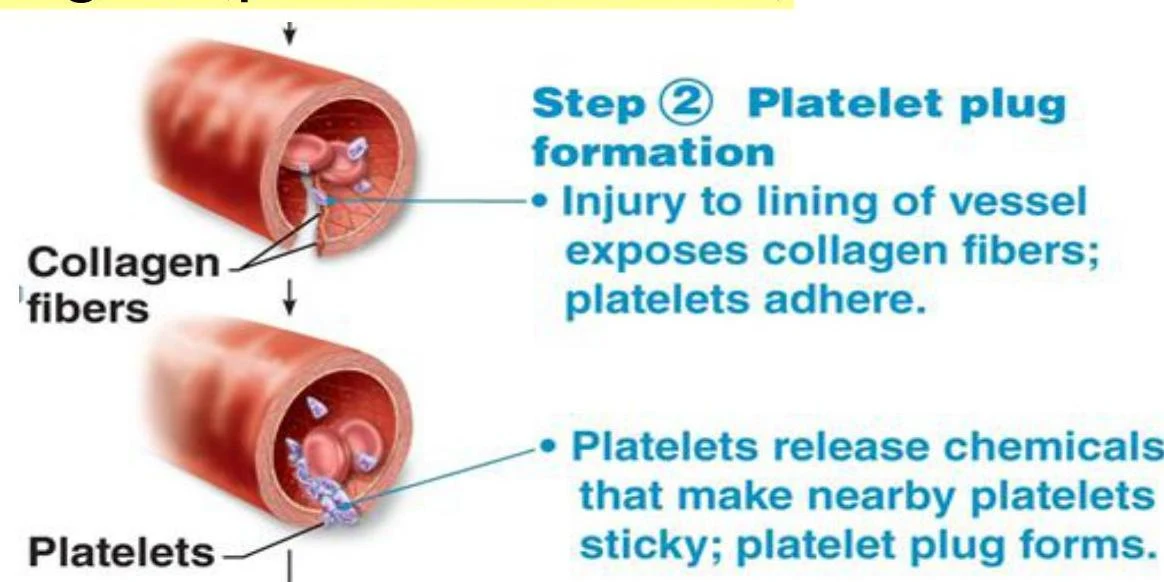
Unlike erythrocytes, thrombocytes are not complete cells but rather small, membrane-bound fragments. They are produced from much larger cells in the bone marrow called megakaryocytes.


Keep reading for free.
Create an account to finish this reading and make it part of your study routine.
Continue reading freeAlready have an account? Log in
Updated