


Unipolar depression is a debilitating condition characterized by persistent sadness, loss of energy, low self-worth, and a lack of pleasure. Unlike bipolar disorder, which involves alternating periods of mania and depression, unipolar depression occurs without a history of manic episodes. Because research suggests that biological abnormalities—such as neurotransmitter imbalances and brain circuit dysfunction—play a significant role in the development of this disorder, biological interventions have become a cornerstone of clinical treatment.
Biological treatments for unipolar depression are generally categorized into two primary approaches: antidepressant medications and brain stimulation therapies.
Antidepressant Medications
Monoamine Oxidase (MAO) Inhibitors
Developed in the 1950s, MAO inhibitors were among the first drugs used to treat depression. These drugs work biochemically by slowing down the body's production of the enzyme monoamine oxidase.
While approximately 50% of patients find relief using this class of medication, they come with significant precautions. Specifically, MAO inhibitors can cause dangerous rises in blood pressure if the patient consumes certain common foods.
Tricyclics
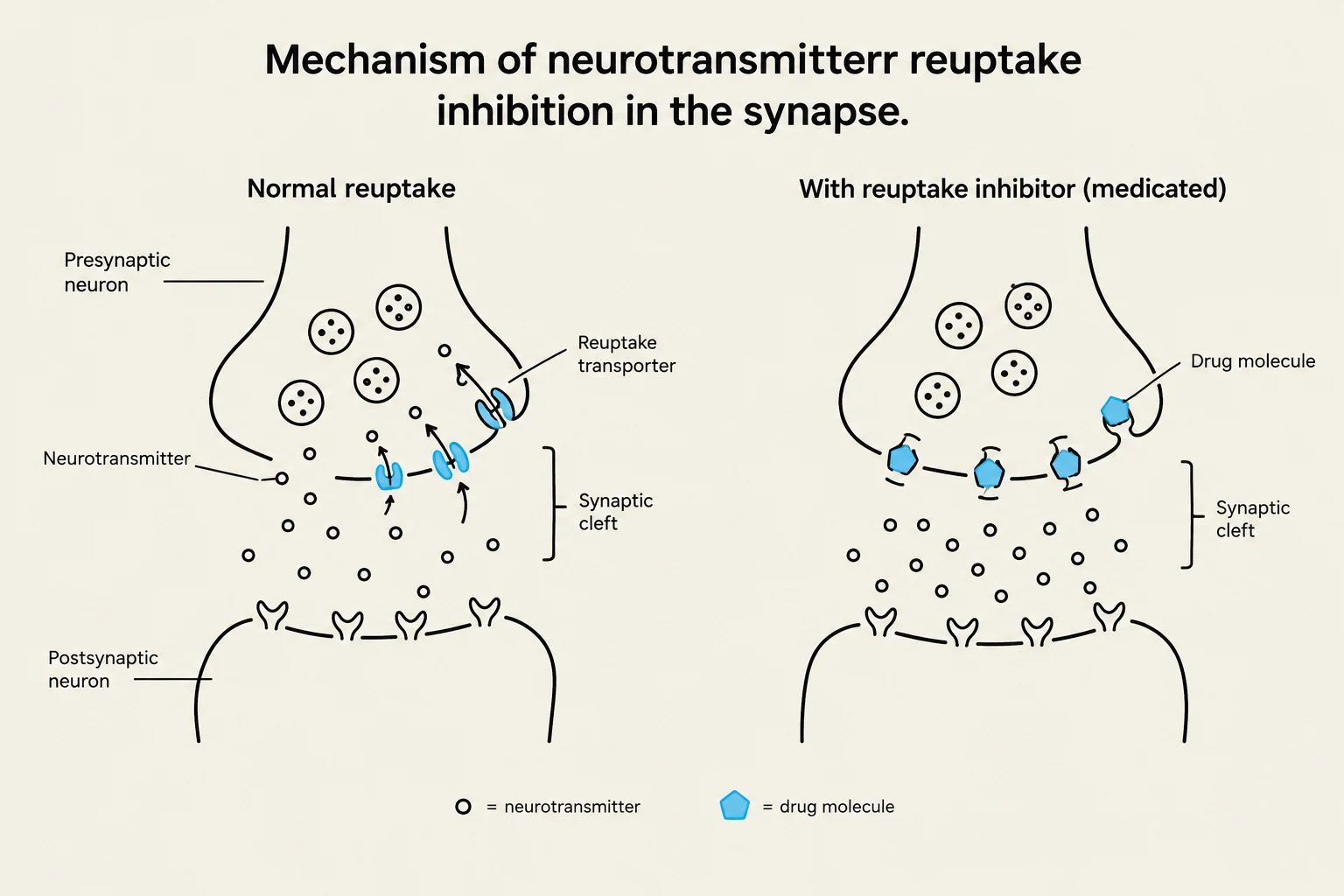
Tricyclic antidepressants act on the neurotransmitter reuptake mechanisms of key neurons. In a healthy brain, neurotransmitters are released into the synapse and then reabsorbed by the sending neuron through a process called reuptake. In many depressed individuals, this process may be overly vigorous. Tricyclics block this reuptake, allowing serotonin and norepinephrine to remain in the synapses longer, thereby increasing their availability to receive signals.
Keep reading for free.
Create an account to finish this reading and make it part of your study routine.
Continue reading freeAlready have an account? Log in
Updated