


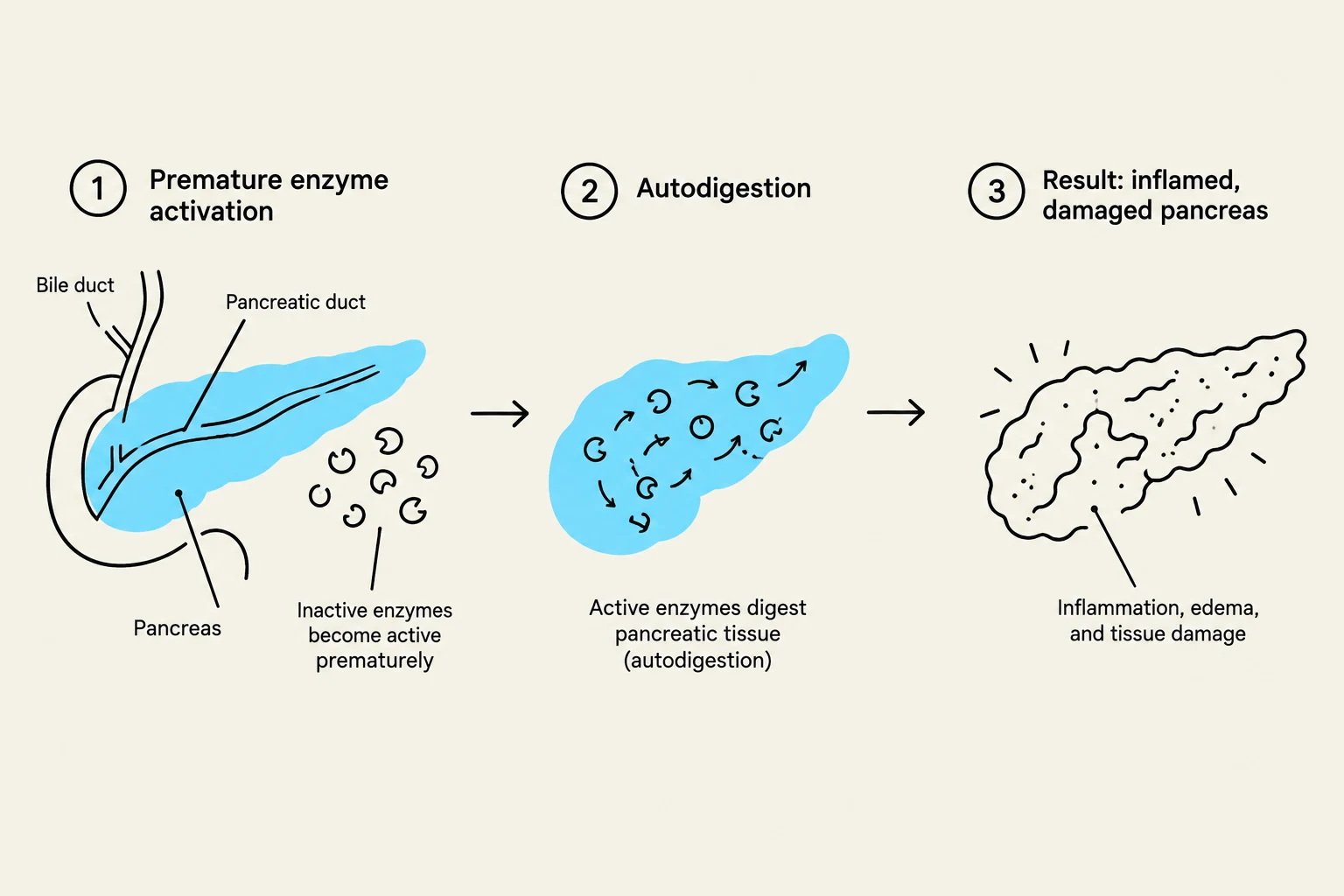
Understanding the complexities of the biliary system and the pancreas is essential for managing some of the most painful and potentially life-threatening conditions in gastroenterology. This guide explores the progression from simple gallstones to systemic organ failure, providing a roadmap for clinical assessment and management.
Biliary Anatomy and Physiology
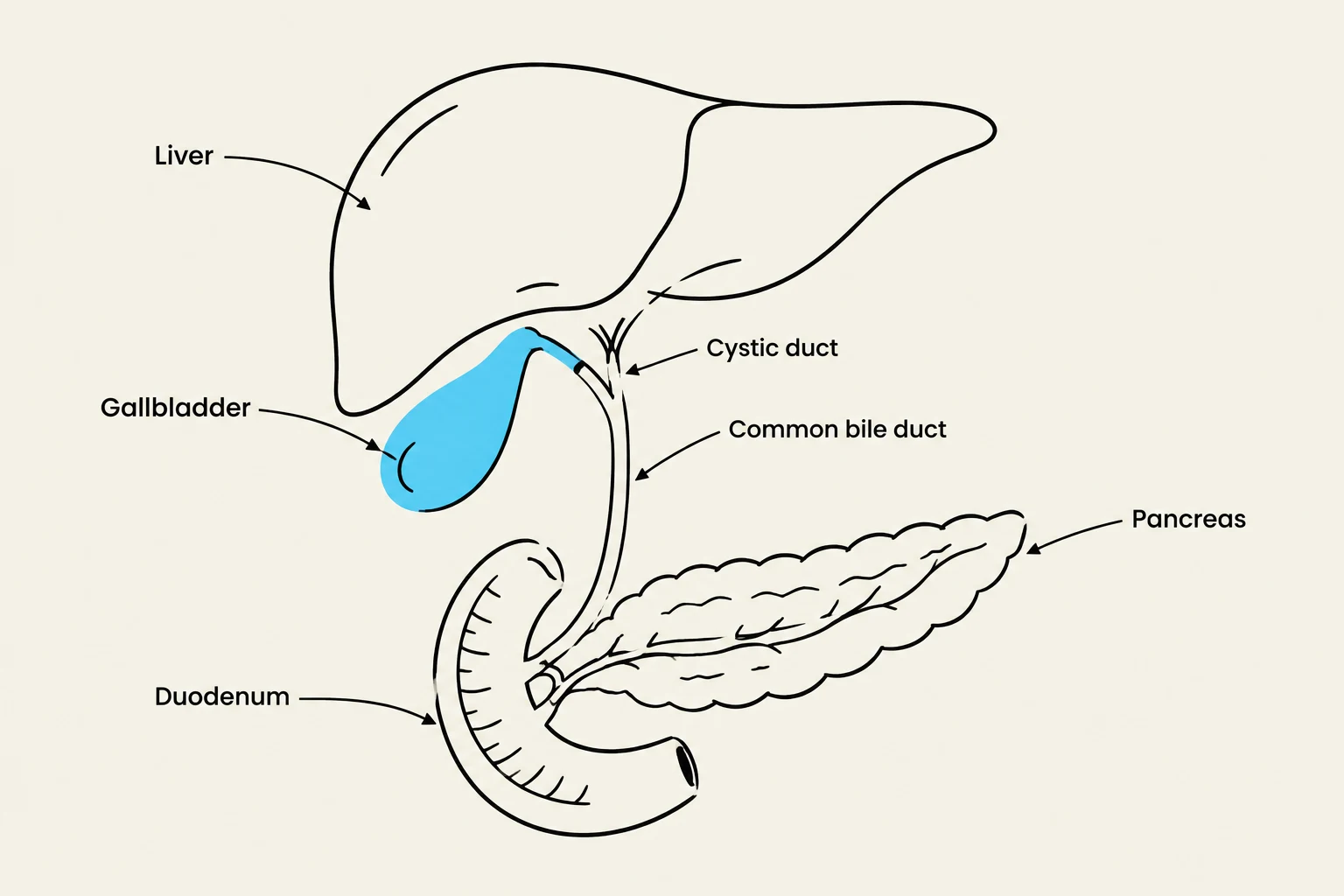
The biliary system is a sophisticated network designed to transport bile—a fluid produced by the liver to aid in fat digestion—to the small intestine. The primary components include the gallbladder (a storage reservoir for bile), the cystic duct, the common bile duct, and the pancreatic duct. Bile travels from the liver through the hepatic ducts, enters the gallbladder via the cystic duct for concentration, and is released through the common bile duct into the duodenum during digestion.
Gallstone Disease and Biliary Obstruction
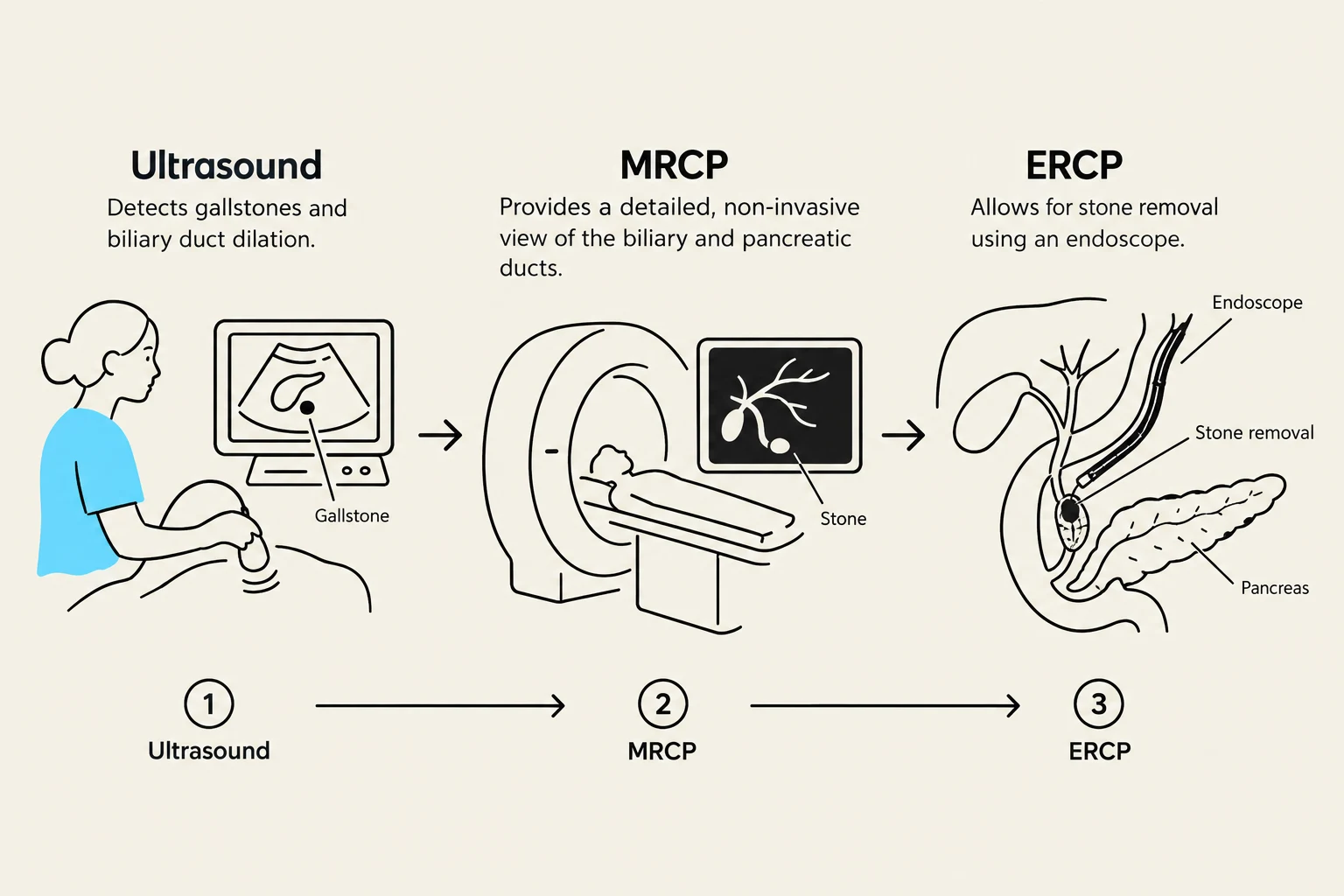
Disorders often begin with cholelithiasis, the formation of gallstones within the gallbladder. When these stones temporarily obstruct the ducts, patients experience biliary colic—intense, episodic right upper quadrant (RUQ) pain. If the stone becomes lodged and causes inflammation of the gallbladder wall, the condition progresses to acute cholecystitis.
If a stone obstructs the common bile duct, it leads to biliary obstruction, which manifests through several classic clinical signs:
- Jaundice: Yellowing of the skin and sclera due to bilirubin buildup.
- Pruritus: Severe itching caused by the deposition of bile salts in the skin.
- Dark Urine: Resulting from excess bilirubin being excreted by the kidneys.
- Clay-colored Stools: Occurs because bile cannot reach the intestine to pigment the stool.
- Steatorrhea: Fatty, foul-smelling stools caused by the inability to digest fats without bile.
Keep reading for free.
Create an account to finish this reading and make it part of your study routine.
Continue reading freeAlready have an account? Log in
Updated