


In a multiethnic society, the goal of the medical system is to provide optimal care for all patients. However, when healthcare providers and patients come from different backgrounds, the result can often be confusion and conflict unless there is a shared understanding of cultural differences. To bridge this gap, healthcare professionals must move beyond mere medical knowledge and embrace the principles of cultural competence.
Understanding the Need: Health Care Disparities
The United States healthcare system faces a significant crisis regarding health care disparities—the unequal distribution of health outcomes and access to care among different population groups. These disparities are not merely coincidental; they are driven by factors such as poverty, inadequate access to care, and poor quality of care.
Data highlights the severity of these gaps. For instance, infants born to African American women are 1.5 to 3 times more likely to die than those born to other races. Similarly, Hispanic women face higher rates of cervical cancer, and both American Indians and Hispanics experience higher rates of diabetes compared to white individuals. One critical factor in these disparities is the quality of patient counseling; studies have shown that minority patients often receive care from lower-quality hospitals, particularly in the realm of communication.
Defining Cultural Competence and Sensitivity
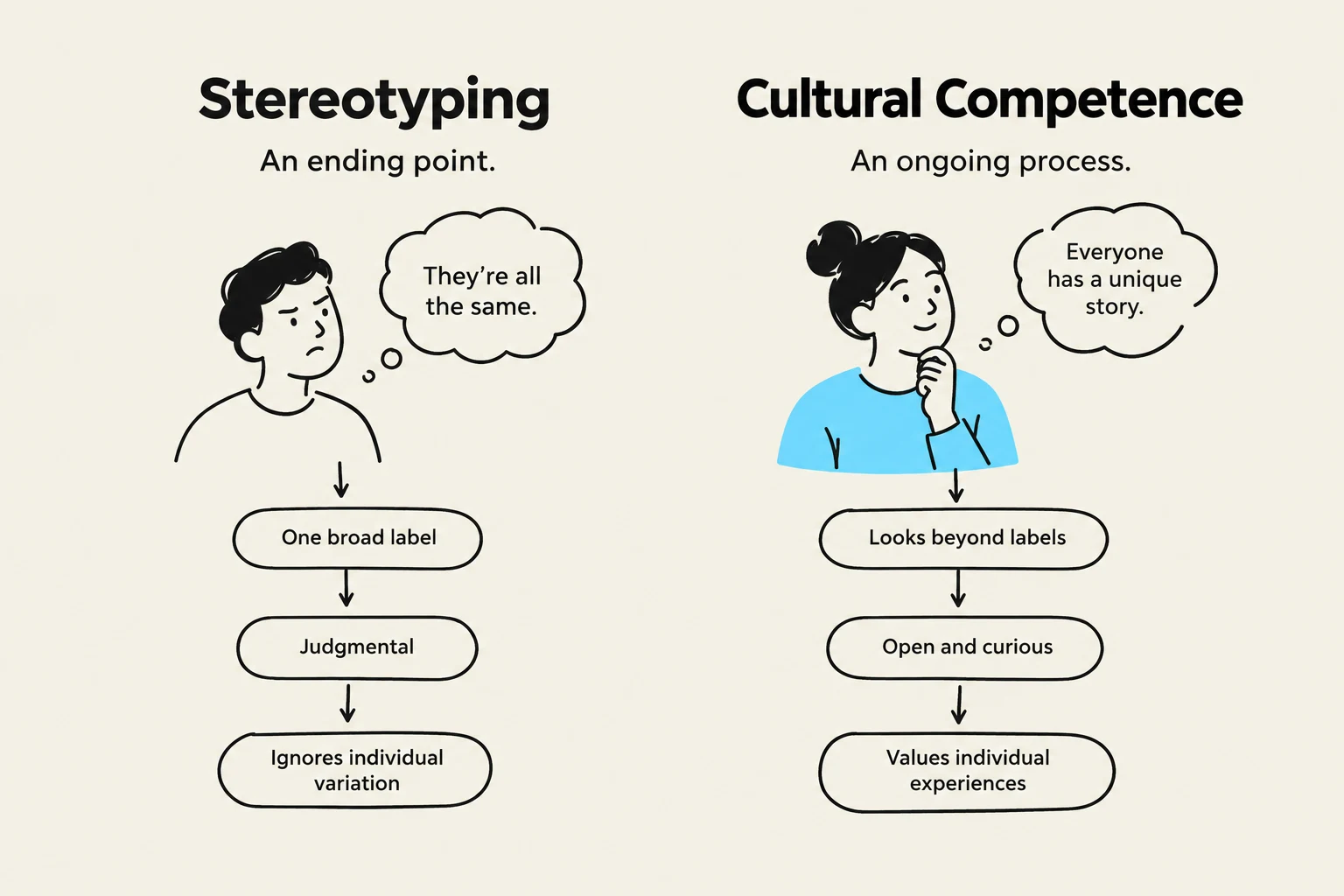
While the terms are often used interchangeably, they represent a continuous process of growth.
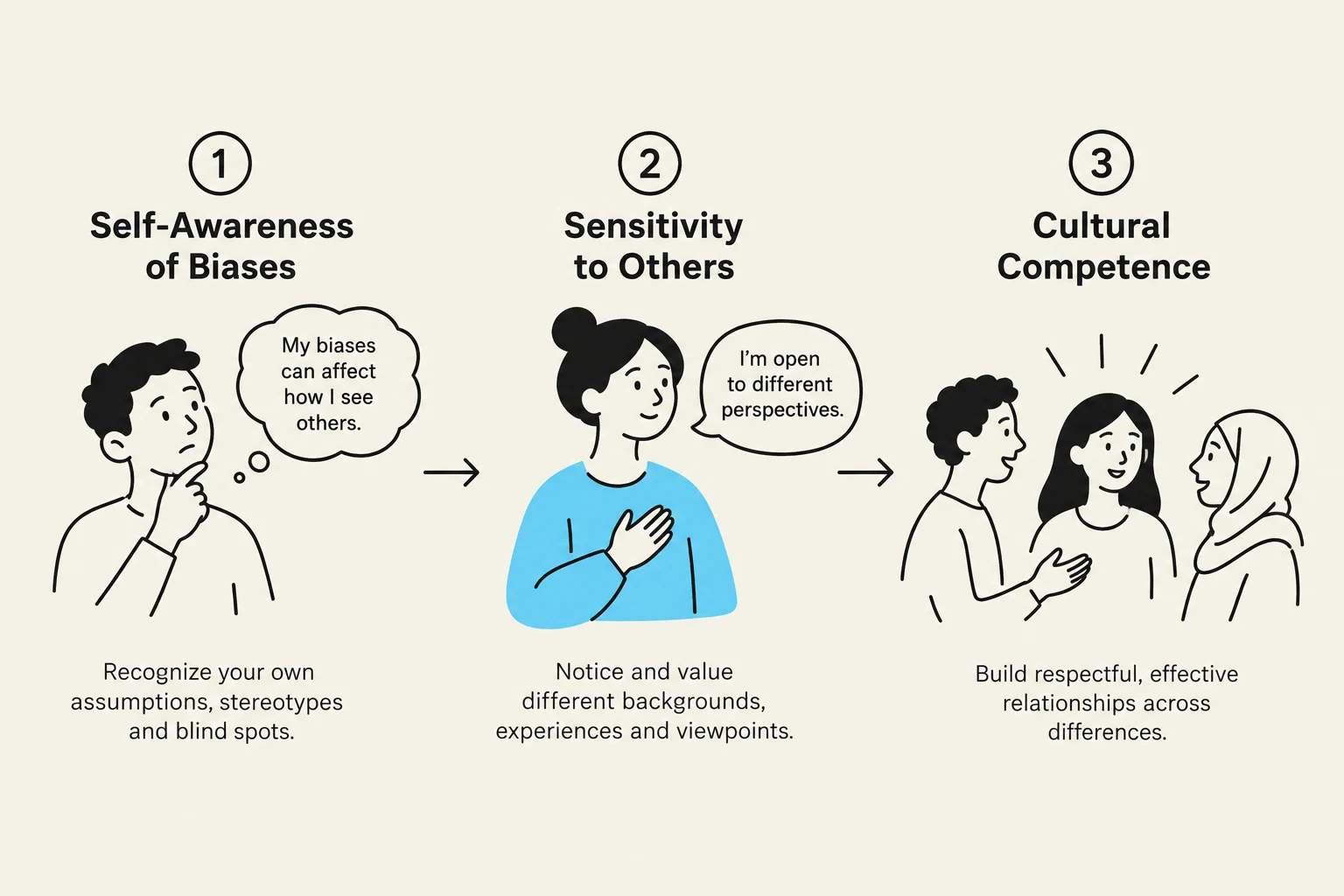
Cultural sensitivity involves becoming aware of and respecting the cultures of others. Cultural competence is a more active, multi-step journey:
- Understanding your own culture and inherent biases.
- Becoming sensitive to the cultures of others and appreciating differences.
- Acquiring specific knowledge regarding the values and beliefs of other cultures.
- Applying that knowledge to clinical practice.
Keep reading for free.
Create an account to finish this reading and make it part of your study routine.
Continue reading freeAlready have an account? Log in
Updated