


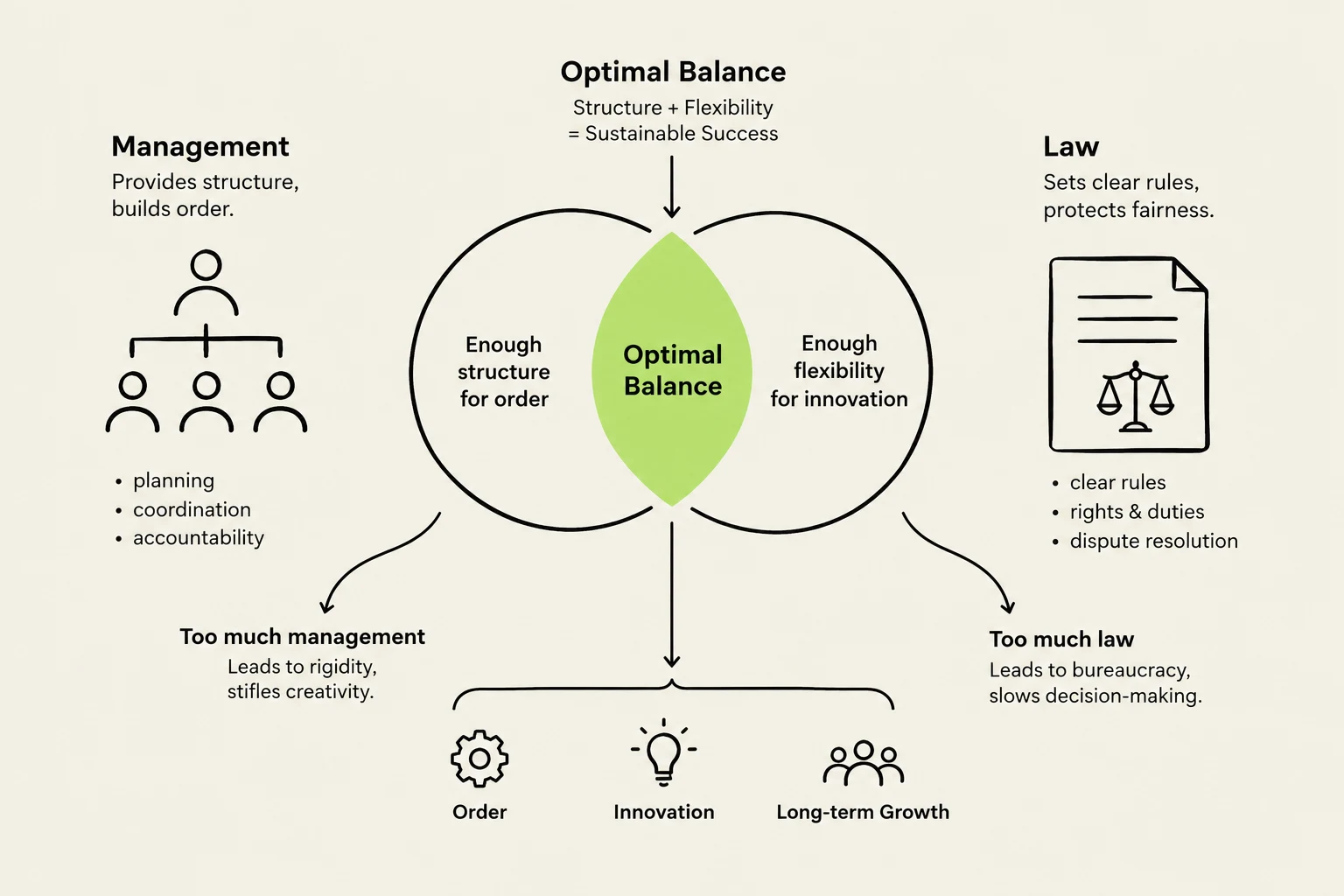
In the modern global economy, businesses face a dual challenge: they must navigate internal organizational complexities while complying with increasingly rigorous external government mandates. To understand how companies adapt to these pressures, we can look toward ancient philosophical frameworks and contemporary regulatory trends. By examining the tension between Confucianism and Taoism in management, and comparing it to the growing scope of government regulation in areas like climate change, we can uncover a central theme: the delicate balance between control and freedom.
The Philosophical Foundations of Management
Traditional Chinese business management has long been influenced by two contrasting philosophical pillars: Confucianism and Taoism. These frameworks offer different approaches to how a company should be structured and how its leaders should behave.
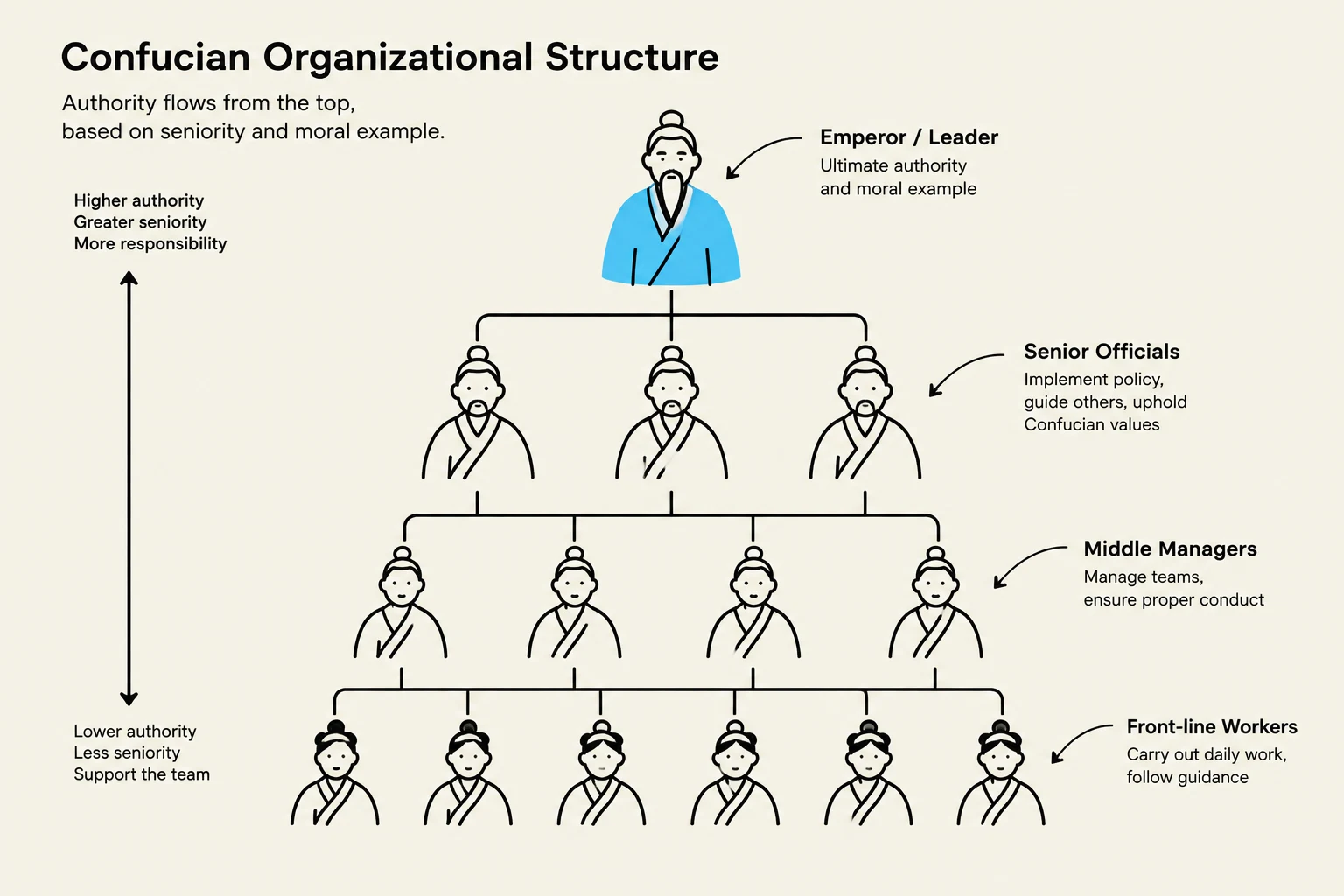
Confucianism: Structure and Hierarchy
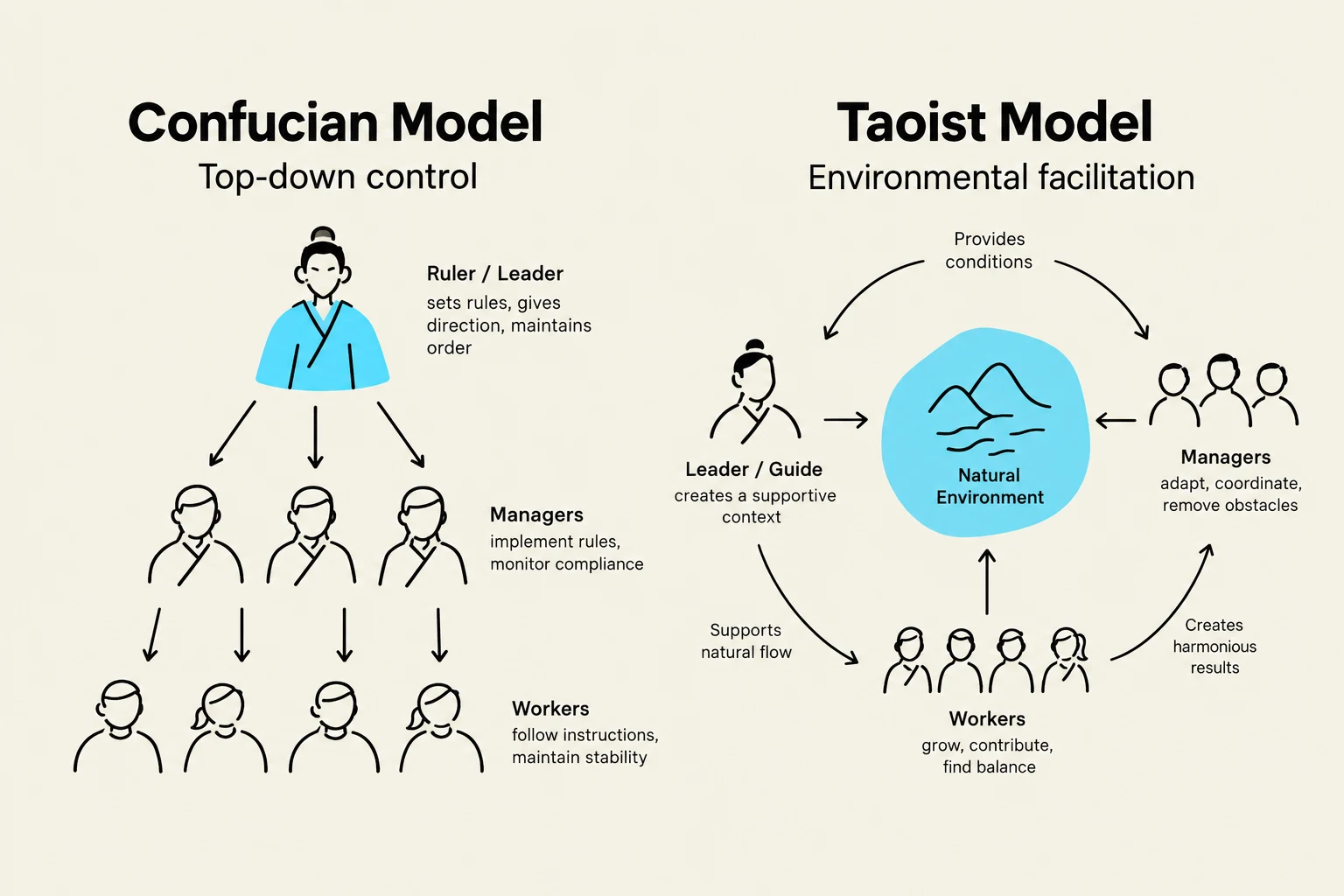
Confucianism is characterized by an emphasis on authority, seniority, organization, and strict regulation. In a business context, this translates to a clear hierarchy where roles are well-defined and decisions flow from the top down. This approach is highly effective for creating order and allowing large, complex organizations to function in a structured, predictable way.
However, the rigid nature of Confucian-style management can become a liability in the modern era. When a market is characterized by constant change and high levels of uncertainty, a strict hierarchy may struggle to react quickly enough to new threats or opportunities.
Taoism: Flexibility and Natural Growth
In contrast, Taoism offers a more fluid approach to leadership. Rather than attempting to control every variable through strict rules, Taoism focuses on creating the right conditions and allowing processes to develop naturally. This philosophy suggests that a leader's role is not necessarily to make every single decision, but to foster an environment where employees can thrive.
Keep reading for free.
Create an account to finish this reading and make it part of your study routine.
Continue reading freeAlready have an account? Log in
Updated