


All living organisms, from the smallest bacteria to the largest mammals, face a set of universal challenges: they must acquire energy, exchange materials with their environment, transport molecules, defend themselves, and reproduce. How an organism manages these tasks is deeply influenced by its physical structure—specifically its size, shape, and the way its cells are organized.
The Geometry of Life: Volume and Surface Area
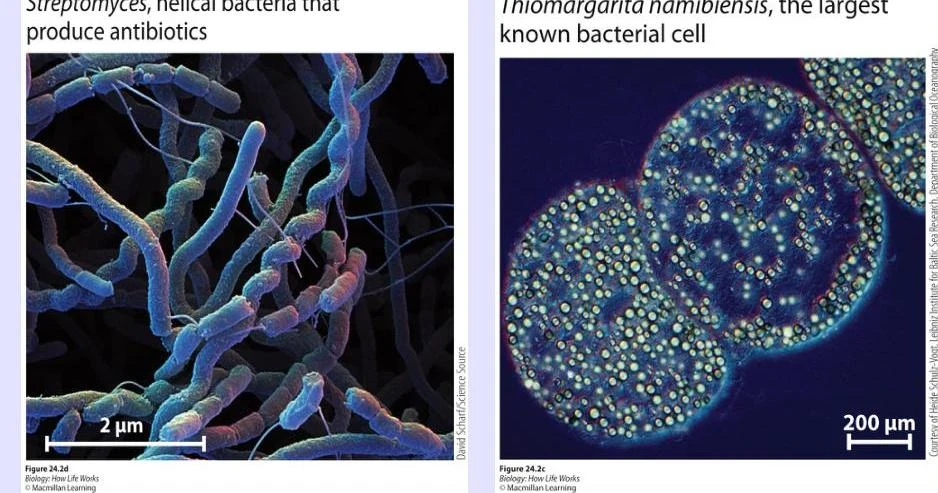
A fundamental constraint on all cells is the relationship between their volume and their surface area. Cells rely on their surface (the plasma membrane) to exchange nutrients, gases, and wastes with the external environment via processes like diffusion. However, the "workload" of the cell is determined by its volume—the space that requires nutrients and produces waste.
As a cell grows larger, its volume increases much faster than its surface area. This results in a decreasing surface area-to-volume ratio. A low ratio means the cell has relatively little membrane available to service the massive internal volume, creating "diffusion constraints" where nutrients cannot reach the center of the cell quickly enough to sustain life.
Maximizing Efficiency through Morphology
To overcome these constraints, many organisms have evolved specific shapes to maximize their surface area without significantly increasing volume:
- Flattening: Thin, leaf-like structures increase surface area.
- Folding: Intricate folds in membranes or tissues provide more exchange surface.
- Projections and Branching: Structures like mycelium or cellular projections extend into the environment.
- Pores: Organisms like sponges use pores to ensure most cells remain close to the environment.

Keep reading for free.
Create an account to finish this reading and make it part of your study routine.
Continue reading freeAlready have an account? Log in
Updated