


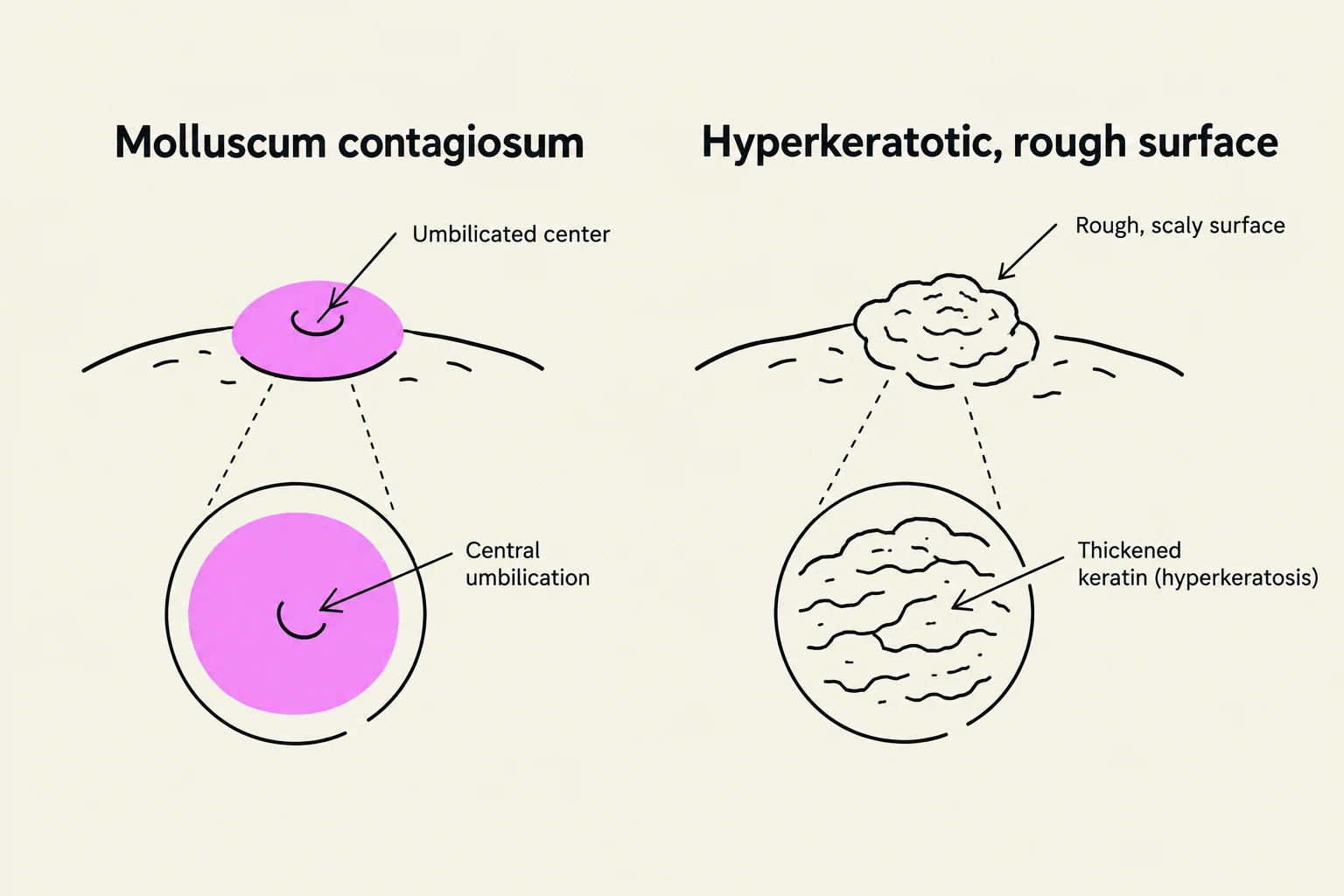
Skin infections can range from mild, self-limiting irritations to serious conditions requiring systemic intervention. Understanding the distinction between bacterial pathogens, which often present with inflammation and crusting, and viral pathogens, which frequently manifest as distinct papules or growths, is essential for effective clinical management and patient education.
Bacterial Skin Infections
Bacterial infections are common and are often caused by Staphylococcus or Streptococcus species.
Impetigo
Impetigo is a highly contagious bacterial infection often seen in pediatric populations. Its most hallmark clinical manifestation is the presence of honey-colored crusts. While it can be uncomfortable, the primary concern for caregivers is the ease of transmission through direct contact or shared items. Treatment typically involves topical antibiotics, such as mupirocin, to target the bacteria directly at the site of infection.
Folliculitis and Staph Infections
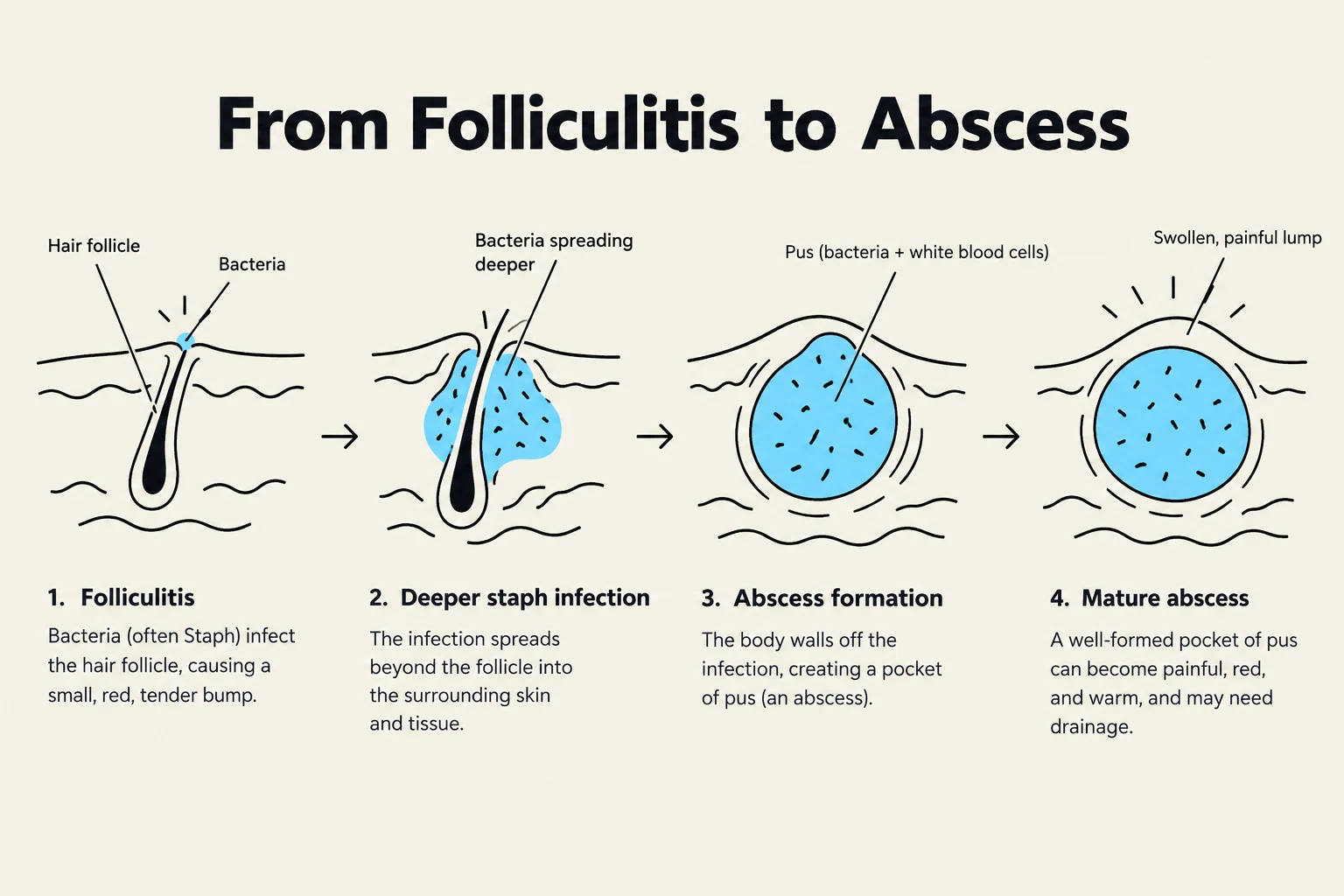
Folliculitis is an inflammation of the hair follicles, often appearing as small red bumps or white-headed pimples around a hair follicle. This is frequently a localized staph infection.
A more significant concern in clinical settings is MRSA (Methicillin-resistant Staphylococcus aureus). Unlike standard staph infections that respond to common antibiotics, MRSA is resistant to many standard treatments, making it more difficult to manage. MRSA is notorious for causing abscess formation, where a collection of pus forms under the skin, often requiring drainage and more aggressive antibiotic therapy.
Keep reading for free.
Create an account to finish this reading and make it part of your study routine.
Continue reading freeAlready have an account? Log in
Updated