


The autonomic nervous system (ANS) serves as the body's internal regulatory engine, managing the complex, involuntary processes required to maintain homeostasis. Unlike the somatic nervous system, which governs voluntary muscle movement, the ANS operates behind the scenes to control smooth muscle in visceral organs, cardiac muscle, and various glands. By balancing different physiological states, the ANS ensures that the body can respond to immediate threats while also conserving energy during periods of rest.
The Three Subdivisions of the ANS
The autonomic nervous system is organized into three distinct functional subdivisions: the sympathetic, parasympathetic, and enteric nervous systems.
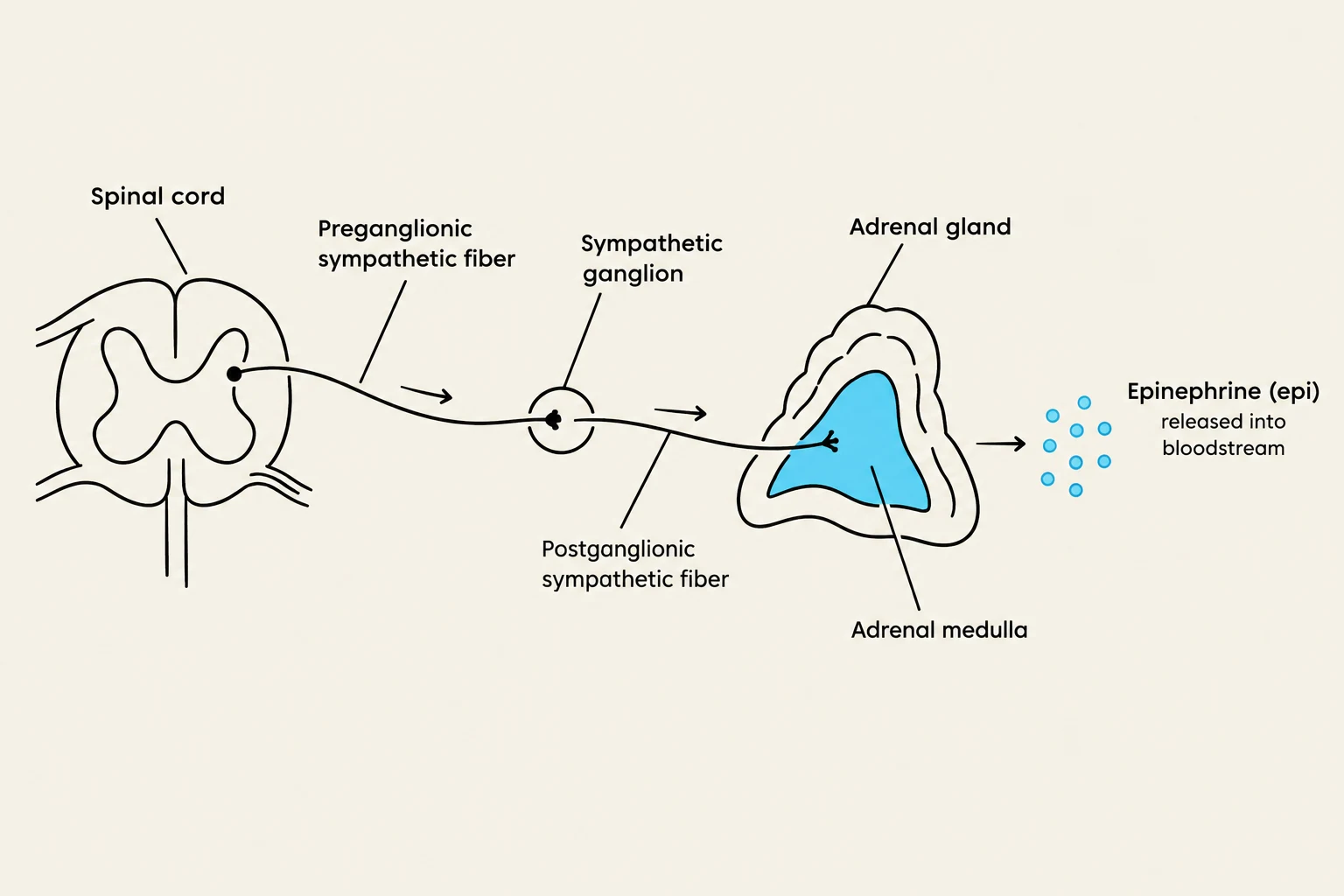
The Sympathetic Nervous System
Often referred to as the "fight or flight" system, the sympathetic nervous system prepares the body for intense physical activity or perceived threats. When activated, it increases heart rate, dilates airways, and redirects blood flow to essential muscles.
The Parasympathetic Nervous System
In contrast, the parasympathetic nervous system is responsible for the "rest and digest" functions. It works to conserve energy, slow the heart rate, and promote digestive processes, acting as a counterbalance to the sympathetic system to maintain equilibrium.
The Enteric Nervous System
The enteric nervous system is a specialized division that manages the complex functions of the gastrointestinal tract.
Exam Tip: Remember that the sympathetic and parasympathetic systems often act antagonistically (opposing each other) to regulate the same organs, such as the heart or lungs.
Keep reading for free.
Create an account to finish this reading and make it part of your study routine.
Continue reading freeAlready have an account? Log in
Updated