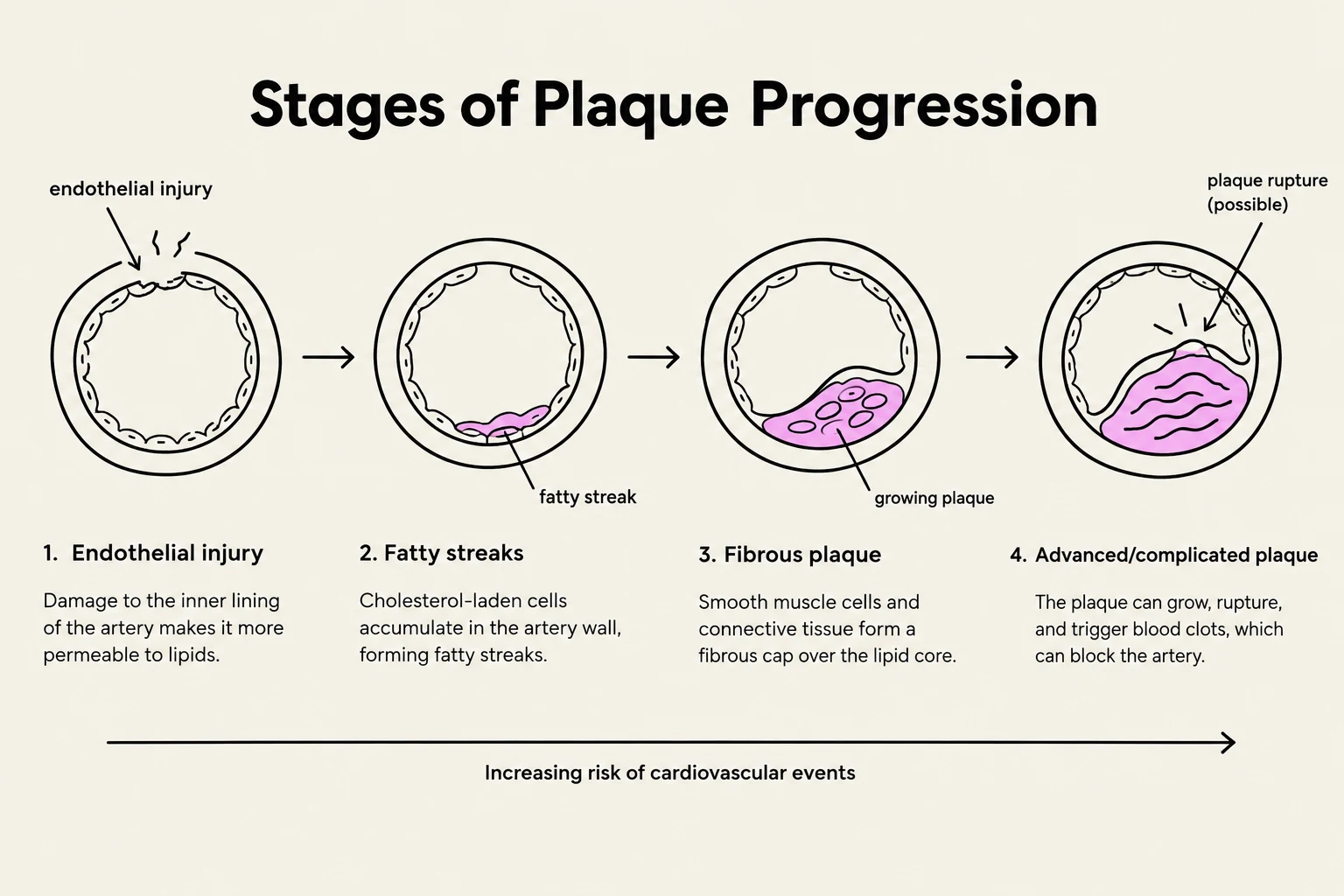
- Low-Density Lipoprotein (LDL): Often called "bad" cholesterol, LDL is composed mostly of cholesterol and transports lipids to tissues. A significant portion of lipid accumulation in atherosclerotic lesions occurs when macrophages take up LDL through scavenger pathways.
- High-Density Lipoprotein (HDL): Known as "good" cholesterol, HDL supports "reverse cholesterol transport," delivering cholesterol from peripheral tissues back to the liver.
- Triglycerides (TG): These are fats used for energy; high levels are often associated with increased cardiovascular risk.
Clinical management relies heavily on monitoring LDL-C levels. According to standard reference ranges, "optimal" LDL-C is <100 mg/dL, while "very high" levels are defined as >189 mg/dL.
The ACC/AHA Guidelines and Risk Assessment
The American College of Cardiology (ACC) and the American Heart Association (AHA) provide the evidence-based foundation for managing blood cholesterol. Their guidelines distinguish between two primary approaches: Primary Prevention (preventing the first event in healthy individuals) and Secondary Prevention (managing patients who already have clinical ASCVD).
The ASCVD Risk Estimator
For adults aged 40–75 without diabetes, clinicians use the ASCVD Risk Estimator to predict the 10-year risk of a cardiovascular event. This tool considers several variables:
- Age and Sex
- Race
- Cholesterol levels (Total and HDL)
- Blood pressure
- Diabetes status
- Smoking status
The resulting percentage helps categorize patients into risk groups:
- Low Risk: <5%
- Borderline Risk: 5% to <7.5%
- Intermediate Risk: ≥7.5% to <20%
- High Risk: ≥20%
Exam Tip: When using the ASCVD Risk Estimator, remember that it is a tool to guide decisions about statin therapy and lifestyle interventions, not a definitive diagnosis of disease presence.
Risk Enhancers and Coronary Artery Calcium (CAC)
If a patient's risk is uncertain (e.g., in the "borderline" category), clinicians may look for ASCVD Risk Enhancers. These include family history of premature ASCVD, chronic kidney disease, metabolic syndrome, or persistently elevated LDL-C (≥160 mg/dL).
Another critical tool is the Coronary Artery Calcium (CAC) score, obtained via imaging.
- CAC = 0: Indicates lower risk; statins may not be necessary unless other high-risk factors like diabetes are present.
- CAC = 1–99: Favors the initiation of statin therapy, especially in patients over age 55.
- CAC ≥100: Strongly indicates the need for statin therapy.
Statin Benefit Groups and Pharmacotherapy
The ACC/AHA guidelines identify four specific groups that benefit most from statin therapy:
- Clinical ASCVD: Individuals with existing disease (Secondary Prevention).
- Severe Hypercholesterolemia: Individuals ≥21 years old with primary elevations of LDL-C ≥190 mg/dL.
- Diabetes: Individuals aged 40–75 with diabetes and LDL-C between 70–189 mg/dL.
- Intermediate Risk: Individuals aged 40–75 without diabetes or clinical ASCVD, but with an LDL-C of 70–189 mg/dL and a 10-year ASCVD risk ≥7.5%.
Statin Intensity and Other Medications
Statins work as HMG-CoA reductase inhibitors, blocking the enzyme responsible for endogenous cholesterol synthesis. They are categorized by their potency:
- High-intensity statins: Aim for significant LDL-C reduction.
- Moderate-intensity statins: Used when high-intensity is not required or tolerated.
For patients in the "very high-risk" secondary prevention group who cannot reach their target LDL-C (often defined as <70 mg/dL) with maximal statins, the addition of PCSK9 inhibitors (PCSK9i) is a reasonable clinical step.
Other lipid-lowering options include:
- Bile acid sequestrants: Reduce cholesterol reabsorption.
- Fibrates: Primarily used to lower triglycerides (TG).
- Nicotinic acid: Most effective at increasing HDL.
Lifestyle Modifications and Advanced Procedures
While medication is a cornerstone of treatment, lifestyle modifications are essential for all patients. Effective strategies include:
- Nutrition Therapy: Adopting patterns like the DASH or Mediterranean diets, focusing on reducing saturated fats and increasing soluble fiber.
- Physical Activity: Regular exercise to improve cardiovascular health.
- Smoking Cessation: A critical step in reducing overall vascular risk.
In cases where atherosclerosis has caused severe physical obstruction of the arteries, medical management may escalate from drugs to surgical or interventional procedures:
- Percutaneous Coronary Intervention (PCI): A minimally invasive procedure to open blocked arteries.
- Coronary Artery Bypass Graft (CABG): A surgical procedure to create new pathways for blood flow around blocked segments.
Summary Table: Medication Mechanisms
| Drug Class | Primary Target | Key Effect |
|---|
| Statins | HMG-CoA Reductase | ↓ LDL, ↓ TG, ↑ HDL |
| Fibrates | PPAR-alpha | ↓ TG (most effective) |
| Bile Acid Sequestrants | Bile Acid Reabsorption | ↓ LDL |
| Nicotinic Acid | VLDL secretion | ↑ HDL (most effective) |