


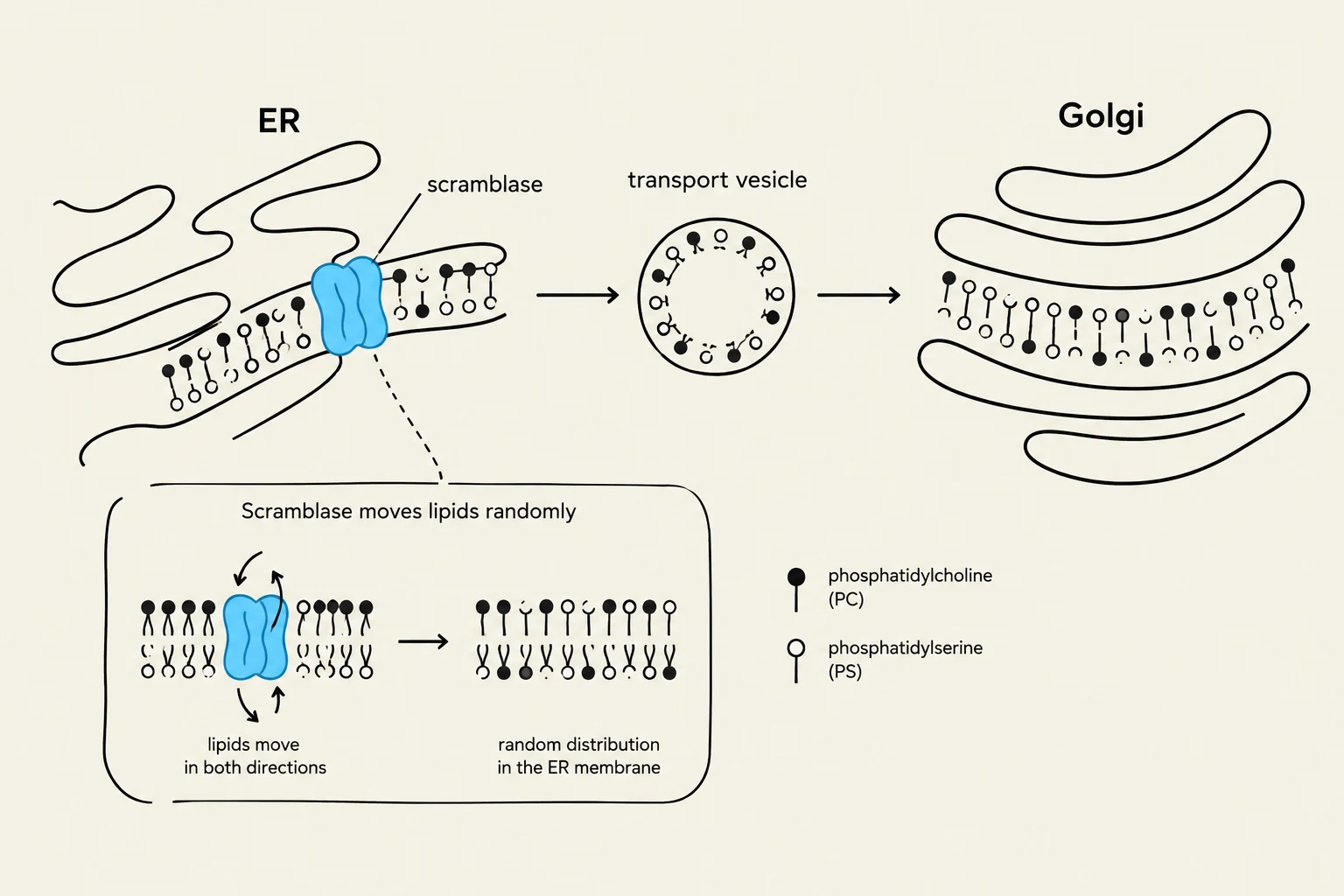
The plasma membrane is not merely a passive barrier; it is a highly organized, dynamic, and asymmetric structure that is essential for cellular life. While the membrane is often visualized as a simple lipid bilayer, the two layers—known as the leaflets—possess vastly different chemical compositions. This asymmetry is not accidental; it is a strictly regulated state maintained by specific enzymes that ensure the right lipids are in the right place to facilitate signaling, membrane curvature, and cell recognition.
The Building Blocks: Membrane Lipids
To understand asymmetry, we must first look at the molecules that compose the bilayer. Most membrane lipids are amphipathic, meaning they possess both a hydrophilic ("water-loving") head and a hydrophobic ("water-hating") tail.
Phosphoglycerides and Sphingolipids
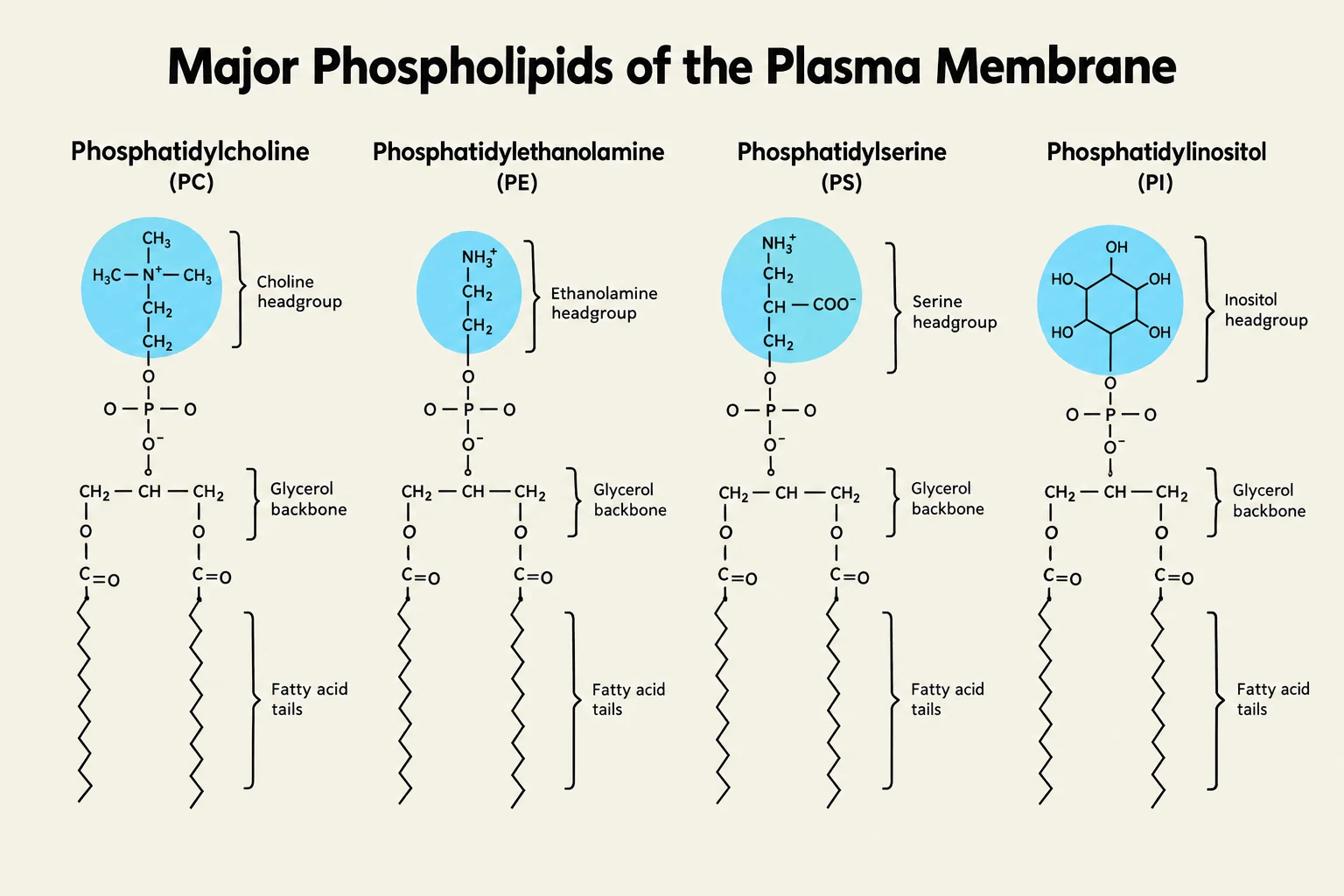
The most abundant lipids in most membranes are phosphoglycerides. These consist of a glycerol backbone, two fatty acid tails, and a polar head group attached via a phosphate group. Common examples include:
- Phosphatidylcholine (PC): The most common phospholipid in many cell membranes, typically found in the outer leaflet.
- Phosphatidylethanolamine (PE): A lipid with a smaller head group that often has a "cone" shape, helping to induce membrane curvature.
- Phosphatidylserine (PS): A negatively charged lipid primarily located in the inner leaflet.
- Phosphatidylinositols: Minor constituents of the inner leaflet that play critical roles in cell signaling.
Beyond phosphoglycerides, we find sphingolipids, which are derived from sphingosine. A key example is sphingomyelin, which is found exclusively in the extracellular leaflet. Additionally, glycolipids (lipids with attached carbohydrates) are also restricted to the outer leaflet, where they assist in intercellular interaction.

Keep reading for free.
Create an account to finish this reading and make it part of your study routine.
Continue reading freeAlready have an account? Log in
Updated