


Asthma is a chronic inflammatory disease of the airways that affects approximately 10% of the U.S. population. Characterized by airway hyperresponsiveness, bronchoconstriction, and airway remodeling, it represents a significant burden on the healthcare system, leading to hundreds of thousands of hospitalizations annually. Understanding the complex interplay between immune responses, physiological changes, and pharmacological interventions is essential for effective management.
Asthma Pathophysiology and the Allergic Cascade
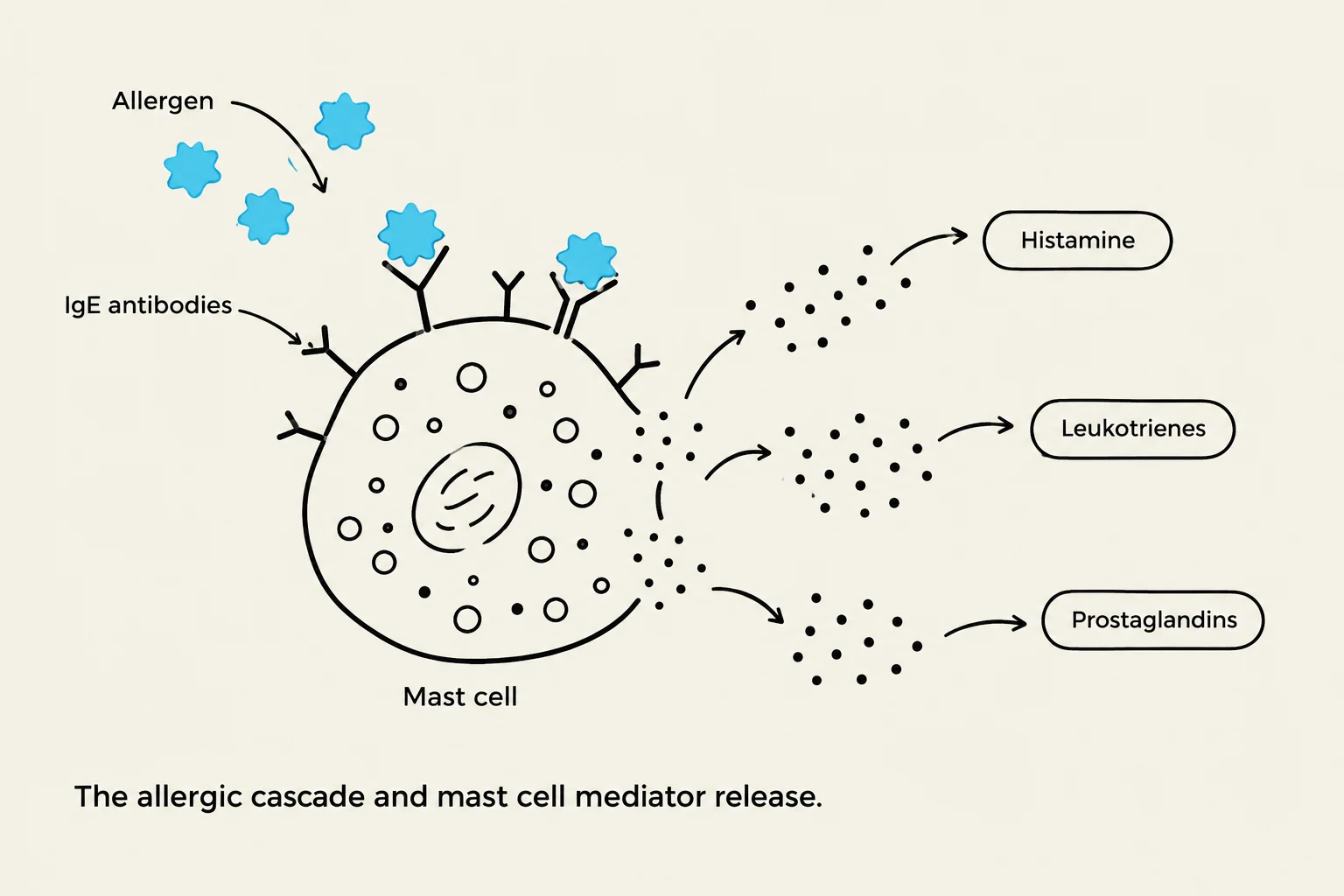
This process follows a specific "allergic cascade":
- Sensitization: Initial exposure to an allergen.
- Early-phase response: Occurs upon re-exposure to the allergen.
- Late-phase response: A second, often more severe reaction following the initial response.
During an attack, several mediators are released. Mast cell mediators include histamine, leukotrienes, prostaglandins, and interleukins. Additionally, inflammatory cell mediators such as eosinophils, leukocytes, and macrophages release cytokines and more leukotrienes, further driving the inflammatory process.
Airway Remodeling
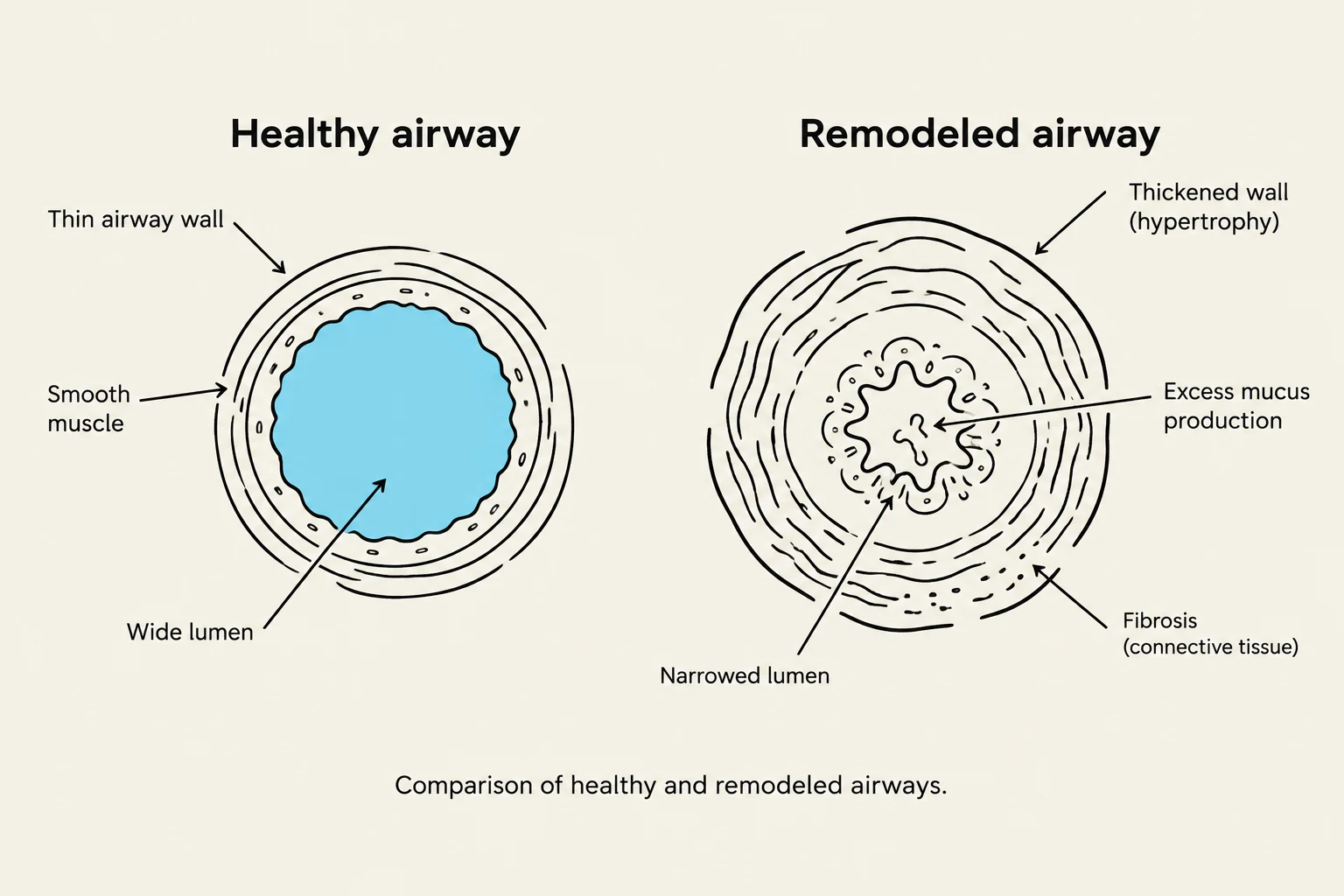
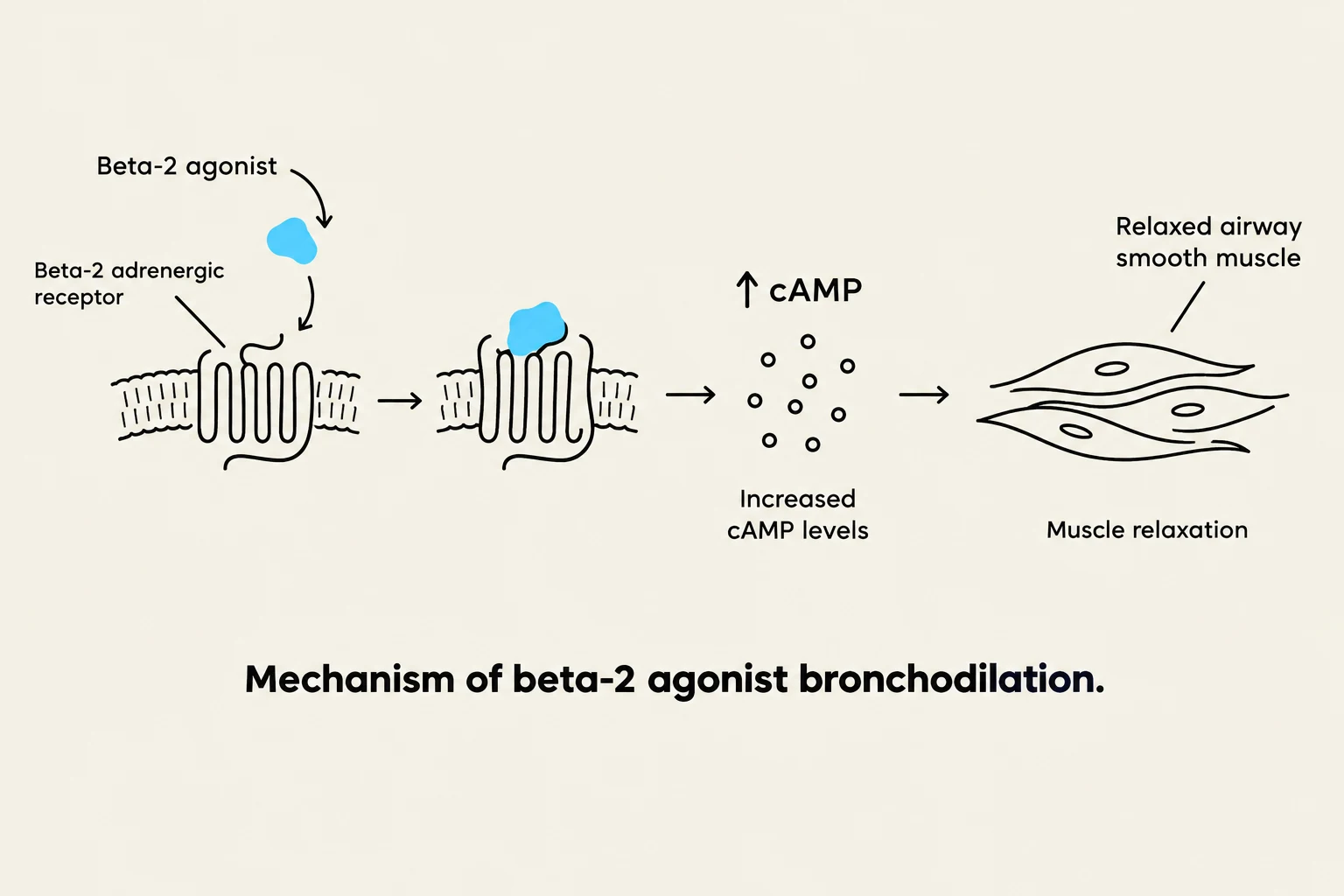
Keep reading for free.
Create an account to finish this reading and make it part of your study routine.
Continue reading freeAlready have an account? Log in
Updated