


Asthma is a chronic respiratory disease characterized by airway inflammation, which can lead to symptoms such as wheezing, shortness of breath, chest tightness, and cough. Because asthma involves variable airflow limitation and can lead to life-threatening exacerbations, effective management is critical. Modern asthma management focuses on two primary goals: controlling daily symptoms and preventing future exacerbations, airway damage, and medication side effects.
To achieve these goals, healthcare providers utilize a variety of medication classes, ranging from daily maintenance therapies to rapid-acting relievers and advanced biologic treatments.
The Foundation: Inhaled Corticosteroids (ICS)
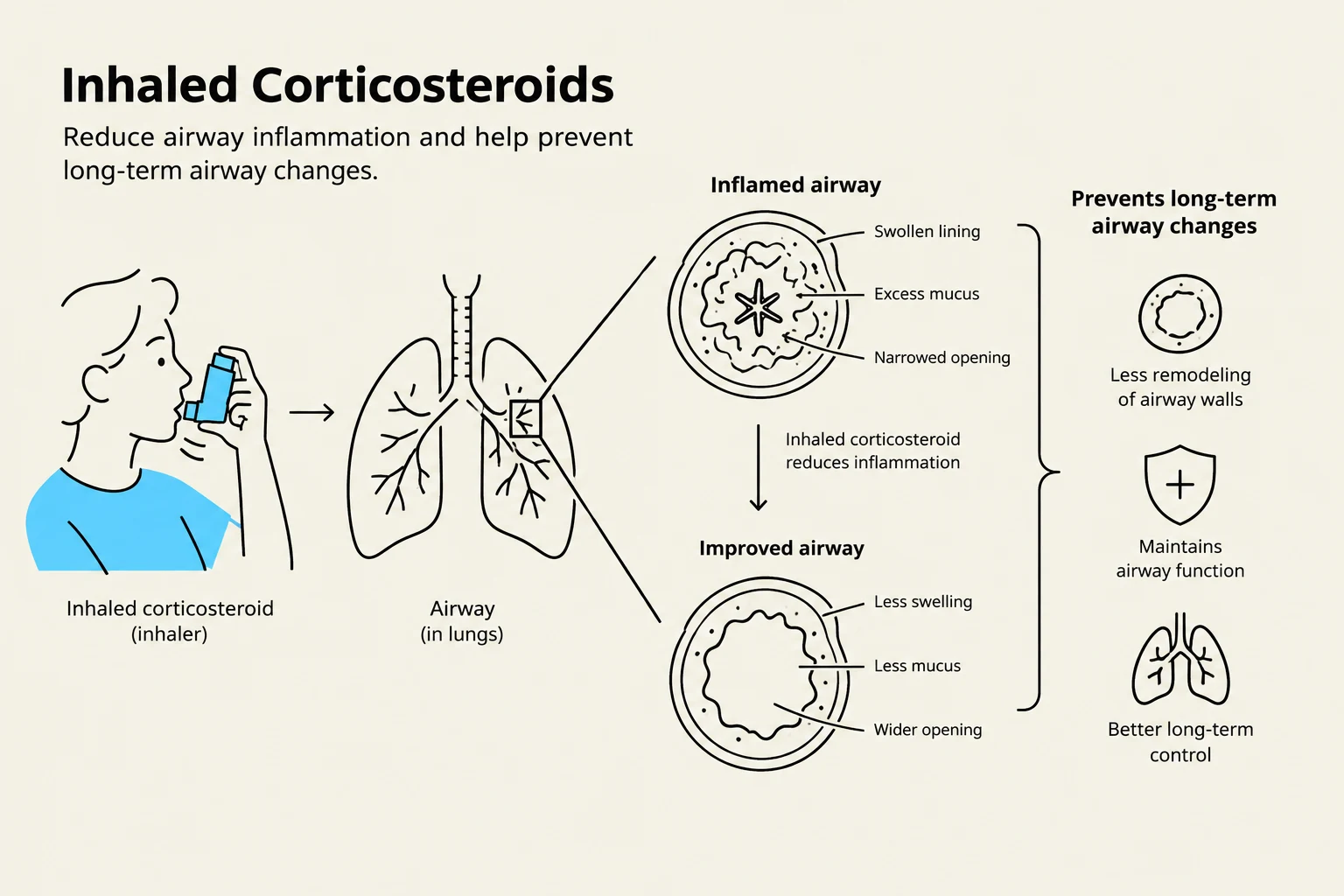
The cornerstone of asthma management is the use of Inhaled Corticosteroids (ICS). Unlike medications that only treat symptoms, ICS target the underlying chronic airway inflammation.
All patients, including those with infrequent or "mild" symptoms, should receive treatment that includes ICS. Early initiation of ICS is associated with better long-term lung function and a significantly reduced risk of hospitalizations and death. While low doses provide the most clinical benefit for most patients, some may require medium or high doses depending on their level of control.
Clinical Note: Never treat asthma solely with a Short-Acting Beta2-Agonist (SABA). Relying only on SABA increases the risk of severe exacerbations, worse lung function, and even death.
Reliever Therapies: SABA vs. AIR
When a patient experiences acute symptoms (bronchoconstriction), they require a "reliever" medication to open the airways quickly.
Keep reading for free.
Create an account to finish this reading and make it part of your study routine.
Continue reading freeAlready have an account? Log in
Updated