


In the field of emergency medicine, metabolic disturbances can present as some of the most challenging and unpredictable patient encounters. Among these, diabetic emergencies are frequent and require a highly systematic approach to ensure both provider safety and patient stability. Because the brain requires a constant supply of glucose to function—regulated by the reticular activating system (RAS)—any significant deviation in blood sugar levels can lead to rapid neurological decline. This article outlines the essential procedures for assessing a patient experiencing a suspected diabetic emergency.
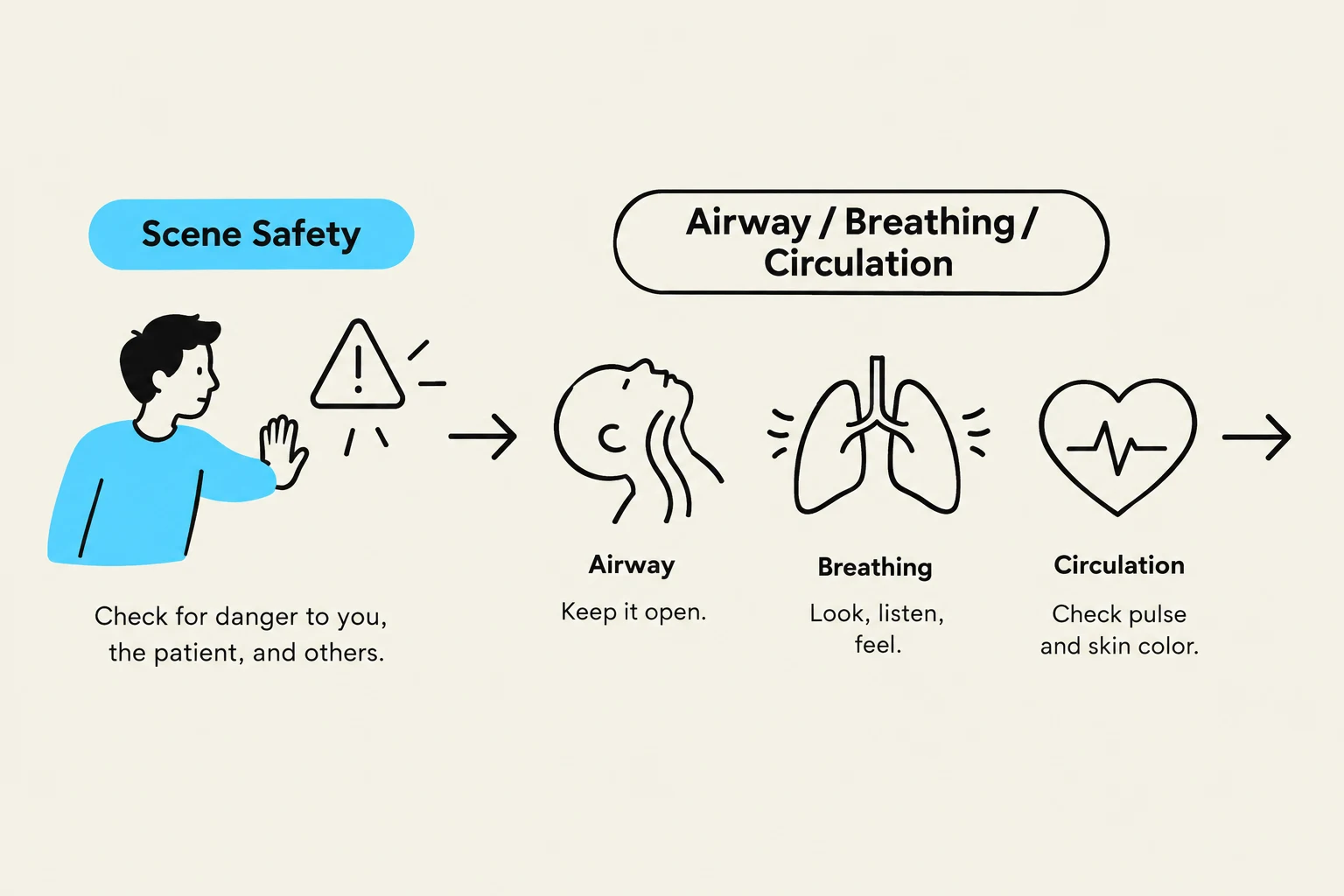
Scene Safety and Initial Precautions
Before any physical contact is made with a patient, the clinician must ensure scene safety. This is particularly critical in diabetic emergencies because metabolic imbalances often manifest as altered mental status. Patients experiencing these disturbances may exhibit agitated, combativeness, or even violent behavior. If a patient is acting strangely or appears dangerous, clinicians should consider using law enforcement assistance to secure the scene before proceeding with care.
Primary Assessment: Identifying Life Threats
The primary assessment is designed to identify immediate life threats and establish a baseline for the patient's neurological state.
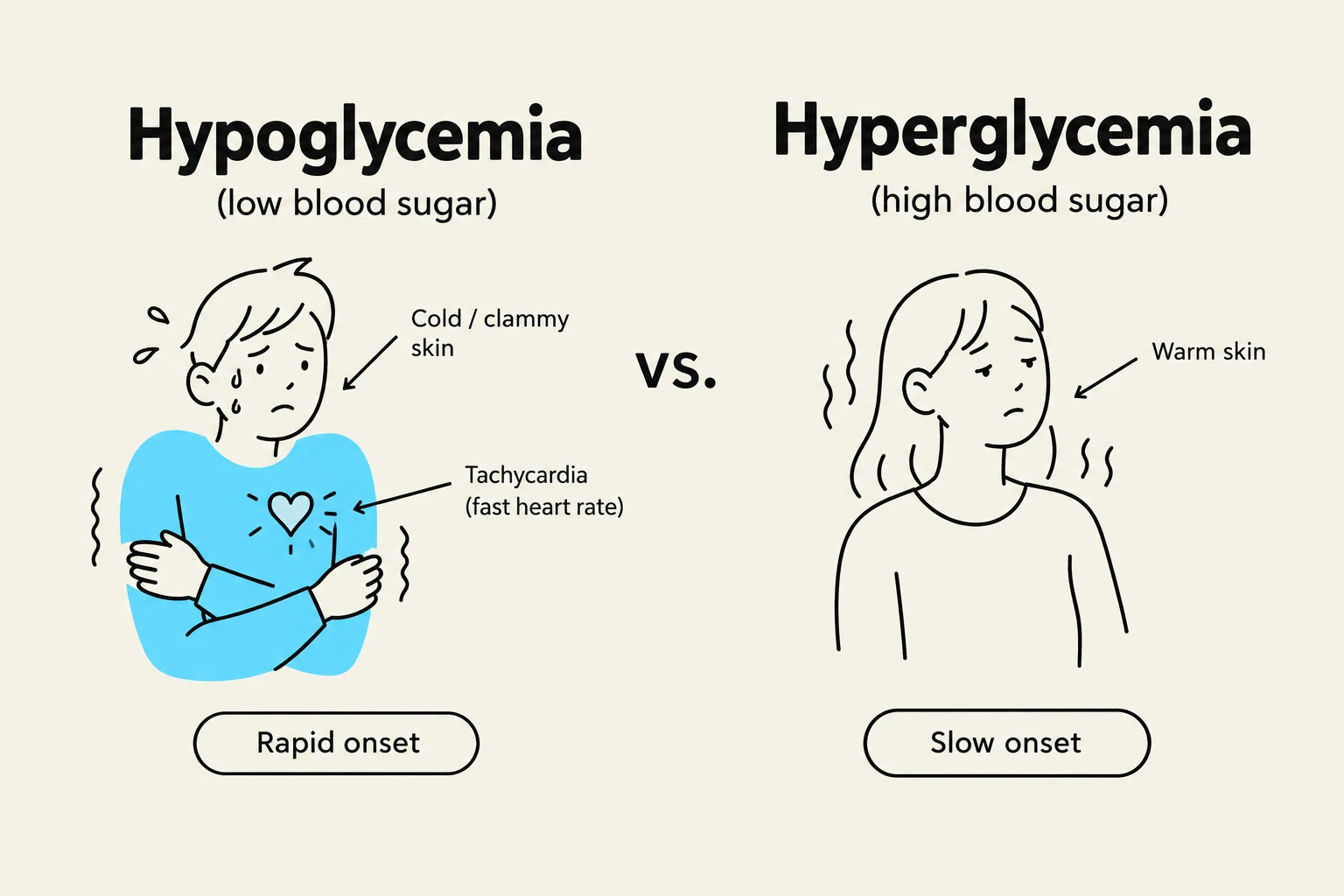
The hallmark sign of a diabetic emergency is an altered mental status. When assessing a patient with neurological changes, clinicians must be hyper-vigilant regarding:
- Airway and Breathing: Ensure the patient can maintain an open airway and is breathing adequately.
- Perfusion: Watch for indicators of inadequate perfusion (shock).
- Baseline Mental Status: Determine the patient's initial response using tools like the AVPU scale (Alert, Verbal, Pain, Unresponsive) or the Glasgow Coma Scale.
Clinical Tip: In pediatric patients, determining baseline mental status can be more difficult than in adults because children respond to questions and stimuli differently.
Keep reading for free.
Create an account to finish this reading and make it part of your study routine.
Continue reading freeAlready have an account? Log in
Updated